Figure 5
607 × 257px
· 83,4 ك.ب
Source Paper
Metabolic Derangement of Essential Transition Metals and Potential Antioxidant Therapies.Cite This Figure
 > Source: Adriana Fontes et al. "Metabolic Derangement of Essential Transition Metals and Potential Antioxidant T." *International journal of molecular sciences*, 2024. PMID: [39063122](https://pubmed.ncbi.nlm.nih.gov/39063122/)
<figure>
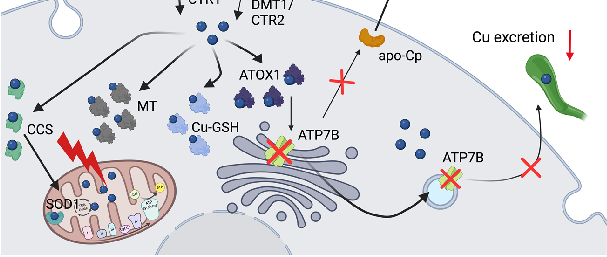
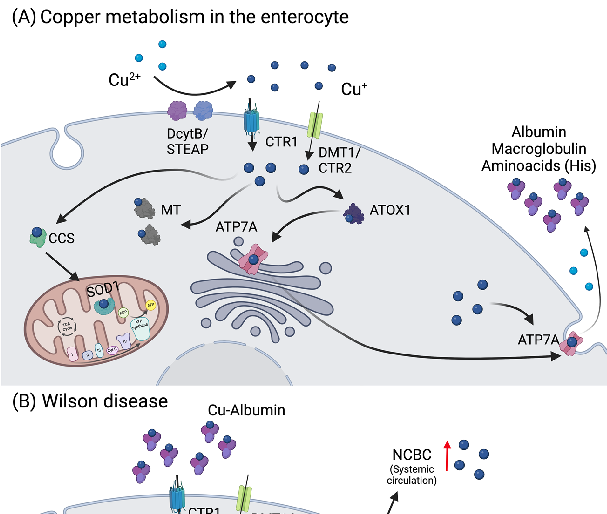
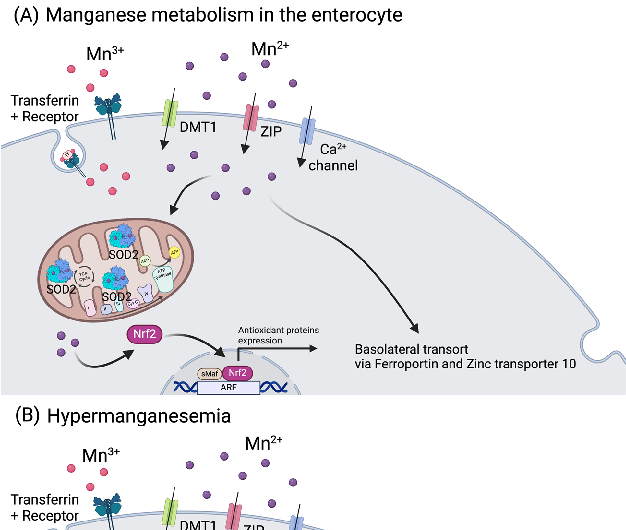
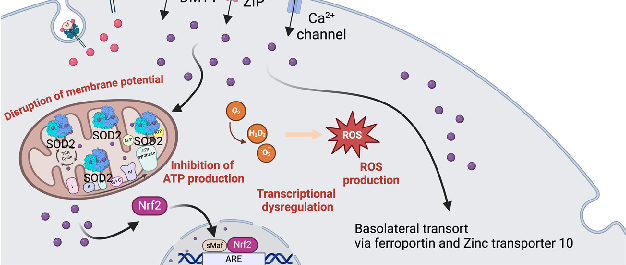
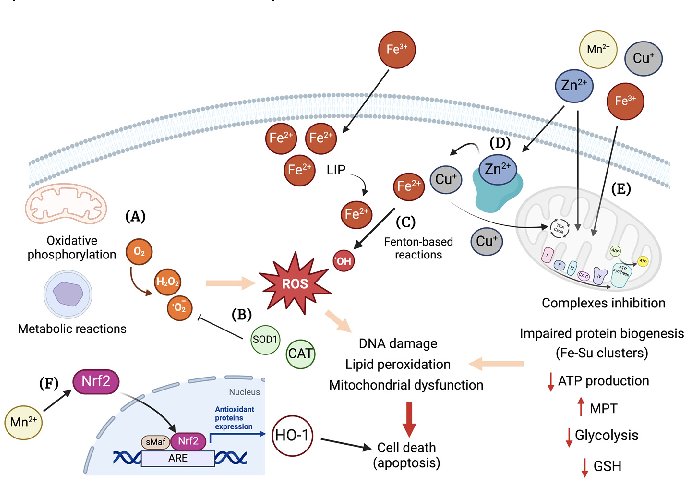
  <img src="https://pdfs.citedhealth.com/figures/39063122/138.png" alt="Figure 3. Copper metabolism in the enterocytes and Wilson disease. (A) Copper is reduced to Cu+ by STEAP or DcytB, and transported mainly via CTR1, but also by DMT1/CTR2. Thereupon," />
  <figcaption>Figure 5. Figure 3. Copper metabolism in the enterocytes and Wilson disease. (A) Copper is reduced to Cu+ by STEAP or DcytB, and transported mainly via CTR1, but also by DMT1/CTR2. Thereupon,<br>  Source: Adriana Fontes et al. "Metabolic Derangement of Essential Transition Metals and Potential Antioxidant T." <em>International journal of molecular sciences</em>, 2024. PMID: <a href="https://pubmed.ncbi.nlm.nih.gov/39063122/">39063122</a></figcaption>
</figure>