Lutein & Zeaxanthin Figure
17 figure da ricerca revisionata da esperti
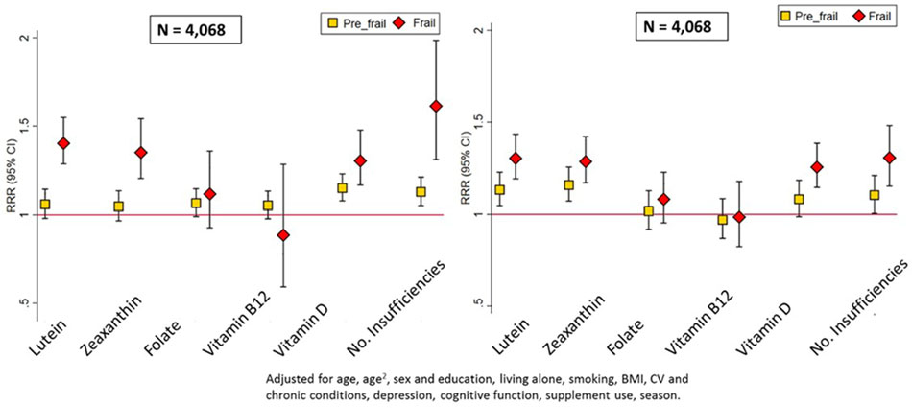
Sustaining an ageing population: the role of micronutrients in frailty and cognitive …
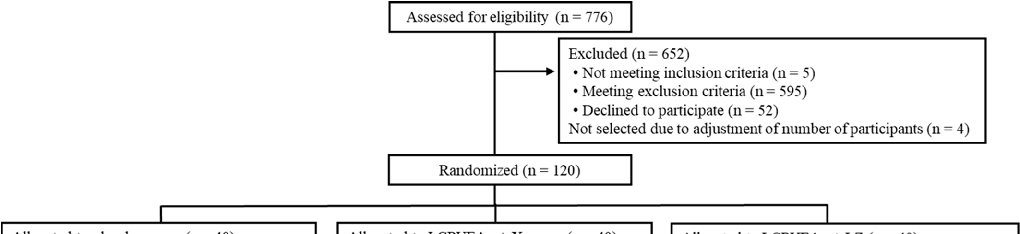
Blood levels of DHA, EPA, and arachidonic acid are tracked over the intervention period, confirming adherence and bioavailability of the fatty acid supplement.
Effects of Long-Chain Polyunsaturated Fatty Acids in Combination with Lutein and Zeaxanthin …
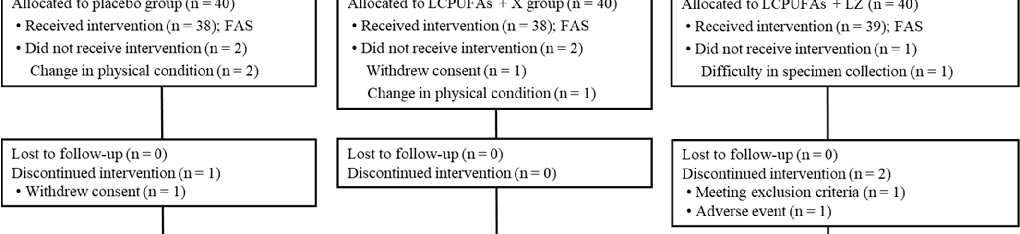
Plasma lutein and zeaxanthin concentrations are compared between treatment and control groups, demonstrating successful supplementation and absorption.
Effects of Long-Chain Polyunsaturated Fatty Acids in Combination with Lutein and Zeaxanthin …
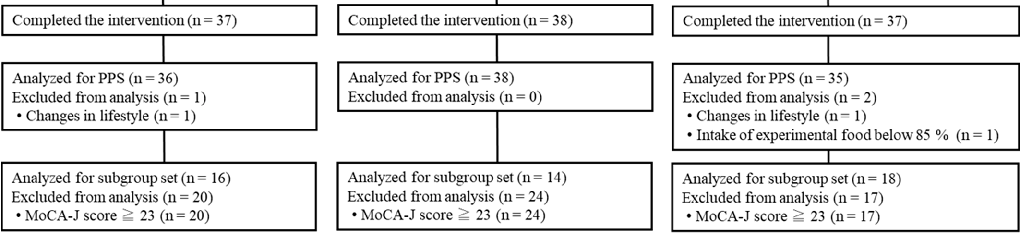
Macular pigment optical density measurements assess the accumulation of lutein and zeaxanthin in the retina following supplementation.
Effects of Long-Chain Polyunsaturated Fatty Acids in Combination with Lutein and Zeaxanthin …

Verbal memory test performance including word recall and recognition tasks is compared between supplementation and placebo groups.
Effects of Long-Chain Polyunsaturated Fatty Acids in Combination with Lutein and Zeaxanthin …

Visual memory and spatial recall scores are assessed following LCPUFA and lutein/zeaxanthin supplementation compared to placebo.
Effects of Long-Chain Polyunsaturated Fatty Acids in Combination with Lutein and Zeaxanthin …

Working memory and executive function task results are presented for both treatment arms, assessing broader cognitive effects of the combined supplementation.
Effects of Long-Chain Polyunsaturated Fatty Acids in Combination with Lutein and Zeaxanthin …

Processing speed assessments compare reaction time and cognitive throughput between the supplemented and placebo groups.
Effects of Long-Chain Polyunsaturated Fatty Acids in Combination with Lutein and Zeaxanthin …

Subgroup analyses stratify cognitive outcomes by baseline DHA status, revealing whether individuals with lower initial omega-3 levels benefit more from supplementation.
Effects of Long-Chain Polyunsaturated Fatty Acids in Combination with Lutein and Zeaxanthin …

Adverse event reporting and safety data demonstrate the tolerability of combined LCPUFA and carotenoid supplementation in older adults.
Effects of Long-Chain Polyunsaturated Fatty Acids in Combination with Lutein and Zeaxanthin …

Correlation analysis between blood fatty acid levels and episodic memory improvements explores dose-response relationships in the supplementation trial.
Effects of Long-Chain Polyunsaturated Fatty Acids in Combination with Lutein and Zeaxanthin …

Additional cognitive domain scores including attention and language fluency are compared between groups as secondary outcome measures.
Effects of Long-Chain Polyunsaturated Fatty Acids in Combination with Lutein and Zeaxanthin …
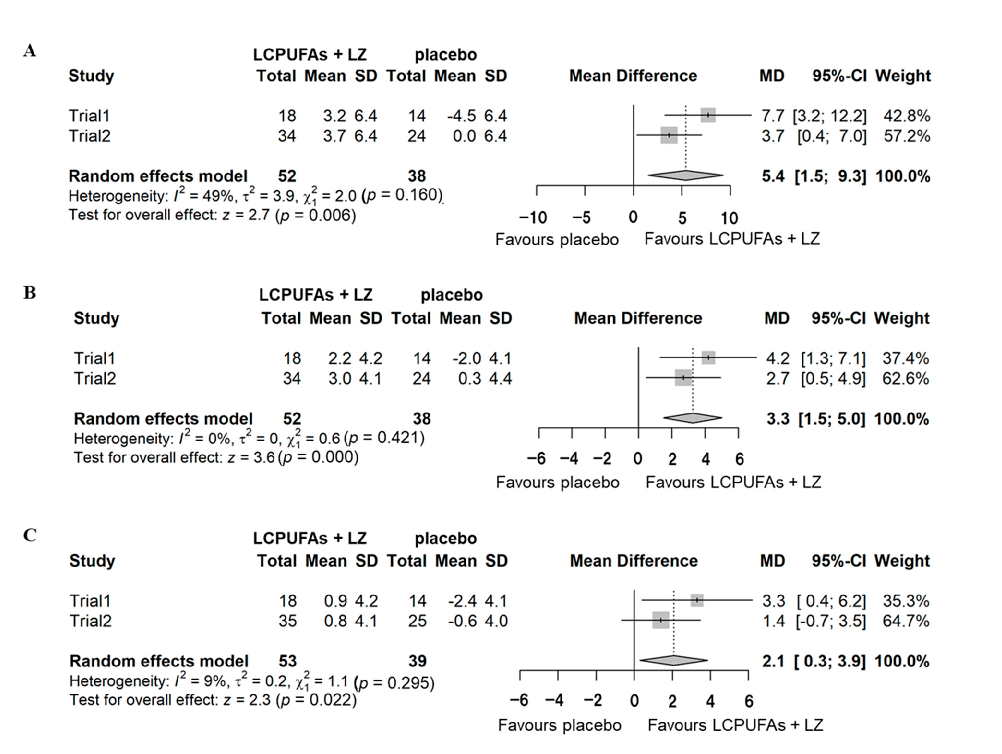
Combined analysis of episodic memory score changes in subgroups with low versus adequate baseline omega-3 status indicates differential treatment responses to LCPUFA supplementation with lutein and zeaxanthin.
Effects of Long-Chain Polyunsaturated Fatty Acids in Combination with Lutein and Zeaxanthin …
Introductory overview of the carotenoid compounds evaluated for neuroprotective effects in Alzheimer's disease. The review examines how these dietary pigments may counteract neurodegeneration through antioxidant and anti-inflammatory pathways.
Carotenoid Supplementation for Alleviating the Symptoms of Alzheimer's Disease.
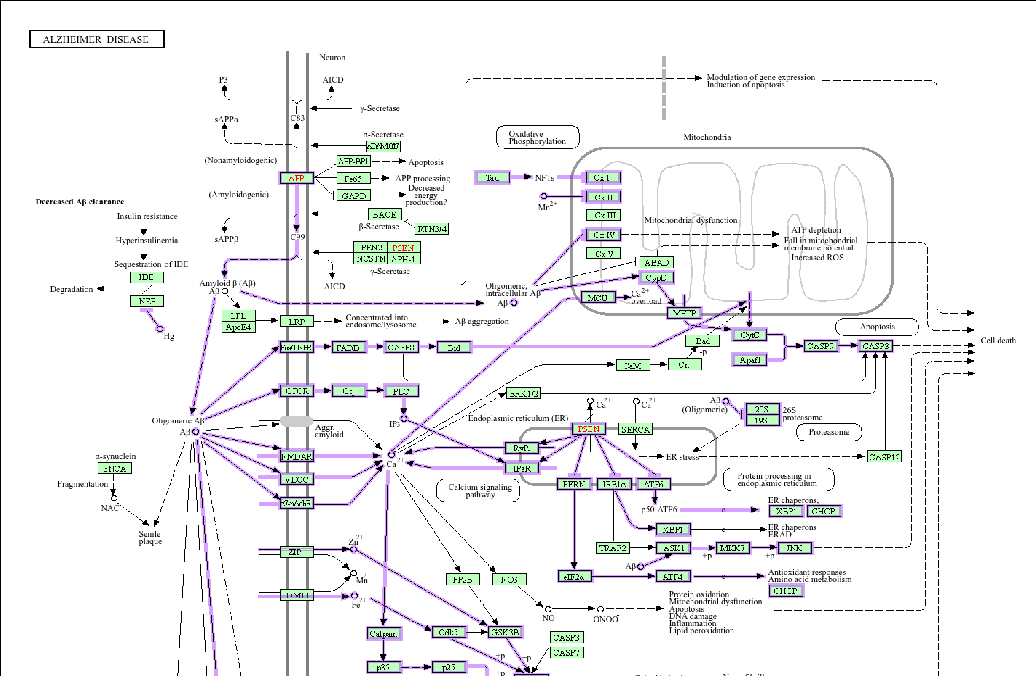
![Figure 1. Alzheimer’s disease KEGG pathway (hsa05010; Alzheimer disease—Homo sapiens (human)) generated online at https://www.genome.jp/kegg-bin/show_pathway?hsa05010, accessed on 8 March 2024) [115].](https://pdfs.citedhealth.com/figures/39201668/171.png)
KEGG pathway map (hsa05010) illustrating the molecular cascade involved in Alzheimer's disease pathogenesis in humans. The diagram highlights potential intervention points where carotenoid compounds may modulate amyloid-beta accumulation, tau phosphorylation, and neuroinflammatory signaling.
Carotenoid Supplementation for Alleviating the Symptoms of Alzheimer's Disease.
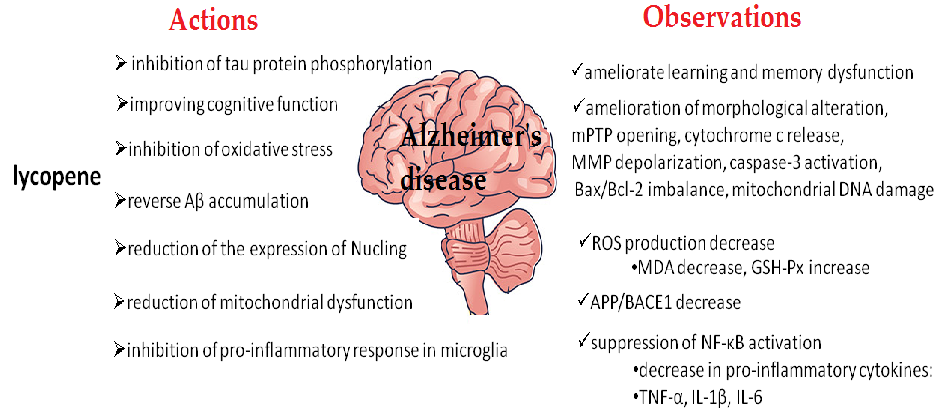
Evidence summary on the association between specific carotenoid compounds and Alzheimer's disease biomarkers. The data suggest that higher carotenoid status may be linked to reduced oxidative damage in neural tissues.
Carotenoid Supplementation for Alleviating the Symptoms of Alzheimer's Disease.
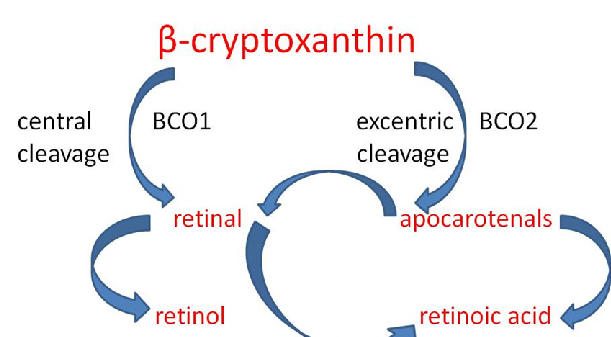
Alpha- and beta-cryptoxanthin serve as provitamin A sources due to their unsubstituted beta-ring structure. The review discusses their potential role in Alzheimer's disease prevention through both antioxidant activity and vitamin A metabolite production in neural tissue.
Carotenoid Supplementation for Alleviating the Symptoms of Alzheimer's Disease.