Vitamin E 図
14 査読済み研究からの図表
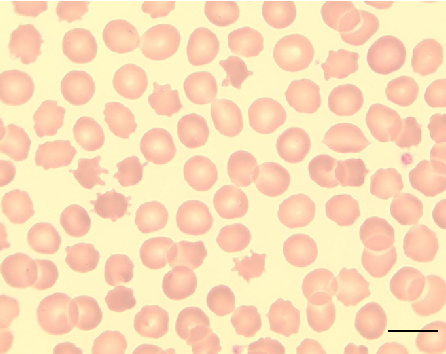
Peripheral blood smear from a patient with McLeod syndrome reveals acanthocytosis, characterized by irregularly spiculated red blood cells. May Gruenwald-Giemsa staining at 100x magnification (scale bar = 10 micrometers) highlights the distinctive thorny morphology of these erythrocytes.
Neuroacanthocytosis syndromes.
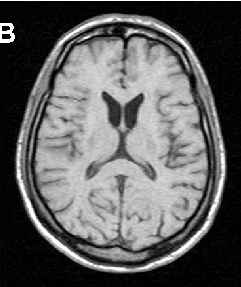
Brain imaging in neuroacanthocytosis typically reveals caudate nucleus atrophy and putaminal changes. This figure presents structural neuroimaging findings characteristic of advanced basal ganglia degeneration in NA patients.
Neuroacanthocytosis syndromes.
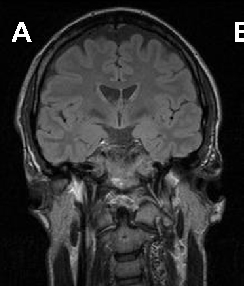
Brain imaging in neuroacanthocytosis typically reveals caudate nucleus atrophy and putaminal changes. This figure presents structural neuroimaging findings characteristic of advanced basal ganglia degeneration in NA patients.
Neuroacanthocytosis syndromes.
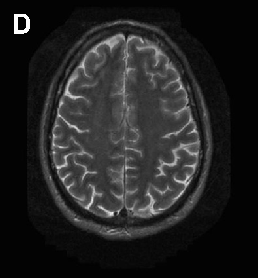
Brain imaging in neuroacanthocytosis typically reveals caudate nucleus atrophy and putaminal changes. This figure presents structural neuroimaging findings characteristic of advanced basal ganglia degeneration in NA patients.
Neuroacanthocytosis syndromes.
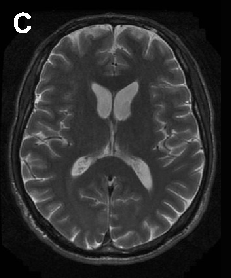
Neuroacanthocytosis encompasses multiple genetic subtypes with overlapping clinical features. This figure provides additional clinical, pathological, or molecular data supporting the differential diagnosis of these rare movement disorders.
Neuroacanthocytosis syndromes.
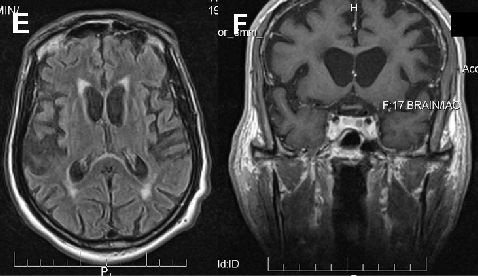
Neuroacanthocytosis encompasses multiple genetic subtypes with overlapping clinical features. This figure provides additional clinical, pathological, or molecular data supporting the differential diagnosis of these rare movement disorders.
Neuroacanthocytosis syndromes.
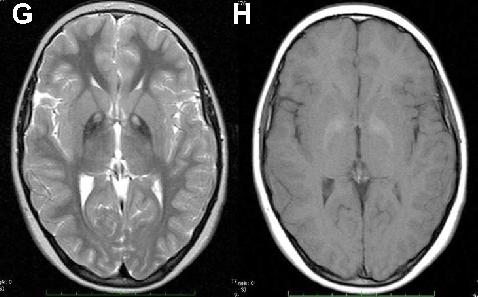
Neuroacanthocytosis encompasses multiple genetic subtypes with overlapping clinical features. This figure provides additional clinical, pathological, or molecular data supporting the differential diagnosis of these rare movement disorders.
Neuroacanthocytosis syndromes.
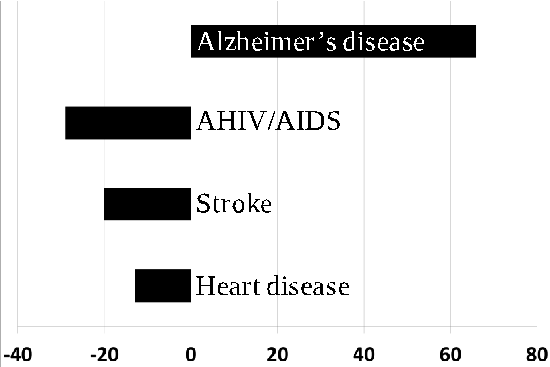
Mechanisms by which vitamin E may protect against cognitive decline during aging and in Alzheimer's disease are illustrated. As the brain is highly susceptible to oxidative stress, vitamin E's antioxidant properties are hypothesized to reduce free radical-mediated neuronal damage associated with neurodegeneration.
Effects of vitamin E on cognitive performance during ageing and in Alzheimer's …
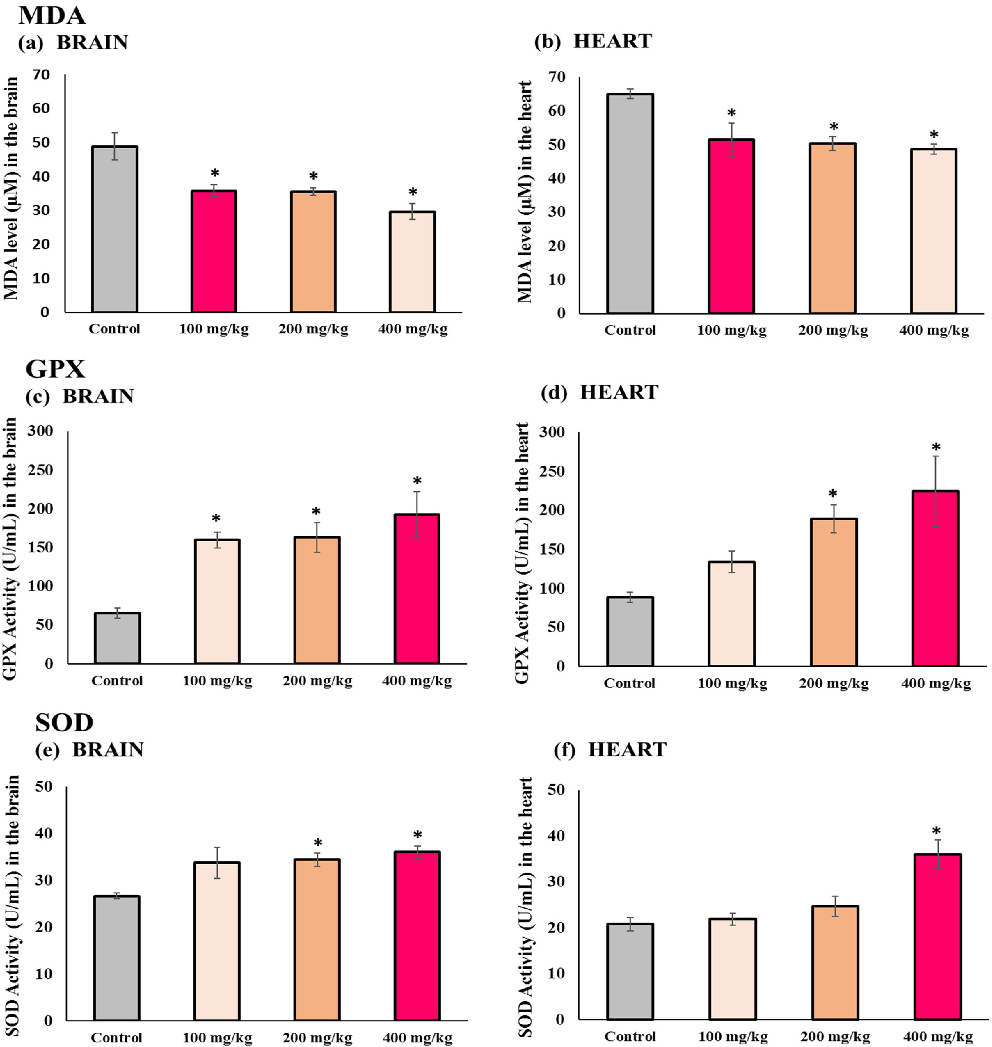
Oxidative stress biomarker measurements across vitamin E dosage groups in aged mice. The results indicate a dose-dependent reduction in oxidative damage markers, suggesting vitamin E supplementation may attenuate age-related oxidative stress.
The Impact of Vitamin E Supplementation on Oxidative Stress, Cognitive Functions, and …
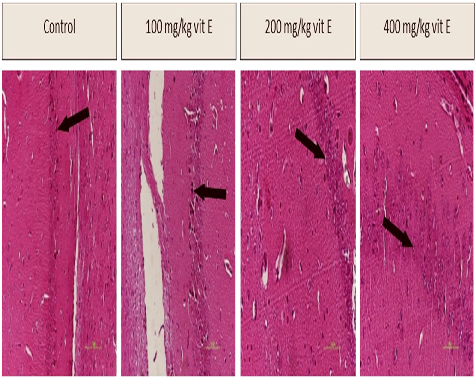
Cognitive function assessment results comparing aged mice receiving different vitamin E doses. Behavioral testing data suggest that vitamin E supplementation is associated with improved cognitive performance in a dose-dependent manner.
The Impact of Vitamin E Supplementation on Oxidative Stress, Cognitive Functions, and …
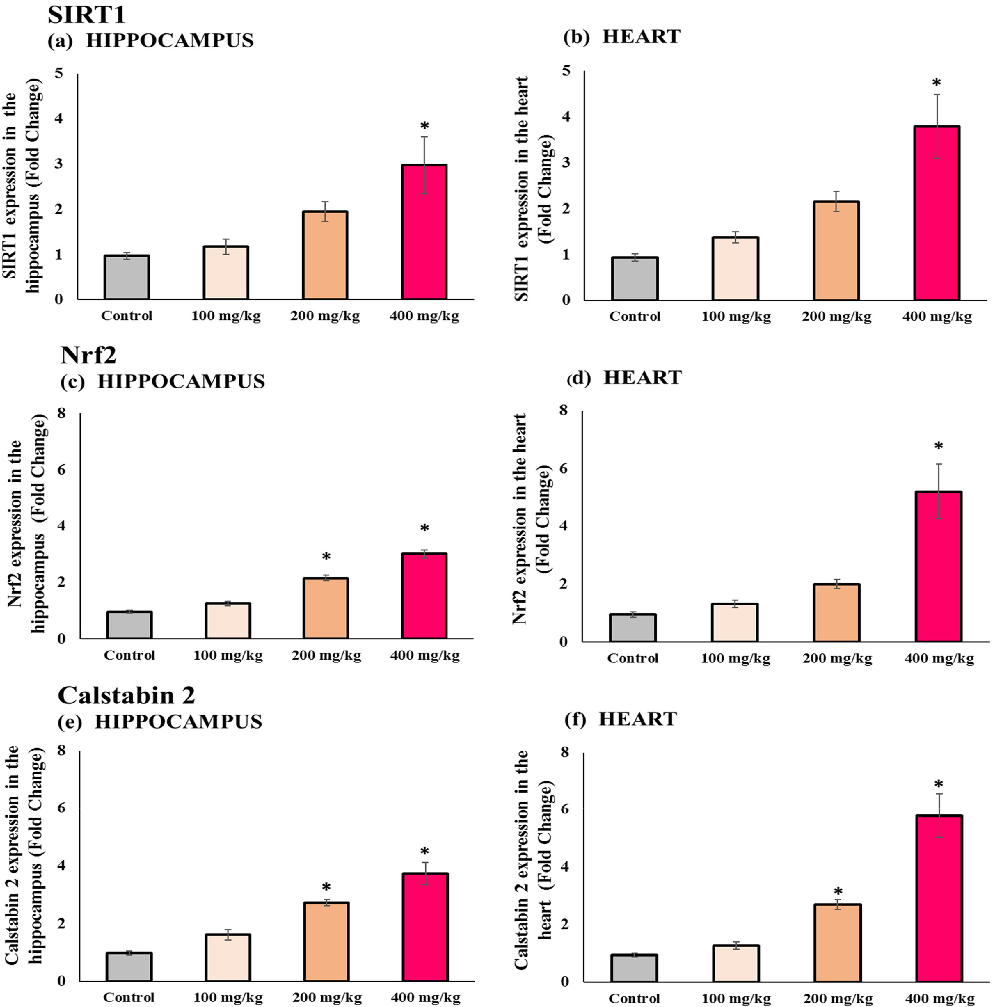
Gene expression analysis in aged mice treated with varying vitamin E doses, examining aging-related molecular pathways. The data reveal differential regulation of oxidative stress response genes across treatment groups.
The Impact of Vitamin E Supplementation on Oxidative Stress, Cognitive Functions, and …
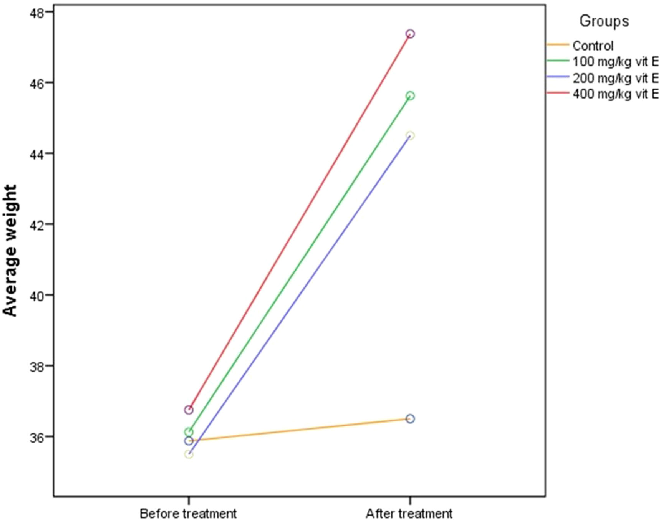
Additional molecular or behavioral endpoint data from the vitamin E dose-response study in aged mice. The comprehensive assessment supports a beneficial role for vitamin E in mitigating multiple aging-related phenotypes.
The Impact of Vitamin E Supplementation on Oxidative Stress, Cognitive Functions, and …
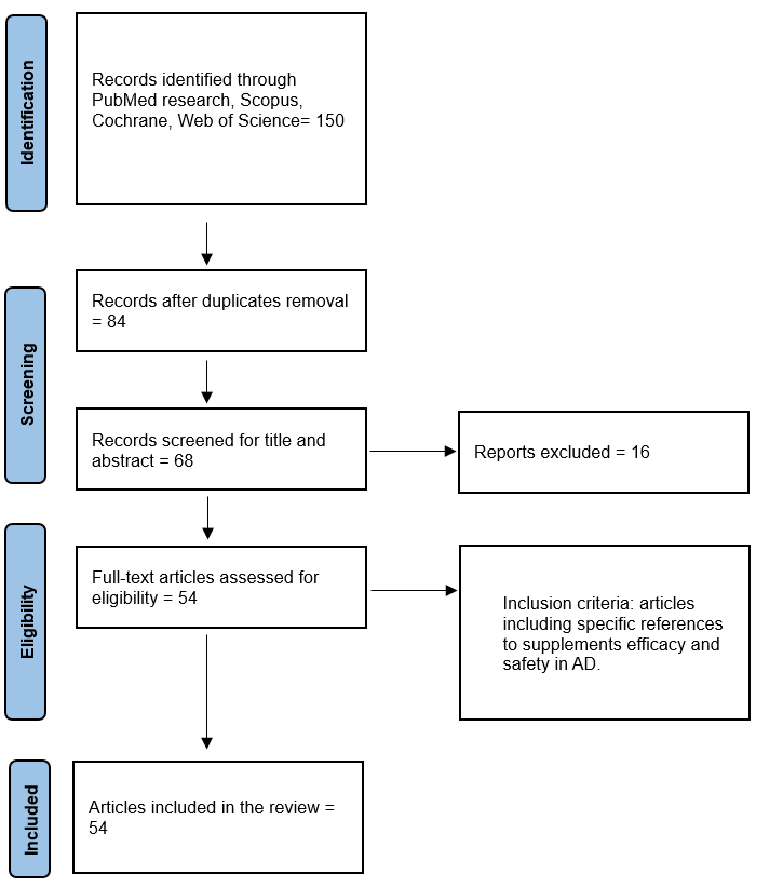
Figure 1. Flow-chart.
Exploring the Efficacy and Safety of Nutritional Supplements in Alzheimer's Disease.
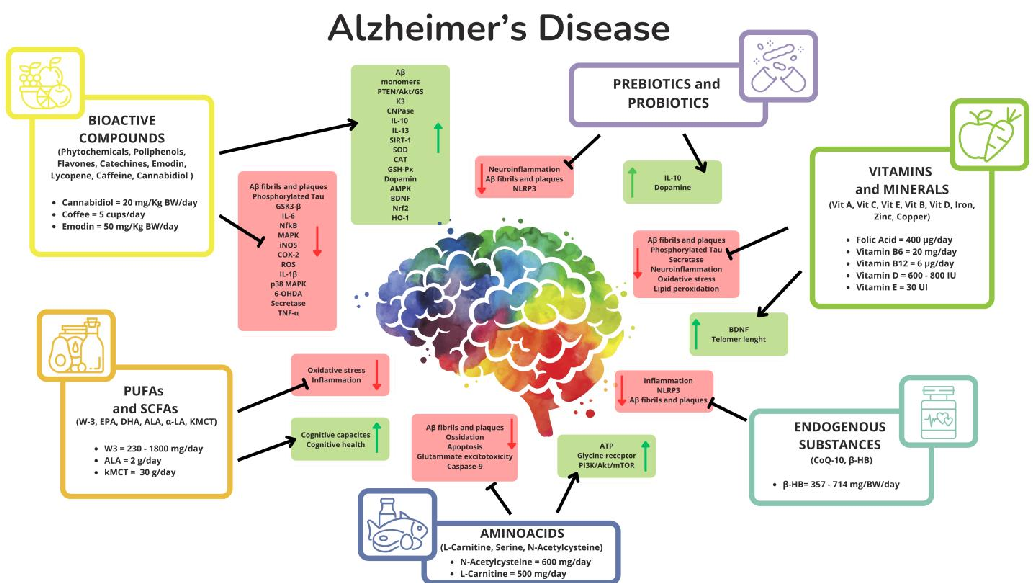
Exploring the Efficacy and Safety of Nutritional Supplements in Alzheimer's Disease.