설명
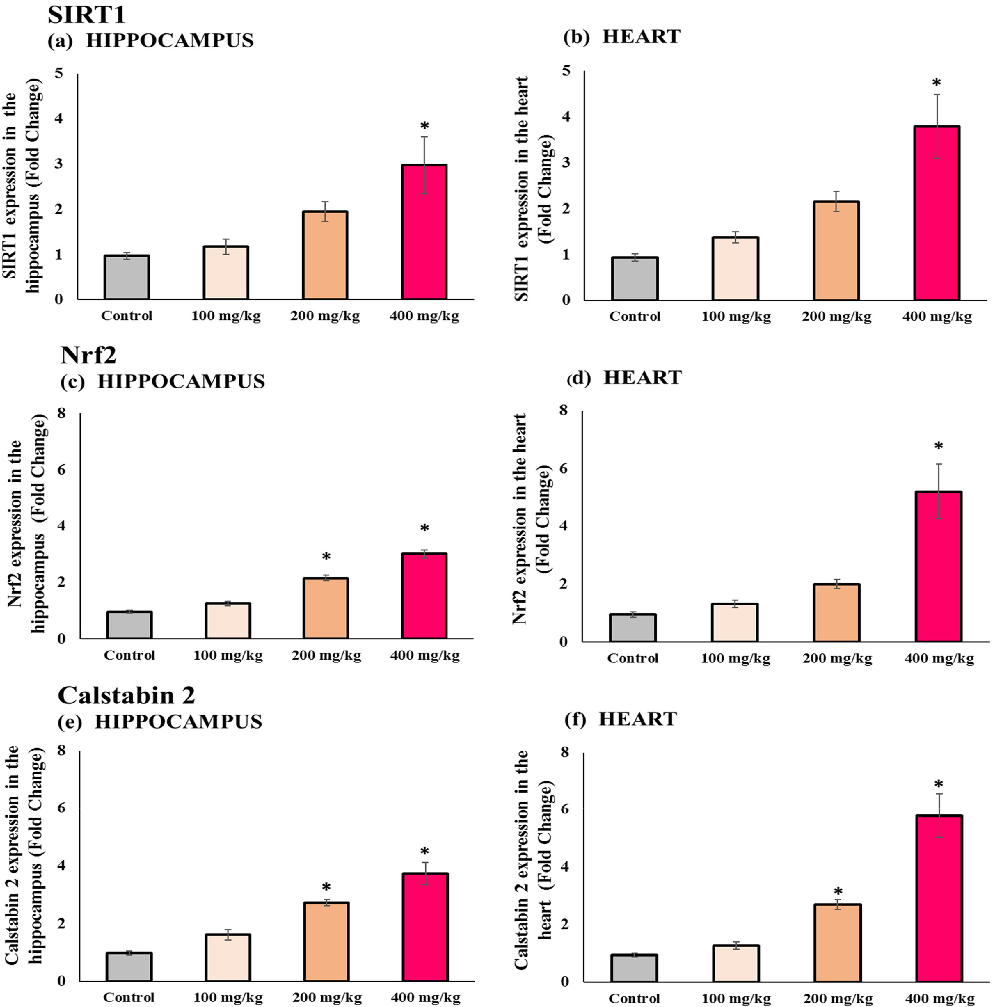
Gene expression analysis in aged mice treated with varying vitamin E doses, examining aging-related molecular pathways. The data reveal differential regulation of oxidative stress response genes across treatment groups.
More Figures from This Paper
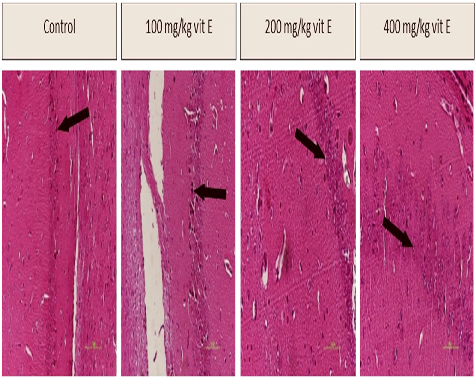
Figure 2
Oxidative stress biomarker measurements across vitamin E dosage groups in aged mice. The results indicate a dose-dependent reduction in oxidative damage markers, suggesting vitamin E supplementation may attenuate age-related oxidative stress.
chart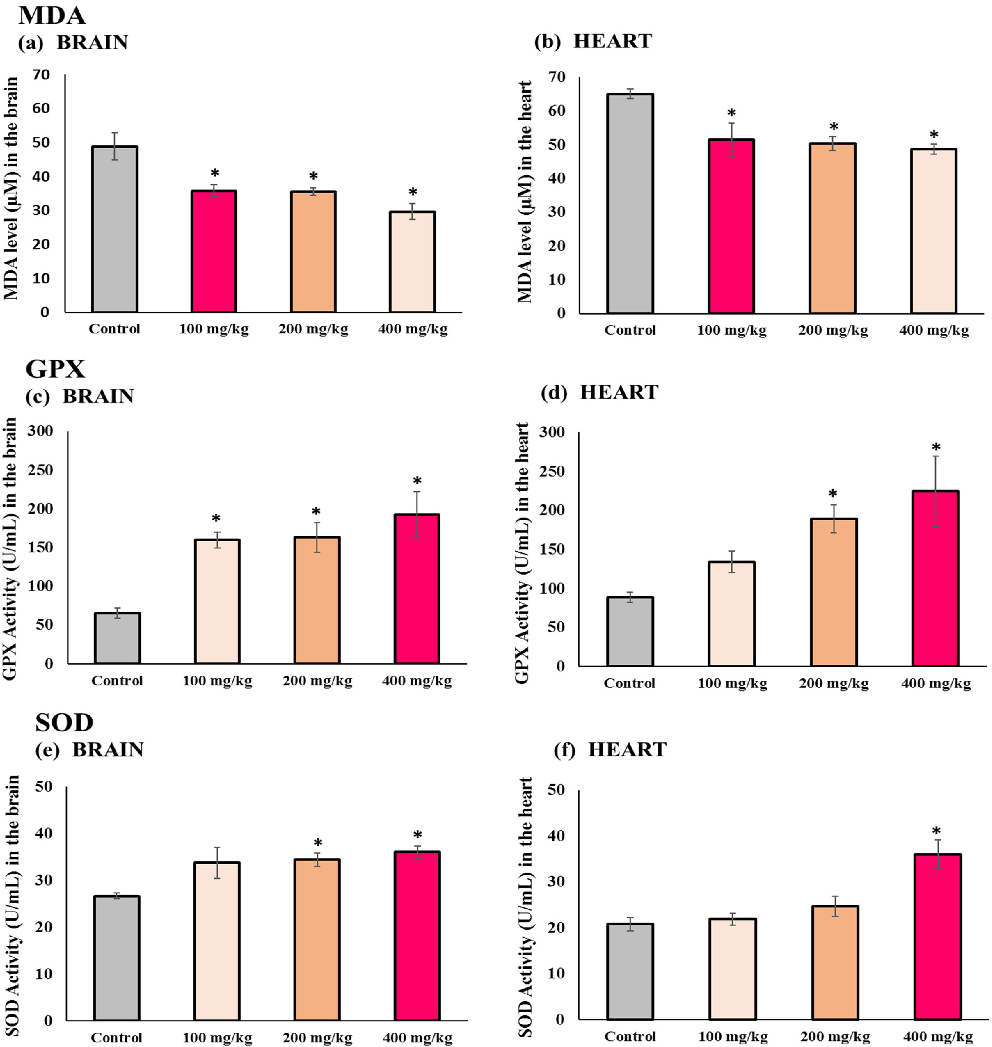
Figure 3
Cognitive function assessment results comparing aged mice receiving different vitamin E doses. Behavioral testing data suggest that vitamin E supplementation is associated with improved cognitive performance in a dose-dependent manner.
chart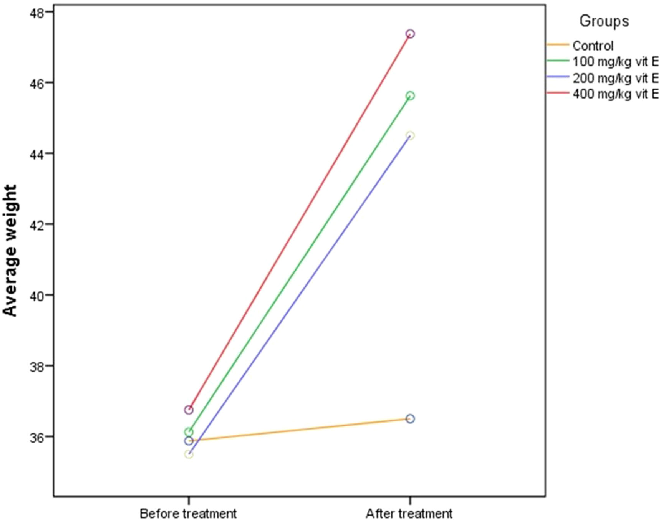
Figure 5
Additional molecular or behavioral endpoint data from the vitamin E dose-response study in aged mice. The comprehensive assessment supports a beneficial role for vitamin E in mitigating multiple aging-related phenotypes.
chartFigure 4
ChartSource Paper
The Impact of Vitamin E Supplementation on Oxidative Stress, Cognitive Functions, and Aging-Related Gene Expression in Aged Mice.Cite This Figure
 > Source: Farnoosh Molavi Vasei et al. "The Impact of Vitamin E Supplementation on Oxidative Stress, Cognitive Functions." *Food science & nutrition*, 2024. PMID: [39619965](https://pubmed.ncbi.nlm.nih.gov/39619965/)
<figure>
  <img src="https://pdfs.citedhealth.com/figures/39619965/153.png" alt="Gene expression analysis in aged mice treated with varying vitamin E doses, examining aging-related molecular pathways. The data reveal differential regulation of oxidative stress response genes across treatment groups." />
  <figcaption>Figure 4. Gene expression analysis in aged mice treated with varying vitamin E doses, examining aging-related molecular pathways. The data reveal differential regulation of oxidative stress response genes across treatment groups.<br>  Source: Farnoosh Molavi Vasei et al. "The Impact of Vitamin E Supplementation on Oxidative Stress, Cognitive Functions." <em>Food science & nutrition</em>, 2024. PMID: <a href="https://pubmed.ncbi.nlm.nih.gov/39619965/">39619965</a></figcaption>
</figure>