Açıklama
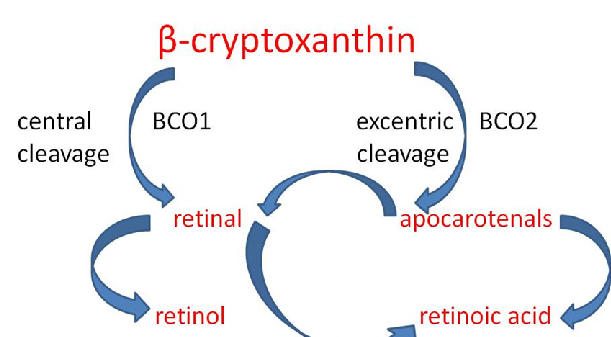
Alpha- and beta-cryptoxanthin serve as provitamin A sources due to their unsubstituted beta-ring structure. The review discusses their potential role in Alzheimer's disease prevention through both antioxidant activity and vitamin A metabolite production in neural tissue.
More Figures from This Paper
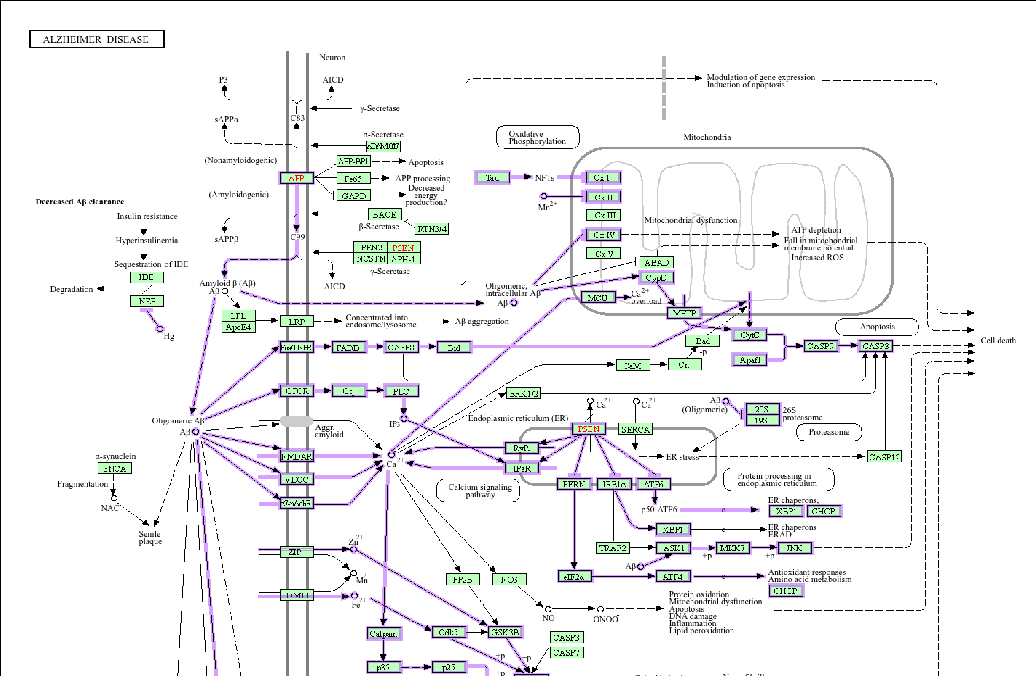
Figure 2
Introductory overview of the carotenoid compounds evaluated for neuroprotective effects in Alzheimer's disease. The review examines how these dietary pigments may counteract neurodegeneration through antioxidant and anti-inflammatory pathways.
diagram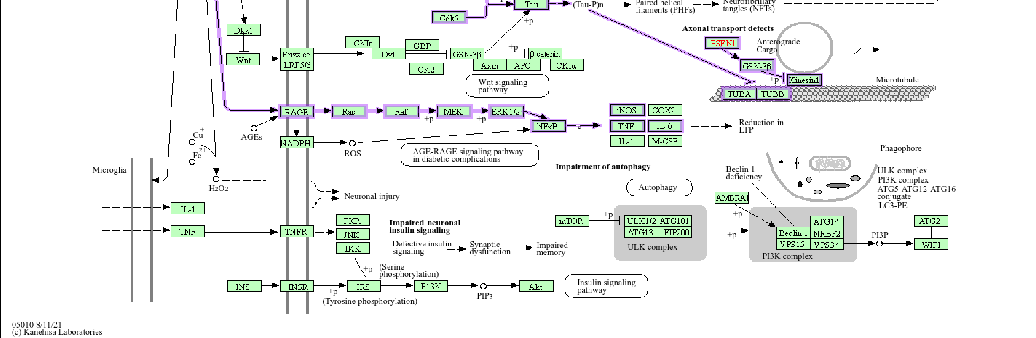
Figure 3
KEGG pathway map (hsa05010) illustrating the molecular cascade involved in Alzheimer's disease pathogenesis in humans. The diagram highlights potential intervention points where carotenoid compounds may modulate amyloid-beta accumulation, tau phosphorylation, and neuroinflammatory signaling.
diagram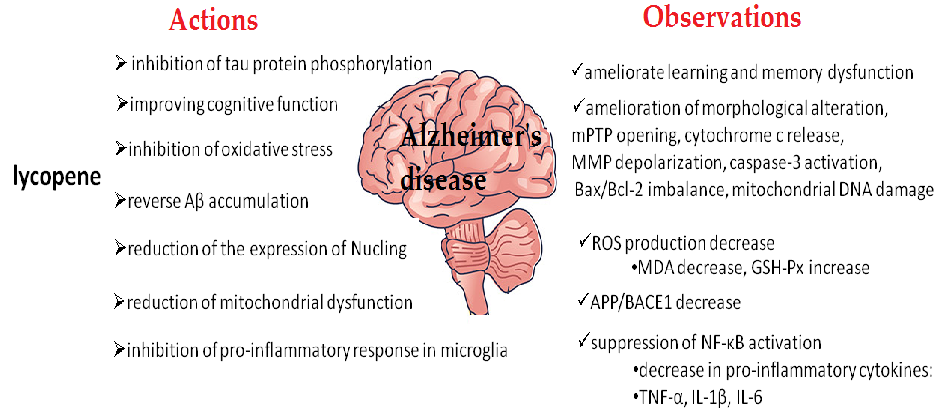
Figure 7
Evidence summary on the association between specific carotenoid compounds and Alzheimer's disease biomarkers. The data suggest that higher carotenoid status may be linked to reduced oxidative damage in neural tissues.
chartFigure 22
DiagramSource Paper
Carotenoid Supplementation for Alleviating the Symptoms of Alzheimer's Disease.Cite This Figure
 > Source: Jolanta Flieger et al. "Carotenoid Supplementation for Alleviating the Symptoms of Alzheimer's Disease.." *International journal of molecular sciences*, 2024. PMID: [39201668](https://pubmed.ncbi.nlm.nih.gov/39201668/)
<figure>
  <img src="https://pdfs.citedhealth.com/figures/39201668/499.png" alt="Alpha- and beta-cryptoxanthin serve as provitamin A sources due to their unsubstituted beta-ring structure. The review discusses their potential role in Alzheimer's disease prevention through both antioxidant activity and vitamin A metabolite production in neural tissue." />
  <figcaption>Figure 22. Alpha- and beta-cryptoxanthin serve as provitamin A sources due to their unsubstituted beta-ring structure. The review discusses their potential role in Alzheimer's disease prevention through both antioxidant activity and vitamin A metabolite production in neural tissue.<br>  Source: Jolanta Flieger et al. "Carotenoid Supplementation for Alleviating the Symptoms of Alzheimer's Disease.." <em>International journal of molecular sciences</em>, 2024. PMID: <a href="https://pubmed.ncbi.nlm.nih.gov/39201668/">39201668</a></figcaption>
</figure>