Omega-3 Fatty Acids (DHA/EPA) 図
115 査読済み研究からの図表
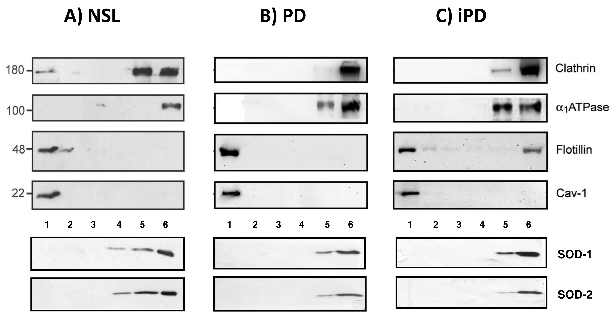
Western blot analyses of protein markers across density gradient fractions from control, Parkinson's disease, and incidental PD brain cortices reveal altered lipid raft protein distribution.
Severe alterations in lipid composition of frontal cortex lipid rafts from Parkinson's …
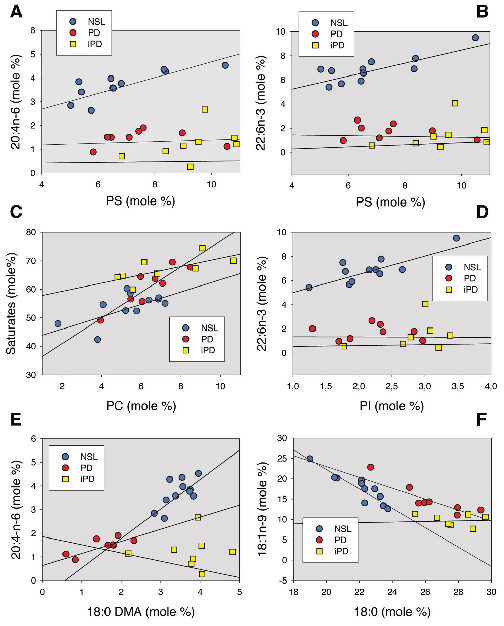
Lipid composition analyses comparing raft and non-raft fractions between control and Parkinson's disease frontal cortex samples show significant alterations in cholesterol and sphingolipid content.
Severe alterations in lipid composition of frontal cortex lipid rafts from Parkinson's …
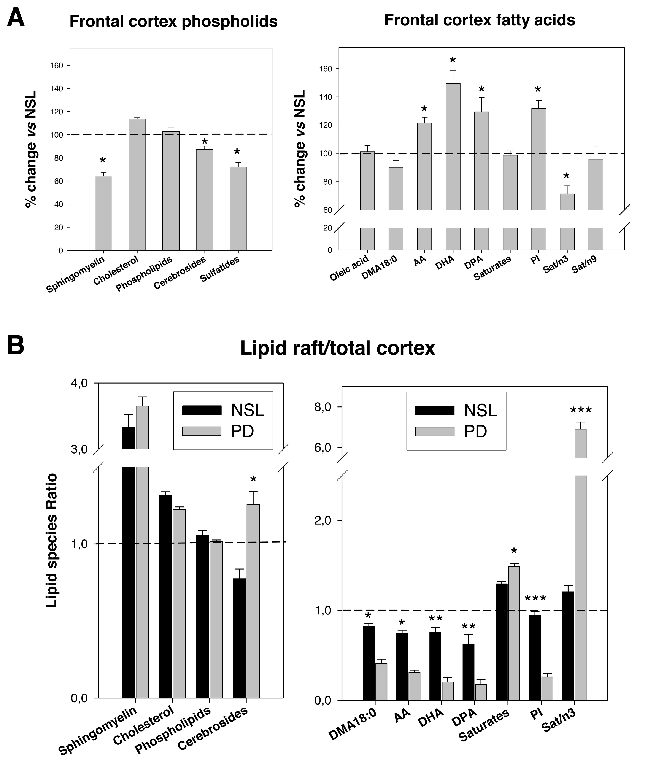
Comparative analyses of main lipid classes and fatty acid content between control and PD frontal cortex gray matter reveal disease-associated shifts in polyunsaturated fatty acid profiles and raft lipid indices.
Severe alterations in lipid composition of frontal cortex lipid rafts from Parkinson's …
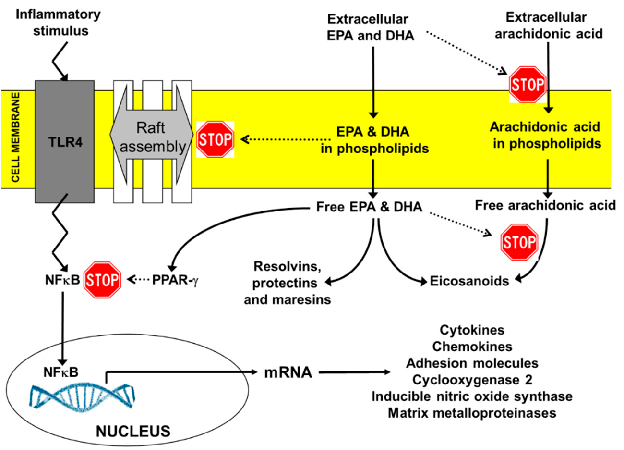
Key anti-inflammatory actions of EPA and DHA include suppression of NF-kB activation, reduction of pro-inflammatory eicosanoid production, inhibition of NLRP3 inflammasome activation, and promotion of regulatory T-cell differentiation through PPAR-gamma signaling.
Expert Opinion on Benefits of Long-Chain Omega-3 Fatty Acids (DHA and EPA) …
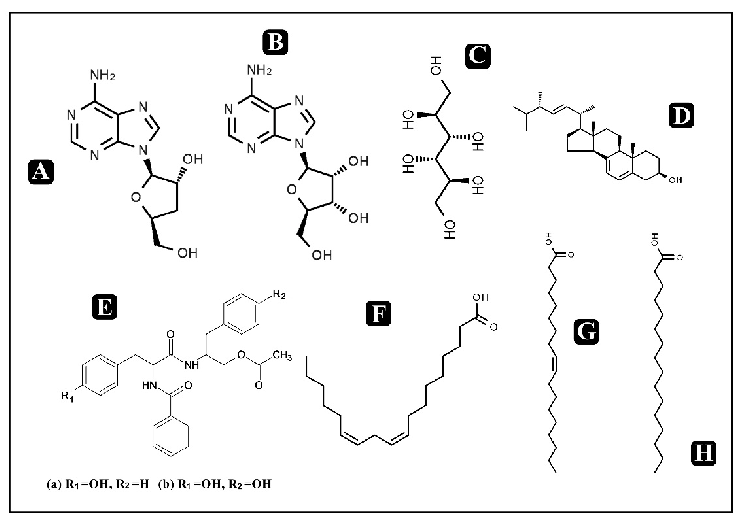
Neuroprotective and anti-fatigue properties of cordycepin have been demonstrated in preclinical models. This figure highlights cordycepin's potential benefits for neurological health and physical performance.
Cordycepin for Health and Wellbeing: A Potent Bioactive Metabolite of an Entomopathogenic …
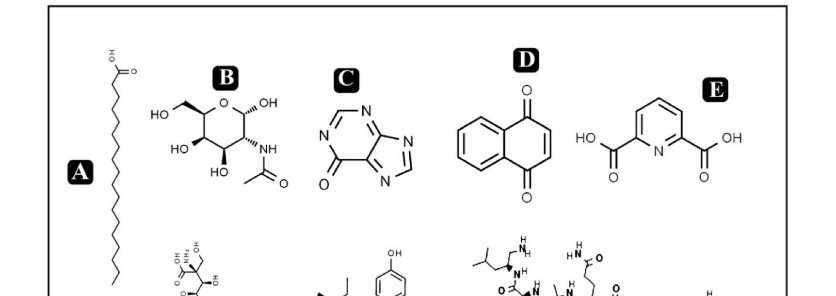
Cordycepin modulates immune responses through effects on macrophage activation and cytokine production. This figure presents immunomodulatory data from in vitro and in vivo studies of cordycepin treatment.
Cordycepin for Health and Wellbeing: A Potent Bioactive Metabolite of an Entomopathogenic …
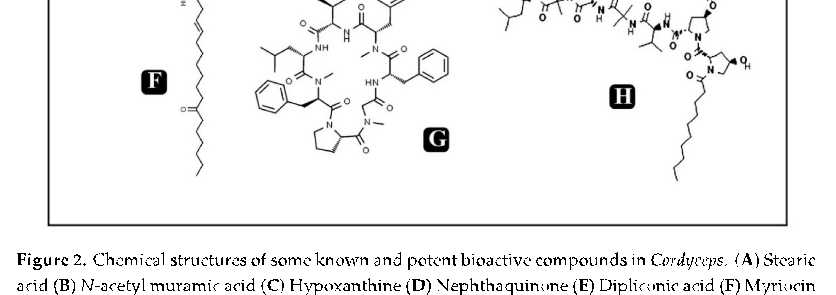
Anti-microbial and anti-viral activities of cordycepin complement its anti-inflammatory properties. This figure summarizes evidence for cordycepin's broad-spectrum antimicrobial potential.
Cordycepin for Health and Wellbeing: A Potent Bioactive Metabolite of an Entomopathogenic …
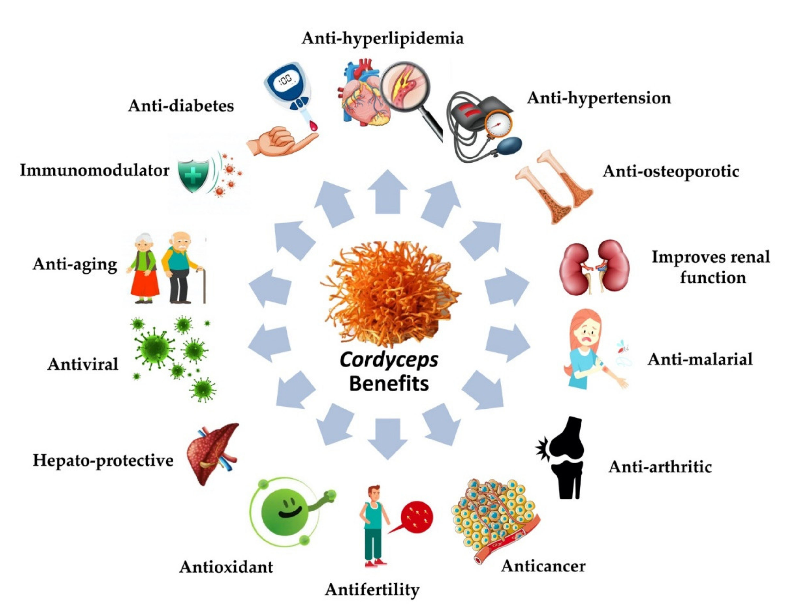
Cordyceps-derived products are available globally as nutraceutical supplements. This figure combines a pictorial representation of Cordyceps' therapeutic potential with a table of commercially available nutraceutical formulations.
Cordycepin for Health and Wellbeing: A Potent Bioactive Metabolite of an Entomopathogenic …

Preclinical evidence supports cordycepin's hepatoprotective and nephroprotective properties. This figure presents data on cordycepin's organ-protective effects in various disease models.
Cordycepin for Health and Wellbeing: A Potent Bioactive Metabolite of an Entomopathogenic …
![Figure 4. (A) Possible mechanism of cordycepin for its anti-diabetic activity (B) Possible mechanism of cordycepin in regulation of fat metabolism in hyperlipidemia [47].](https://pdfs.citedhealth.com/figures/32545666/197.png)
Cordycepin may exert anti-diabetic effects through regulation of glucose metabolism and insulin sensitivity. Panel A illustrates the proposed mechanism for anti-diabetic activity, while Panel B depicts cordycepin's role in fat metabolism regulation in hyperlipidemia.
Cordycepin for Health and Wellbeing: A Potent Bioactive Metabolite of an Entomopathogenic …
![Figure 5. Expected global nutraceutical market by 2025 with China, India, Tibet and Nepal as global leaders for production and extraction of cordycepin [144].](https://pdfs.citedhealth.com/figures/32545666/223.png)
Global demand for Cordyceps-based nutraceuticals is concentrated in China, India, Tibet, and Nepal. This figure projects the expected nutraceutical market growth, with these regions positioned as global leaders in cordycepin production and extraction.
Cordycepin for Health and Wellbeing: A Potent Bioactive Metabolite of an Entomopathogenic …
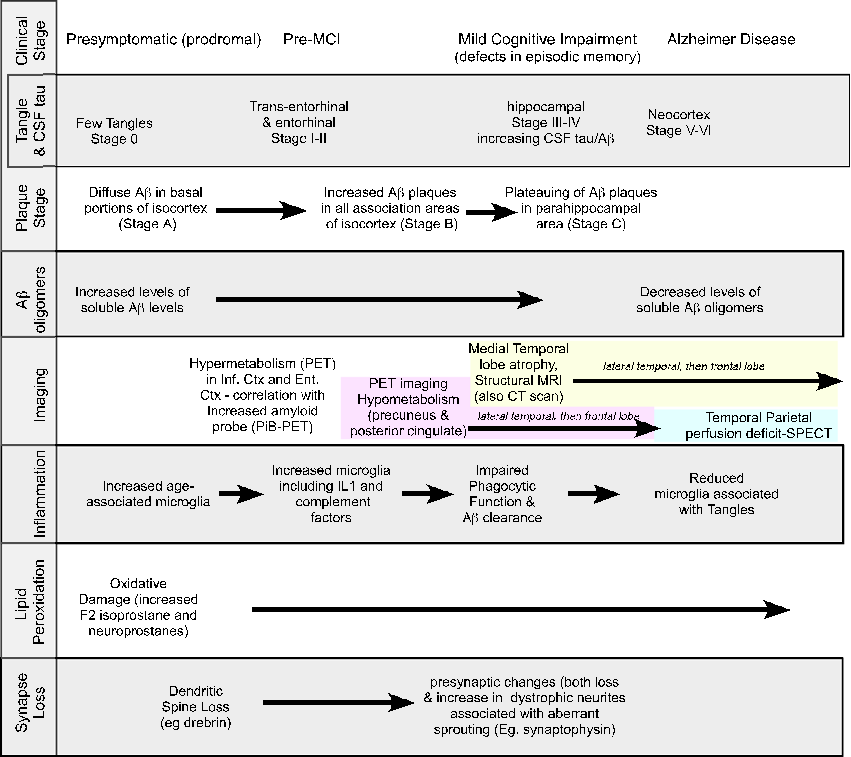
Alzheimer's disease involves a complex pathological cascade initially triggered by amyloid-beta accumulation or aberrant APP processing. This figure argues for pleiotropic interventions that simultaneously target multiple pathological mechanisms rather than single molecular targets.
Why pleiotropic interventions are needed for Alzheimer's disease.
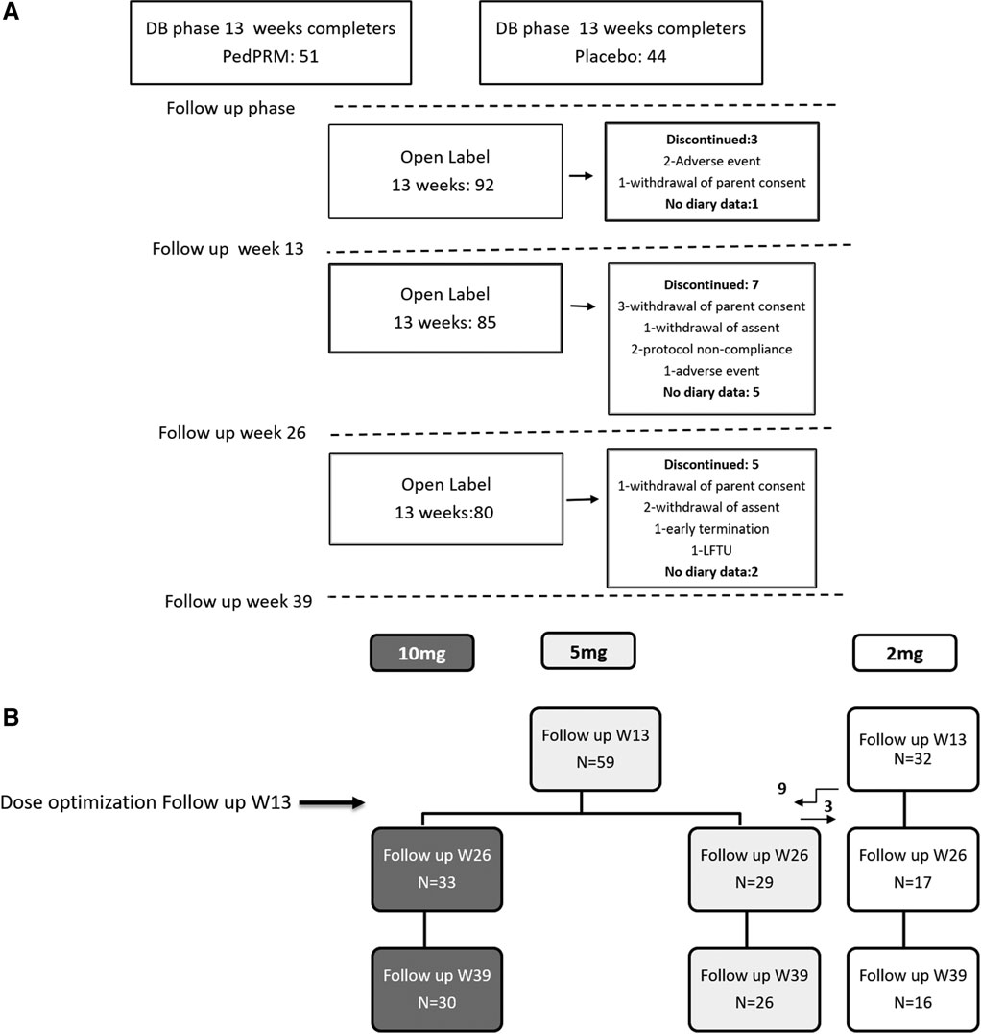
Study enrollment and participant flow for a long-term follow-up trial of prolonged-release melatonin (PedPRM) in children and adolescents with autism spectrum disorder and insomnia. The diagram tracks participants through screening, treatment phases, and follow-up periods.
Long-Term Efficacy and Safety of Pediatric Prolonged-Release Melatonin for Insomnia in Children …
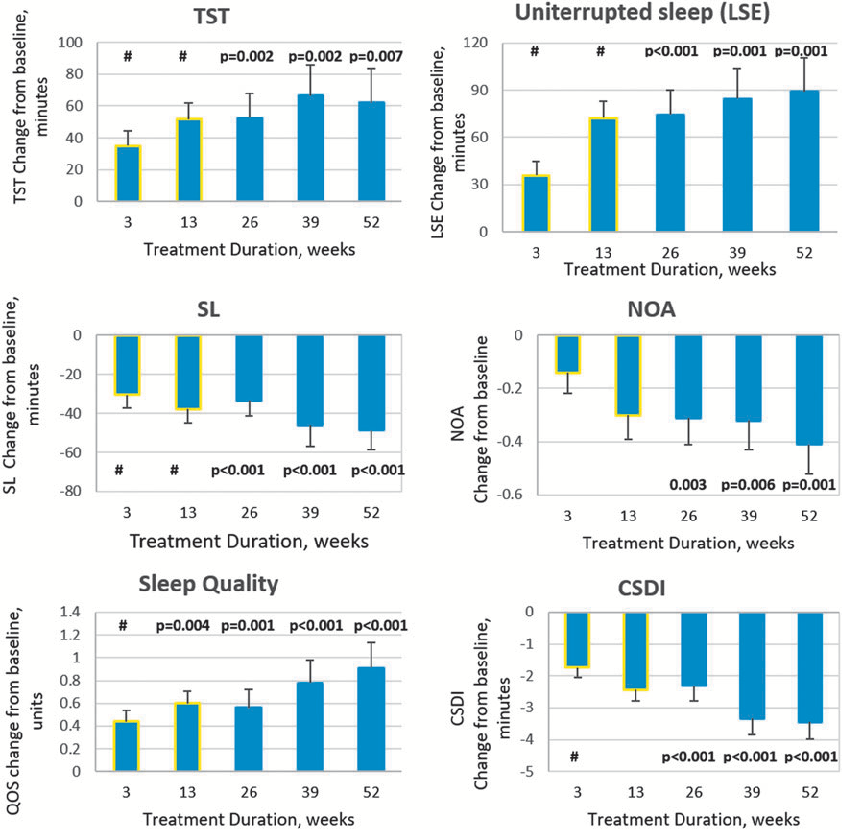
Efficacy outcomes showing changes in sleep parameters over the extended treatment period with pediatric prolonged-release melatonin in children with ASD. Long-term data indicate sustained improvements in sleep onset latency and total sleep time.
Long-Term Efficacy and Safety of Pediatric Prolonged-Release Melatonin for Insomnia in Children …
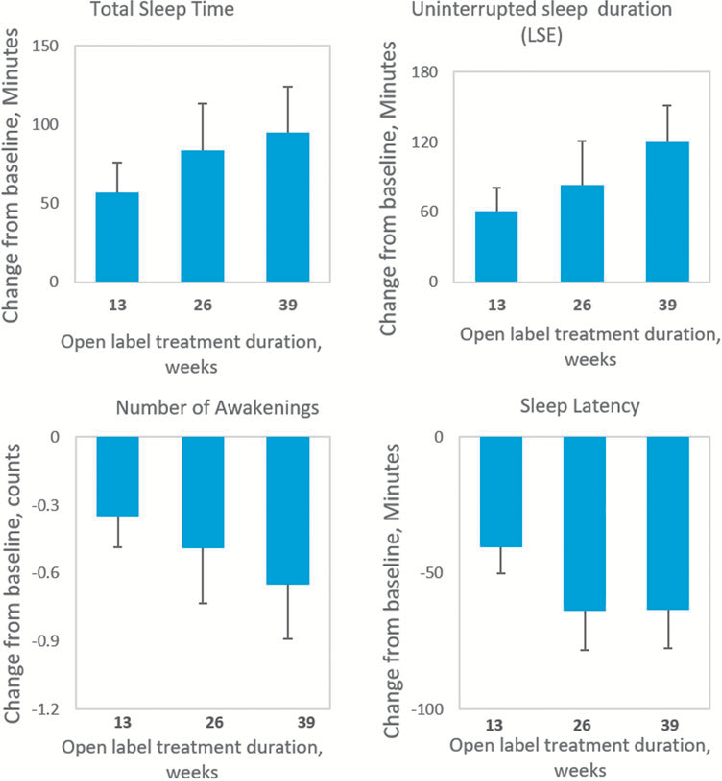
Safety assessment data from the open-label extension of PedPRM treatment in pediatric patients with autism spectrum disorder. Adverse event profiles suggest the prolonged-release melatonin formulation maintained an acceptable safety profile over the extended study period.
Long-Term Efficacy and Safety of Pediatric Prolonged-Release Melatonin for Insomnia in Children …
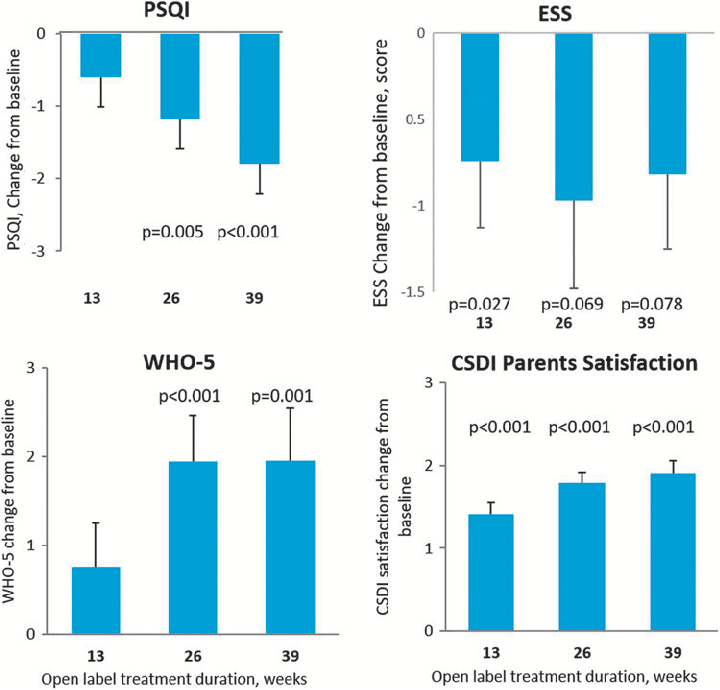
Summary of sleep quality measures or caregiver-reported outcomes during long-term PedPRM administration in children with ASD and comorbid insomnia. Results suggest continued therapeutic benefit with nightly melatonin use.
Long-Term Efficacy and Safety of Pediatric Prolonged-Release Melatonin for Insomnia in Children …
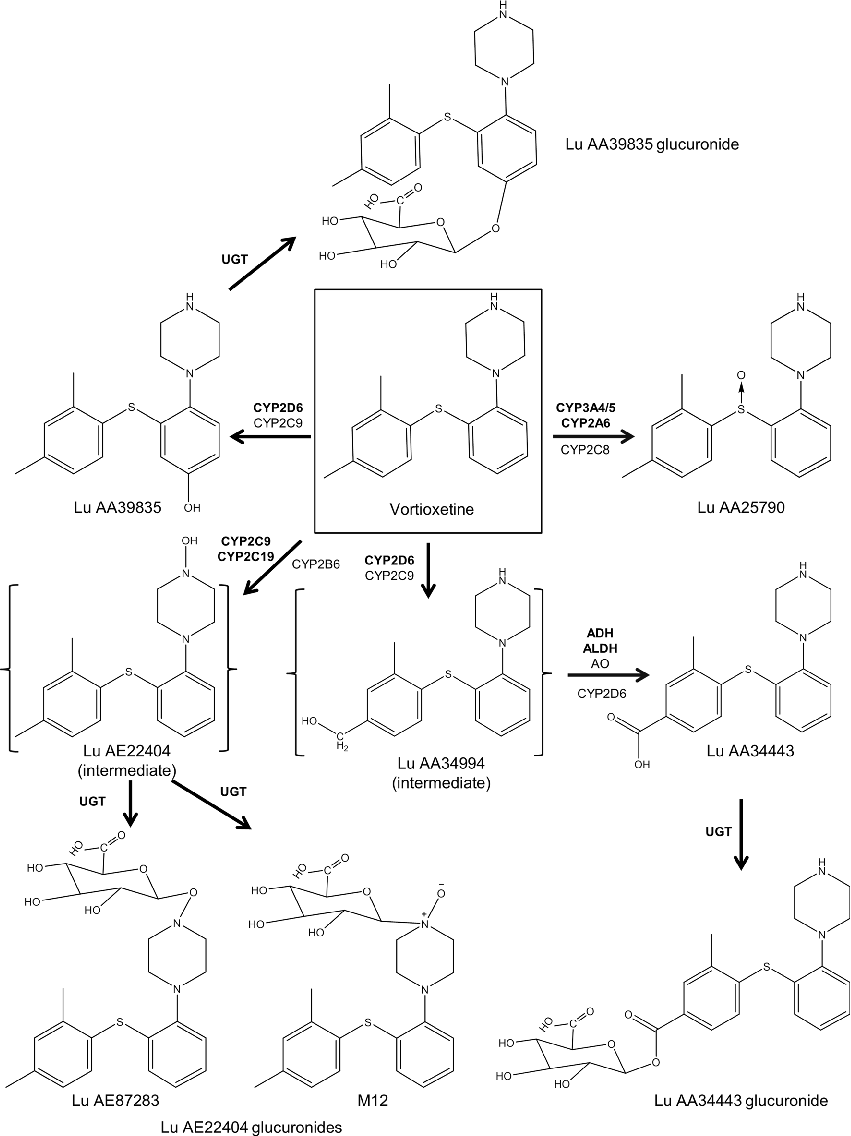
Comprehensive drug interaction summary for vortioxetine, including effects on and by concomitant medications. Clinicians are advised to consider CYP2D6 inhibitor status when prescribing vortioxetine.
Vortioxetine: Clinical Pharmacokinetics and Drug Interactions.
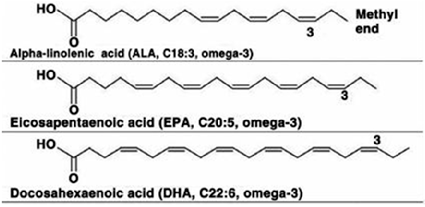
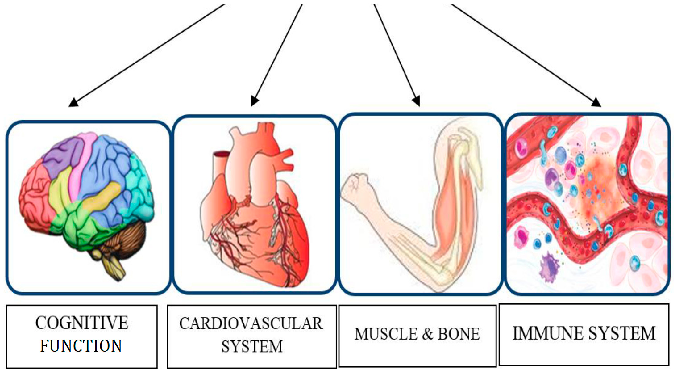
Target organs and physiological functions modulated by omega-3 polyunsaturated fatty acids in older adults are mapped, illustrating the widespread systemic benefits of EPA and DHA supplementation across cardiovascular, neurological, and musculoskeletal systems.
The role for dietary omega-3 fatty acids supplementation in older adults.
Evidence supporting omega-3 fatty acid supplementation in elderly populations is summarized, highlighting the role of DHA and EPA in maintaining cognitive function and reducing age-related inflammatory processes.
The role for dietary omega-3 fatty acids supplementation in older adults.
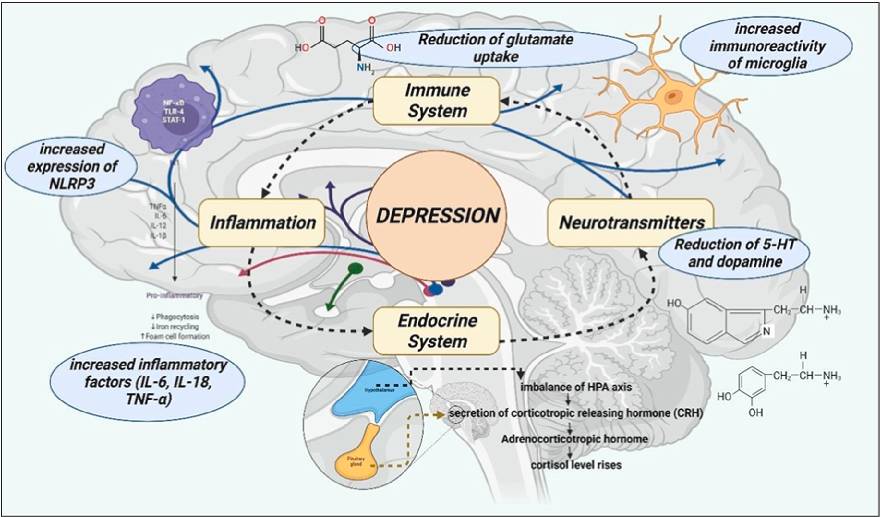
Brain insulin resistance mechanisms underlying depression are depicted, showing how HPA axis dysregulation, reduced anterior cingulate cortex volume, and impaired hippocampal function contribute to the condition.
A review on linking stress, depression, and insulin resistance via low-grade chronic …
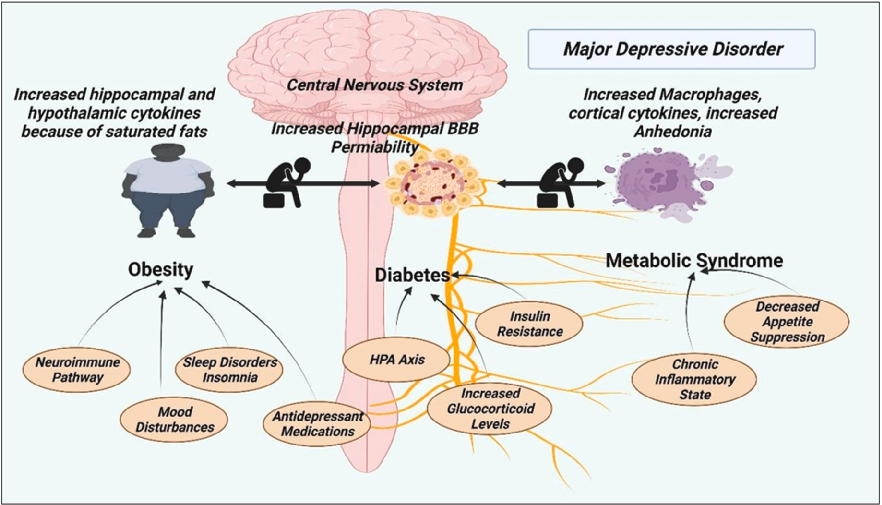
Obesity, diabetes, and metabolic syndrome are illustrated as metabolic diseases that commonly coexist with depression, highlighting their shared pathophysiological mechanisms through chronic low-grade inflammation.
A review on linking stress, depression, and insulin resistance via low-grade chronic …
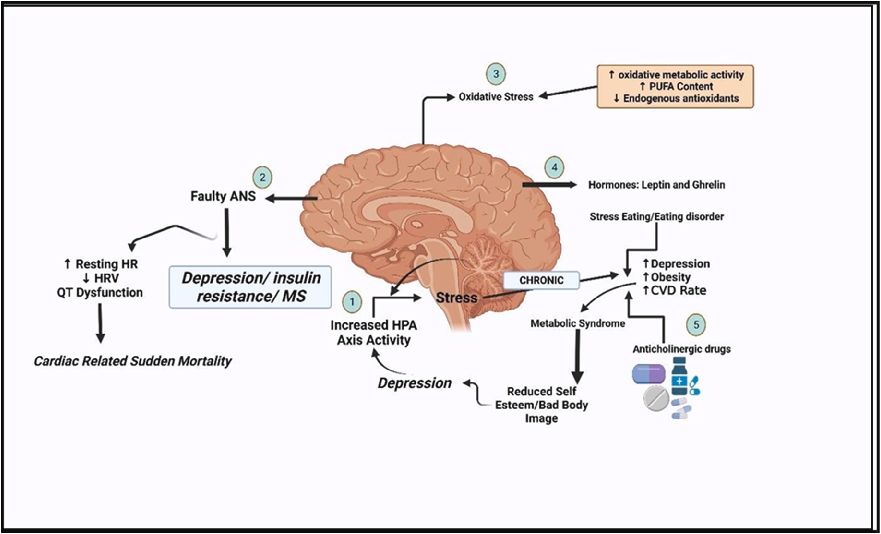
Molecular pathways connecting stress-induced inflammation to insulin resistance are detailed, tracing how inflammatory signaling cascades impair insulin receptor substrate phosphorylation.
A review on linking stress, depression, and insulin resistance via low-grade chronic …
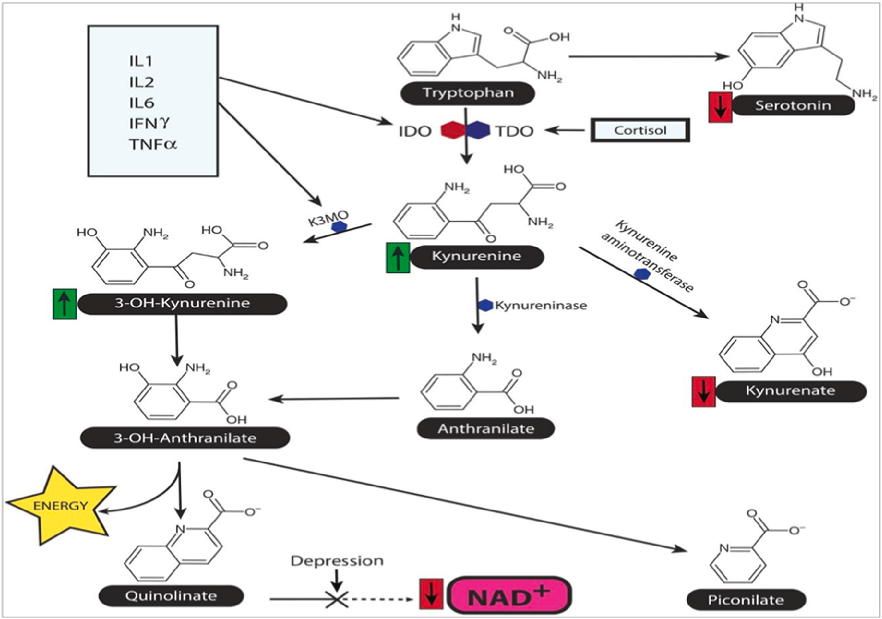
Bidirectional relationships between depression and metabolic disturbances are outlined, showing how each condition exacerbates the other through shared inflammatory and neuroendocrine mechanisms.
A review on linking stress, depression, and insulin resistance via low-grade chronic …
Treatment options for major depressive disorders are presented, including pharmacological, psychological, and lifestyle interventions that address the inflammatory-metabolic axis.
A review on linking stress, depression, and insulin resistance via low-grade chronic …
5ページ中1ページ目