Descrição
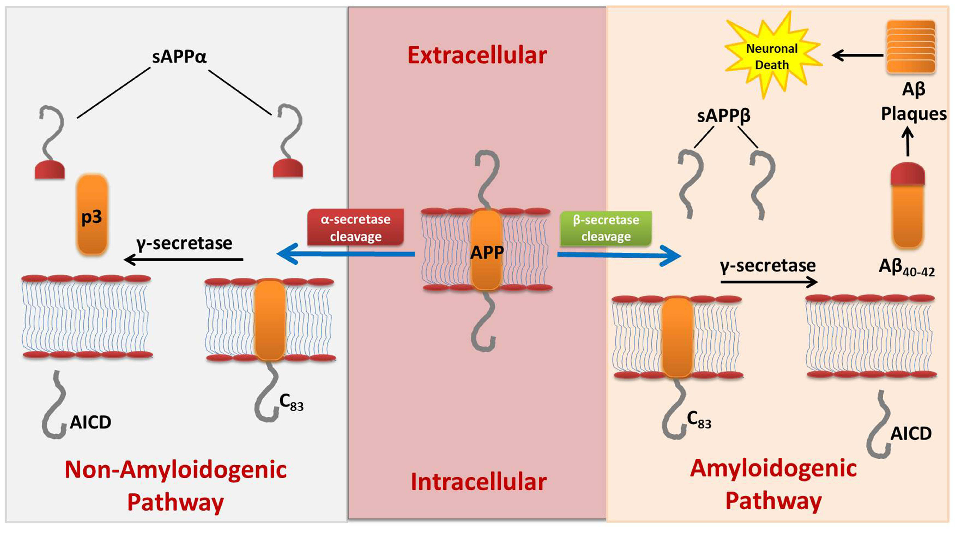
The amyloid cascade hypothesis and its therapeutic targets are illustrated, showing how beta-secretase and gamma-secretase inhibitors, along with anti-amyloid antibodies, aim to reduce pathological plaque formation.
More Figures from This Paper
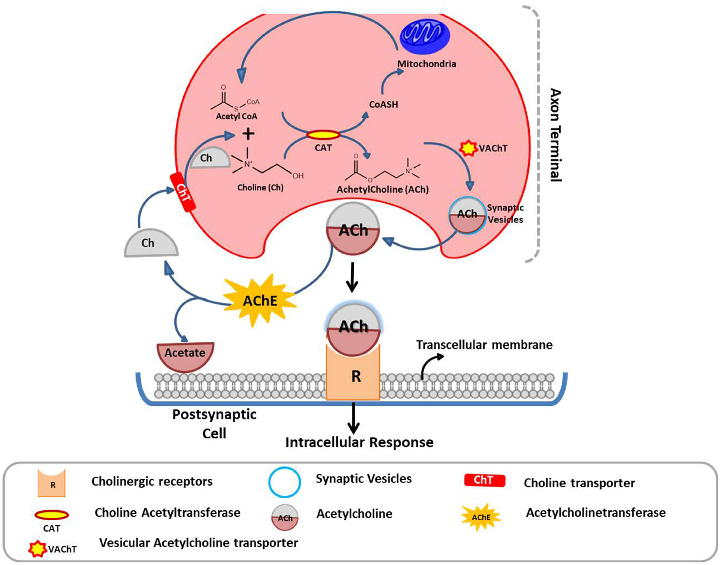
Figure 1
Major pharmacotherapeutic targets in Alzheimer's disease are mapped, including amyloid-beta aggregation, tau hyperphosphorylation, neuroinflammation, and cholinergic dysfunction as key intervention points.
diagram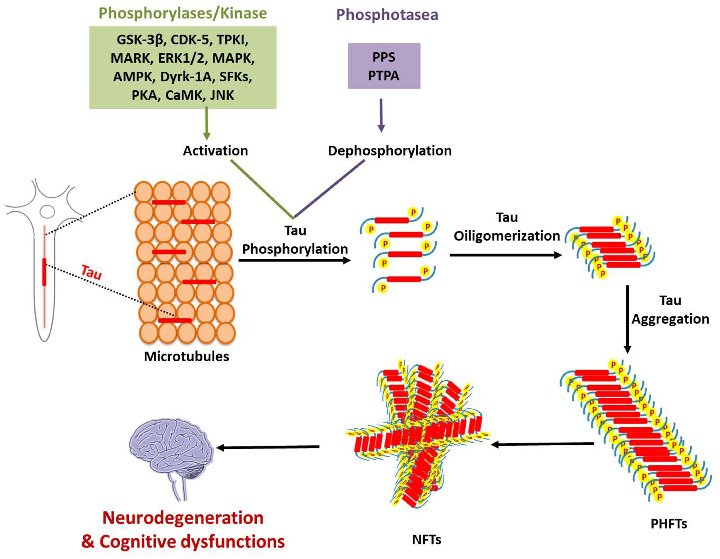
Figure 3
Tau protein pathology and potential therapeutic interventions are depicted, including kinase inhibitors and immunotherapy approaches targeting neurofibrillary tangle formation in Alzheimer's disease.
diagram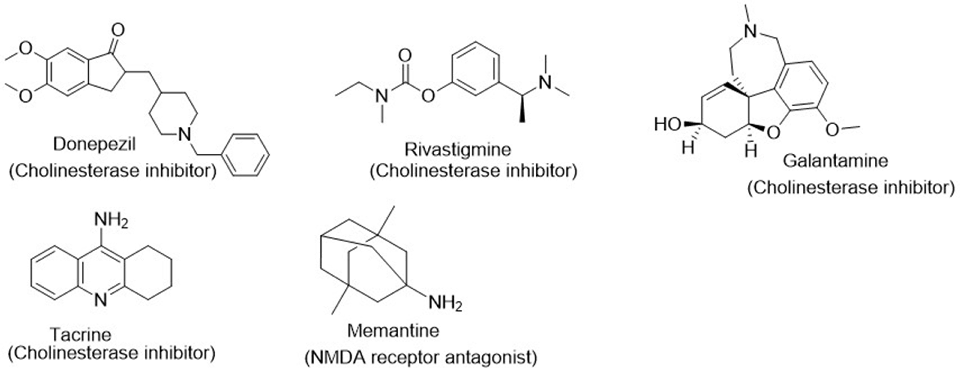
Figure 4
Neuroinflammatory pathways in Alzheimer's disease and anti-inflammatory therapeutic targets are outlined, showing microglial activation, cytokine cascades, and potential points of pharmacological intervention.
diagram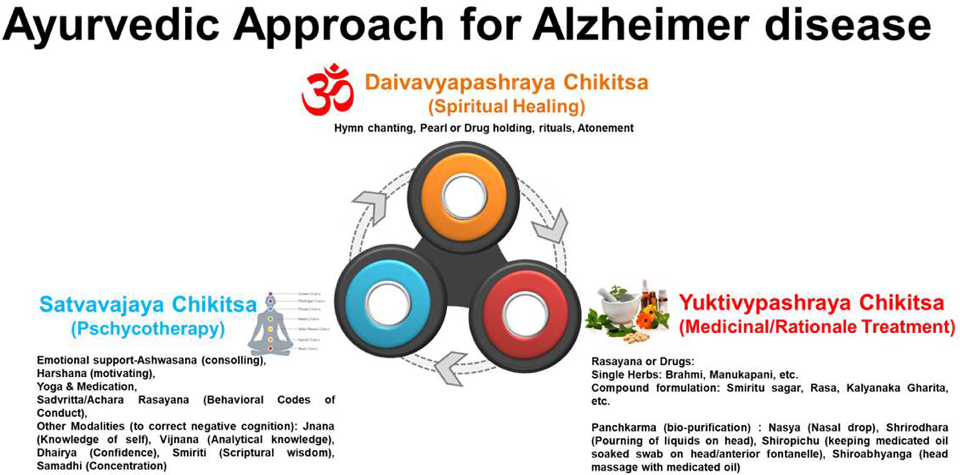
Figure 5
Traditional medicinal plants investigated for Alzheimer's management are catalogued with their bioactive compounds and proposed neuroprotective mechanisms, including antioxidant and anti-inflammatory activities.
diagram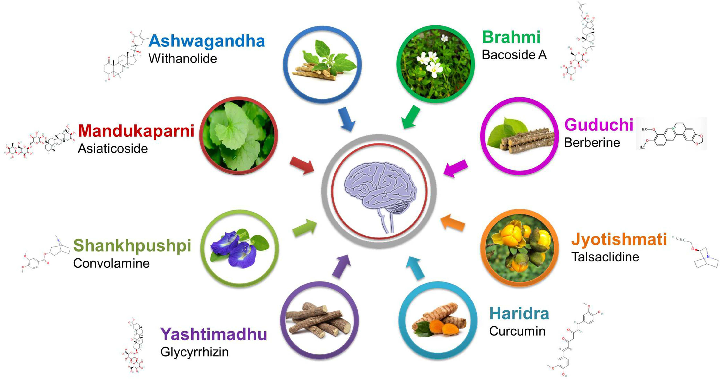
Figure 6
Cholinergic system dysfunction in Alzheimer's disease and current cholinesterase inhibitor therapies are illustrated, showing how acetylcholine deficiency contributes to cognitive decline.
diagramFigure 2
DiagramSource Paper
Review of Pharmacotherapeutic Targets in Alzheimer's Disease and Its Management Using Traditional Medicinal Plants.Cite This Figure
 > Source: Prabhash Nath Tripathi et al. "Review of Pharmacotherapeutic Targets in Alzheimer's Disease and Its Management ." *Degenerative neurological and neuromuscular disease*, 2024. PMID: [38784601](https://pubmed.ncbi.nlm.nih.gov/38784601/)
<figure>
  <img src="https://pdfs.citedhealth.com/figures/38784601/521.png" alt="The amyloid cascade hypothesis and its therapeutic targets are illustrated, showing how beta-secretase and gamma-secretase inhibitors, along with anti-amyloid antibodies, aim to reduce pathological plaque formation." />
  <figcaption>Figure 2. The amyloid cascade hypothesis and its therapeutic targets are illustrated, showing how beta-secretase and gamma-secretase inhibitors, along with anti-amyloid antibodies, aim to reduce pathological plaque formation.<br>  Source: Prabhash Nath Tripathi et al. "Review of Pharmacotherapeutic Targets in Alzheimer's Disease and Its Management ." <em>Degenerative neurological and neuromuscular disease</em>, 2024. PMID: <a href="https://pubmed.ncbi.nlm.nih.gov/38784601/">38784601</a></figcaption>
</figure>
Evidências Relacionadas
Nota A · 58 estudos
Nota B · 15 estudos
Nota B · 12 estudos
Nota B · 12 estudos
Nota B · 10 estudos
Nota C · 15 estudos
Nota C · 8 estudos
Nota C · 40 estudos
Nota C · 10 estudos