Curcumin Şekiller
87 hakemli araştırmalardan görseller
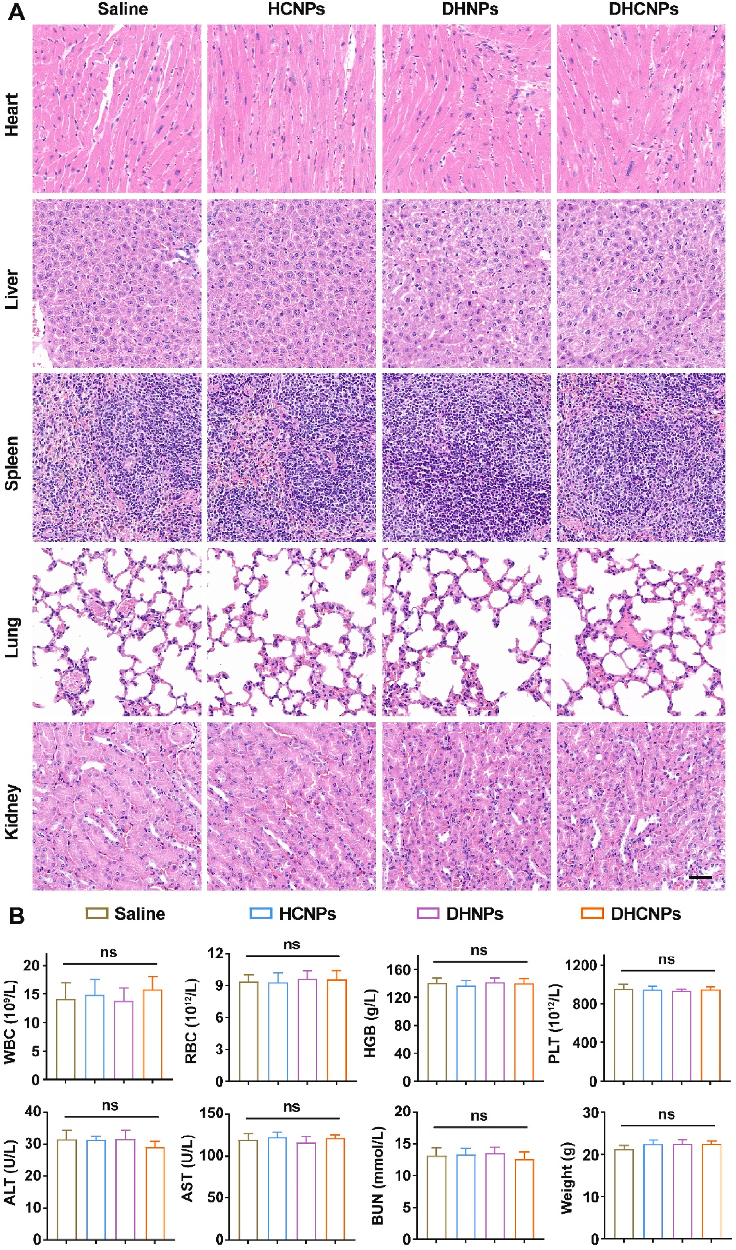
A biomimic anti-neuroinflammatory nanoplatform for active neutrophil extracellular traps targeting and spinal …
Various nanoparticle-based drug delivery systems designed to cross the blood-brain barrier are depicted, including liposomes, polymeric nanoparticles, and solid lipid carriers for Alzheimer's disease therapeutics.
Latest Perspectives on Alzheimer's Disease Treatment: The Role of Blood-Brain Barrier and …
Antioxidant mechanisms relevant to Alzheimer's disease neuroprotection are summarized, highlighting how reactive oxygen species contribute to neurodegeneration and how antioxidant-loaded delivery systems may counteract oxidative damage.
Latest Perspectives on Alzheimer's Disease Treatment: The Role of Blood-Brain Barrier and …
A comparative overview of different blood-brain barrier crossing strategies is presented, including receptor-mediated transcytosis, adsorptive transcytosis, and focused ultrasound approaches for drug delivery.
Latest Perspectives on Alzheimer's Disease Treatment: The Role of Blood-Brain Barrier and …
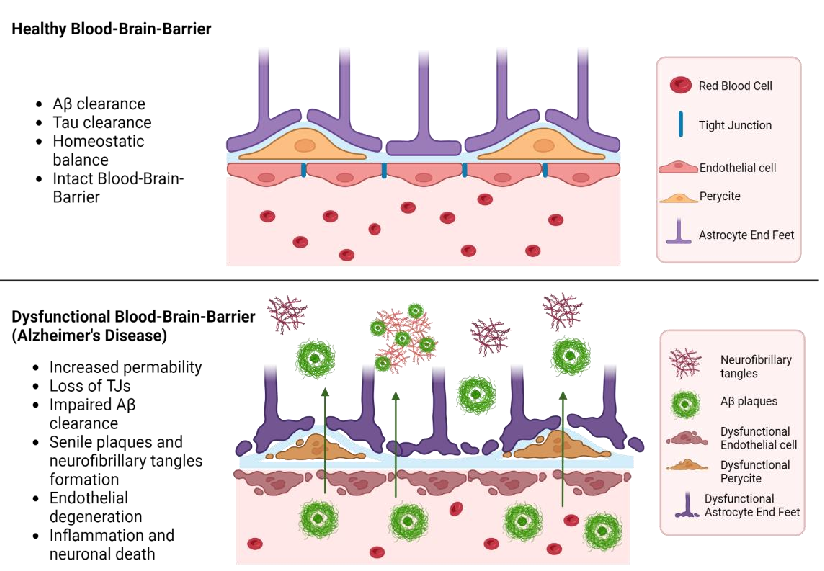
A schematic timeline of Alzheimer's disease progression alongside potential intervention windows for antioxidant and BBB-targeting drug delivery systems is shown, emphasizing early intervention strategies.
Latest Perspectives on Alzheimer's Disease Treatment: The Role of Blood-Brain Barrier and …
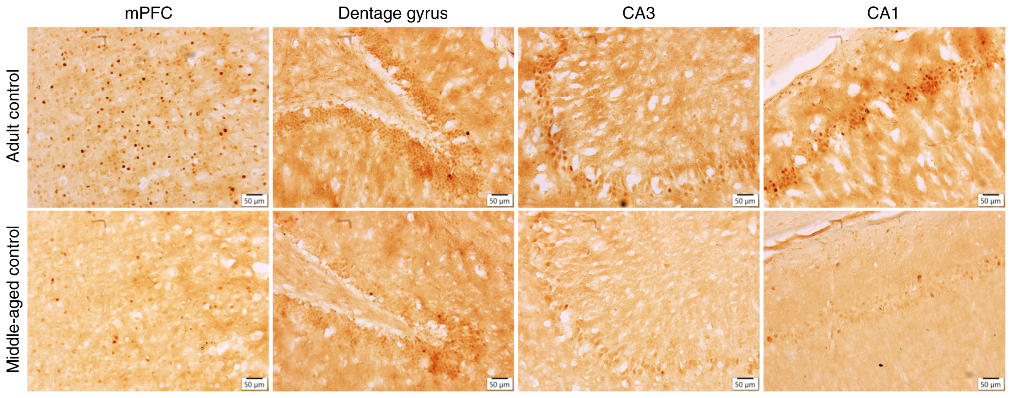
Figure 1. Expression of c‑Fos was evaluated by immunohistochemical staining. Middle‑aged control rats showed lower c‑Fos expression than the adult controls in the mPFC, dentate gyrus, CA3, and CA1 areas. …
Effects of curcumin and γ-oryzanol solid dispersion on the brain of middle-aged …
Effects of curcumin and γ-oryzanol solid dispersion on the brain of middle-aged …
Effects of curcumin and γ-oryzanol solid dispersion on the brain of middle-aged …
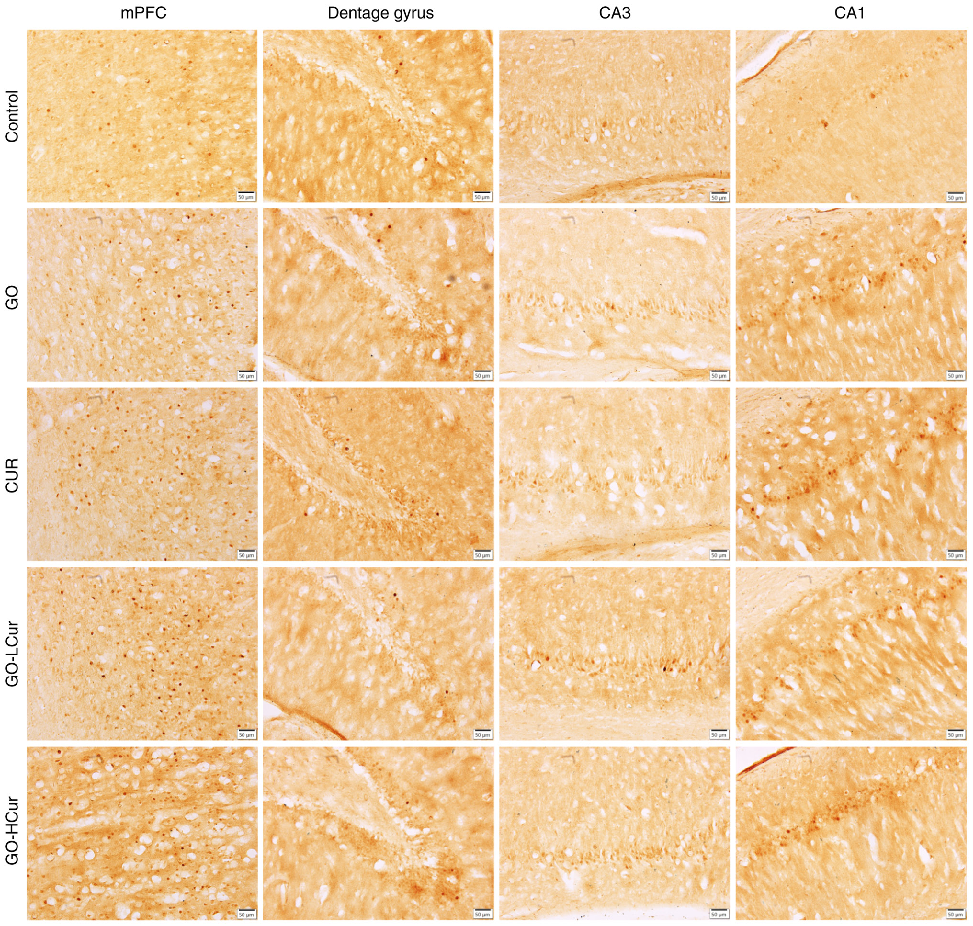
Effects of curcumin and γ-oryzanol solid dispersion on the brain of middle-aged …
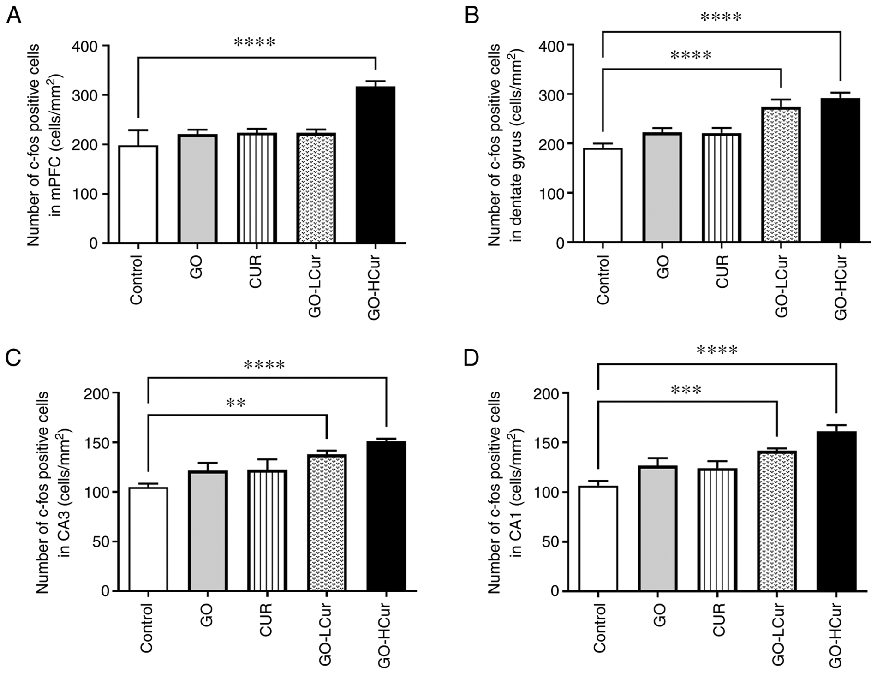
Effects of curcumin and γ-oryzanol solid dispersion on the brain of middle-aged …
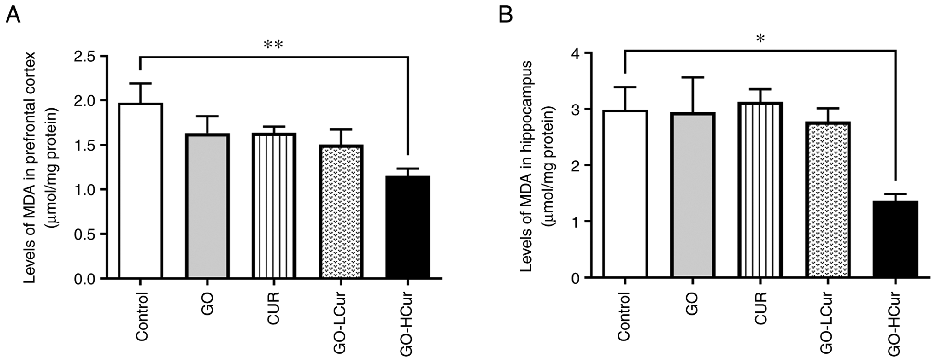
Effects of curcumin and γ-oryzanol solid dispersion on the brain of middle-aged …
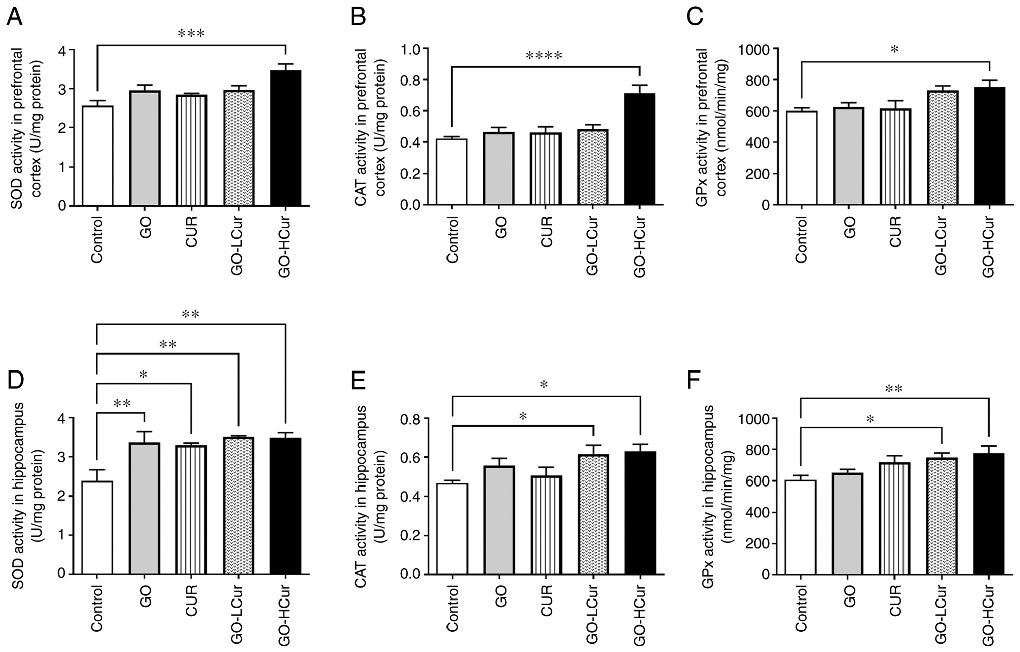
Effects of curcumin and γ-oryzanol solid dispersion on the brain of middle-aged …
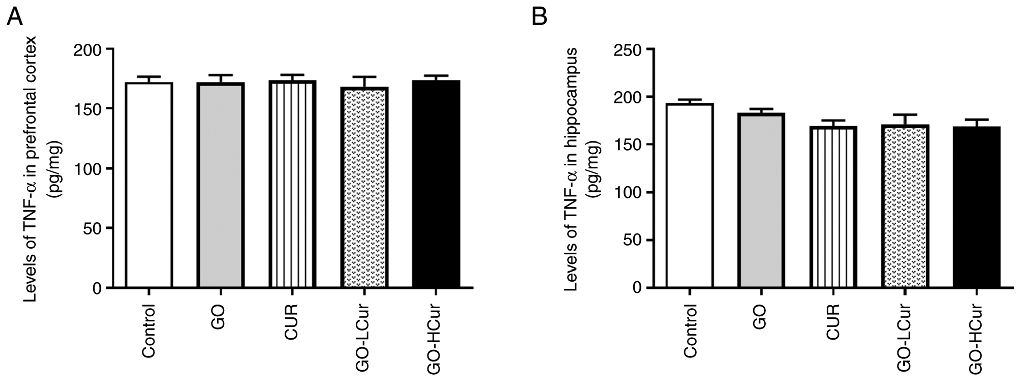
Figure 8. Effect of GOSD and CURSD on levels of TNF‑α in (A) the prefrontal cortex, and (B) hippocampus areas. Data are presented as the mean ± SEM. TNF‑α, tumor …
Effects of curcumin and γ-oryzanol solid dispersion on the brain of middle-aged …
![Following oral administration, curcumin demonstrates poor systemic bioavailability due to limited intestinal absorption, rapid hepatic metabolism, and swift systemic elimination [23]. Clinical pharmacokinetic studies have shown that even high oral doses (](https://pdfs.citedhealth.com/figures/40944272/199.png)
Overview of curcumin's pharmacokinetic challenges following oral administration, including poor systemic bioavailability due to limited intestinal absorption and rapid hepatic metabolism. The narrative review discusses strategies to enhance curcumin delivery to the central nervous system for neuroprotective applications.
The Neuroprotective Role of Curcumin: From Molecular Pathways to Clinical Translation-A Narrative …
![Curcumin exerts broad-spectrum anti-inflammatory effects predominantly via modulation of the nuclear factor kappa B (NF-κB) signaling pathway [70]. By inhibiting NF-κB activation, curcumin suppresses the transcription of pivotal pro-inflammatory mediators](https://pdfs.citedhealth.com/figures/40944272/226.png)
Curcumin's anti-inflammatory mechanisms operate primarily through modulation of the NF-kappa-B signaling pathway. The diagram illustrates how curcumin suppresses neuroinflammatory cascades implicated in Alzheimer's disease, Parkinson's disease, and post-stroke cognitive impairment.
The Neuroprotective Role of Curcumin: From Molecular Pathways to Clinical Translation-A Narrative …
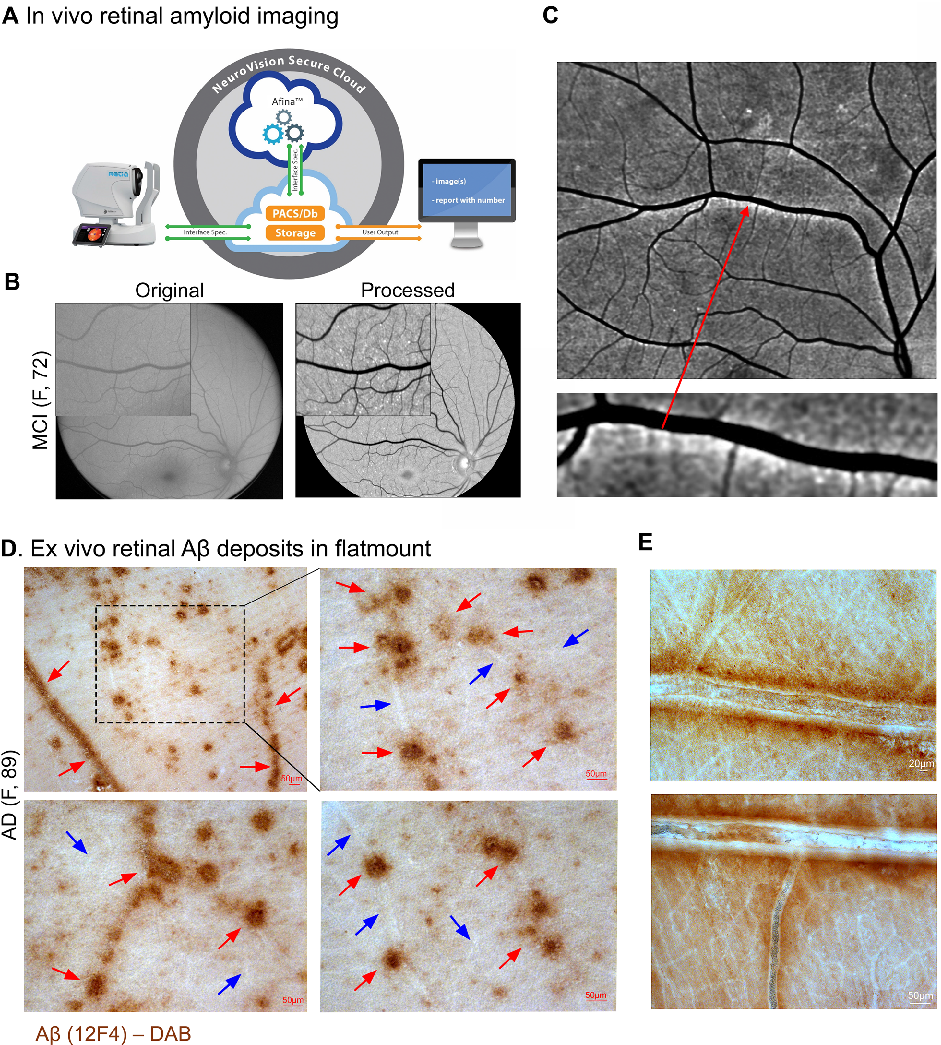
Statistical analysis from research investigating retinal peri, comparing treatment groups and control conditions.
Retinal peri-arteriolar versus peri-venular amyloidosis, hippocampal atrophy, and cognitive impairment: exploratory trial.
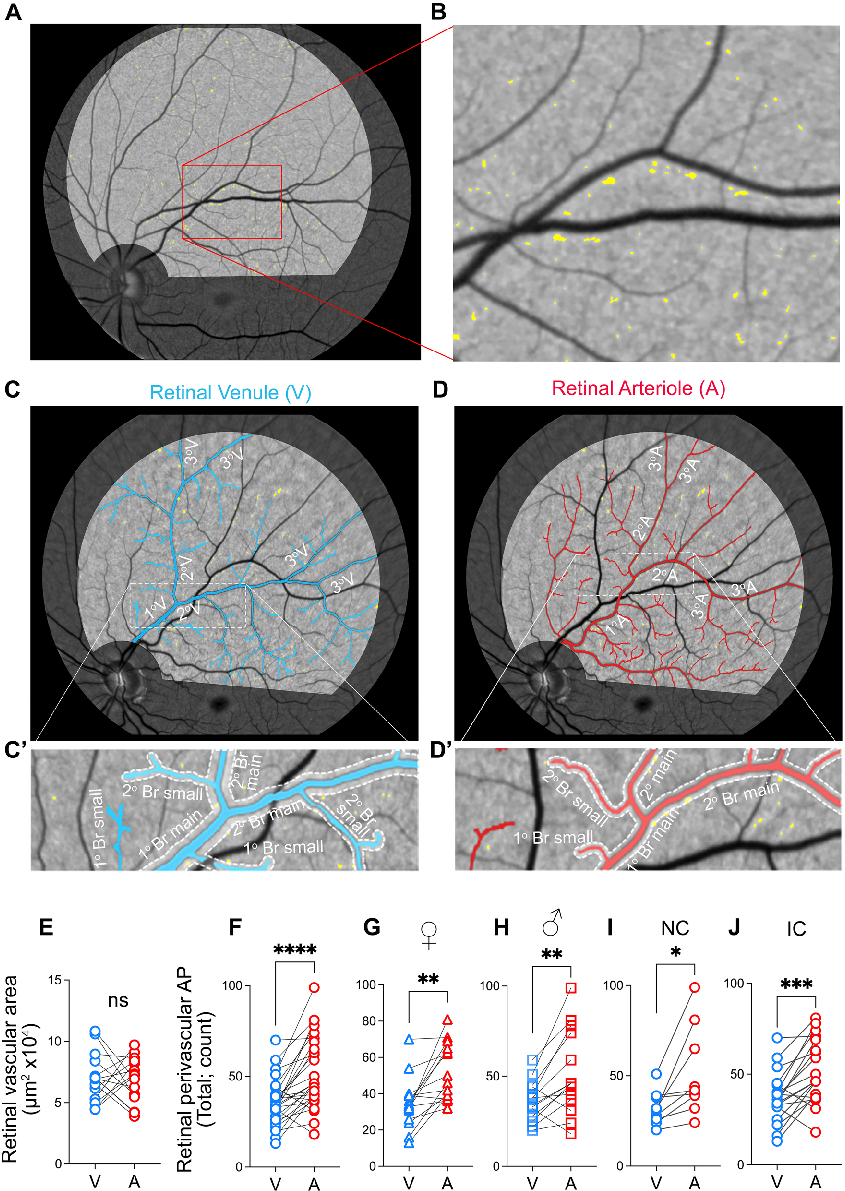
Measured parameters from a study evaluating retinal peri, contributing to the overall assessment of the relationship between amyloidosis and vasculature in cognitive impairment and Alzheimer's disease (AD) pathogenesi.
Retinal peri-arteriolar versus peri-venular amyloidosis, hippocampal atrophy, and cognitive impairment: exploratory trial.
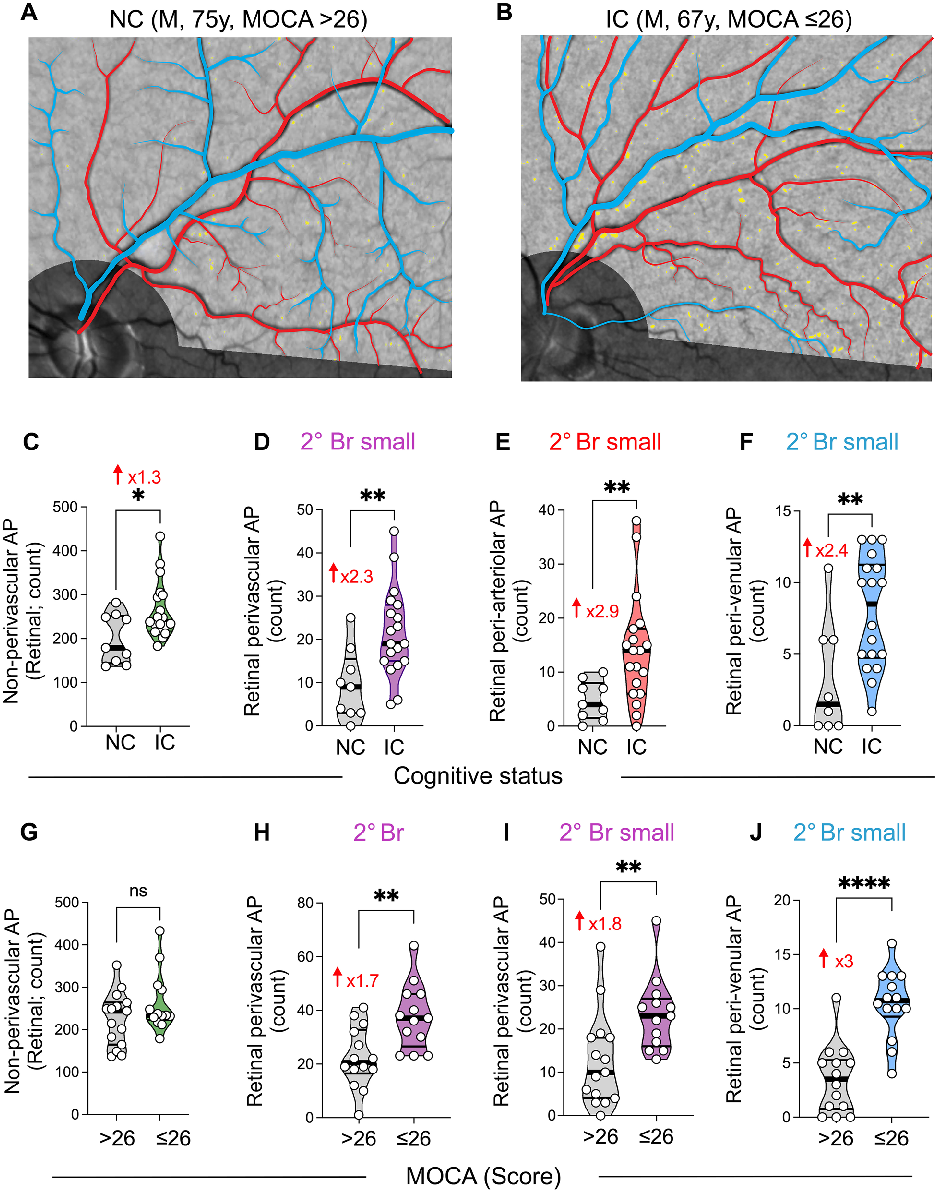
Graphical representation of outcomes in a study of retinal peri, highlighting trends observed across experimental conditions.
Retinal peri-arteriolar versus peri-venular amyloidosis, hippocampal atrophy, and cognitive impairment: exploratory trial.
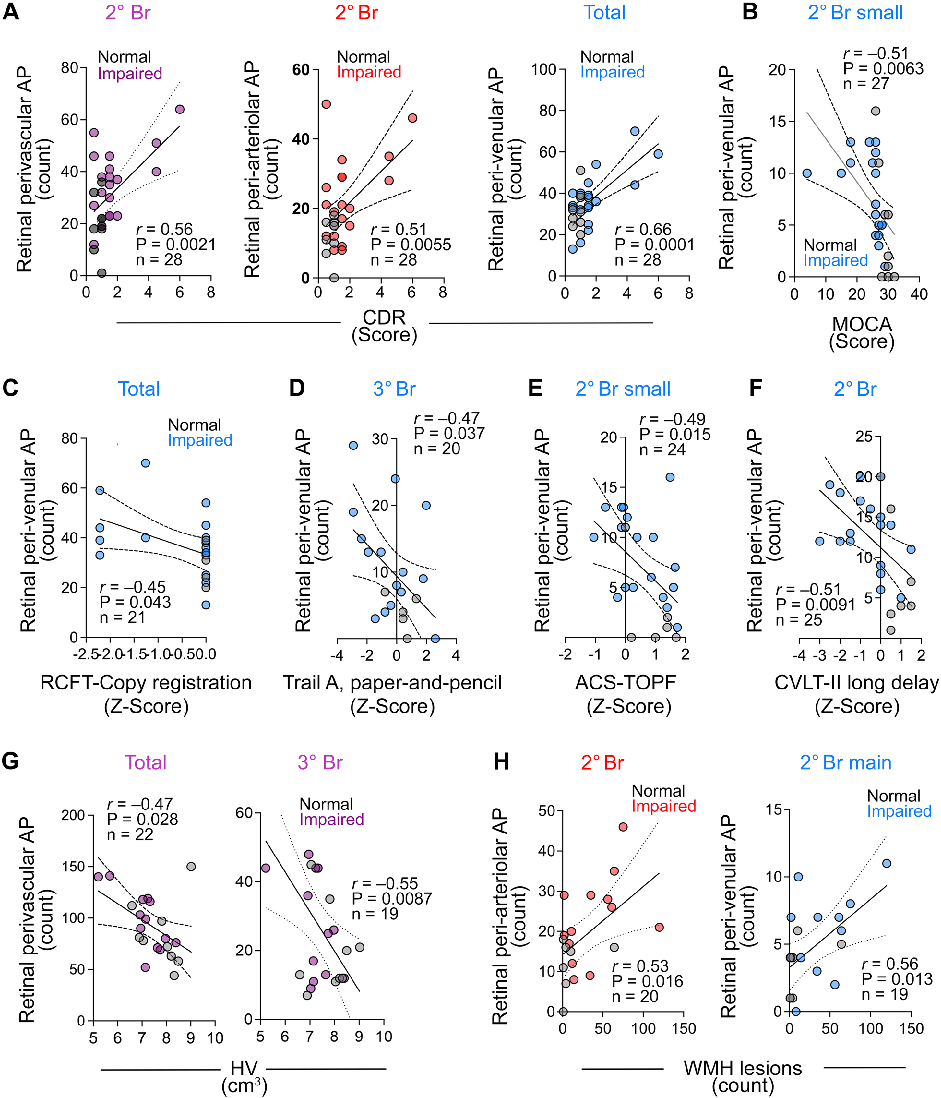
Fig. 4 Correlations between retinal perivascular amyloid plaque distribution with cognitive and neuroimaging measures.
Retinal peri-arteriolar versus peri-venular amyloidosis, hippocampal atrophy, and cognitive impairment: exploratory trial.
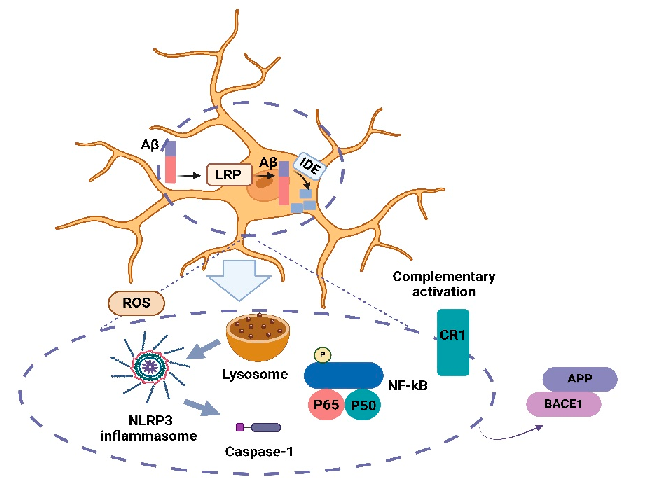
Brain microglia activation in AD. Microglia are effective in Aβ clearance, neuroinflammation, and the production and aggregation of Aβ.
Mechanisms Linking Obesity, Insulin Resistance, and Alzheimer's Disease: Effects of Polyphenols and …
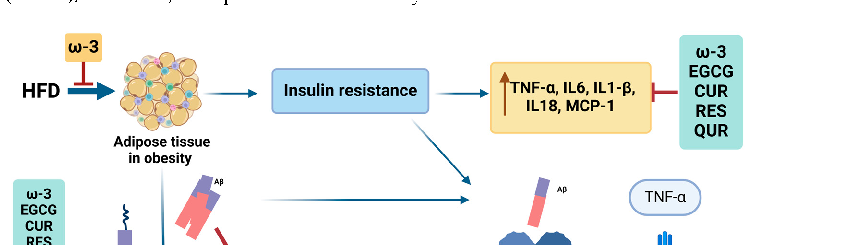
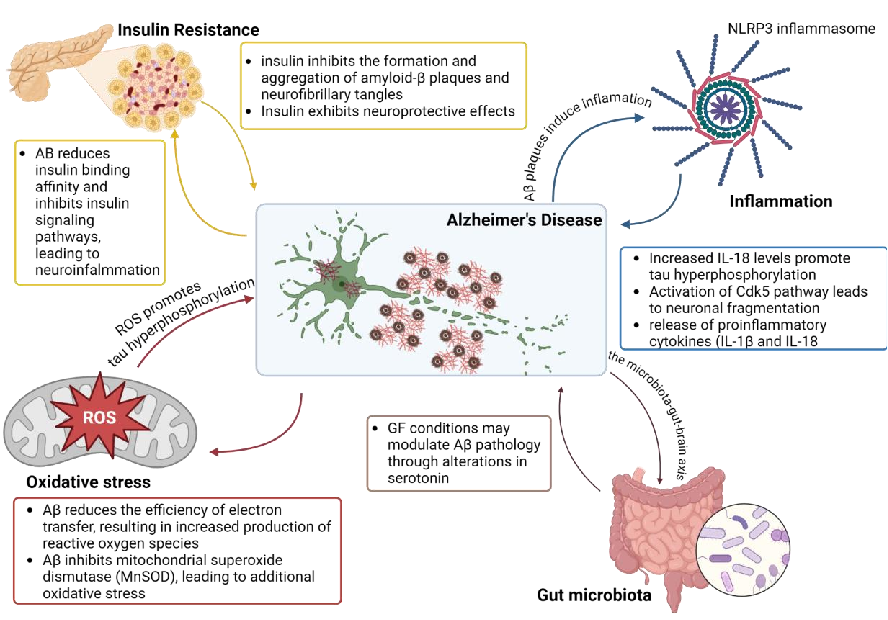
Visual summary of the pathways and interactions relevant to mechanisms Linking Obesity, Insulin Resistance, and Alzheimer's Disease, as discussed in the context of alzheimer's disease (AD) is a complex neurodegenerative disorder characterized by progressive cognitive decline, memo.
Mechanisms Linking Obesity, Insulin Resistance, and Alzheimer's Disease: Effects of Polyphenols and …
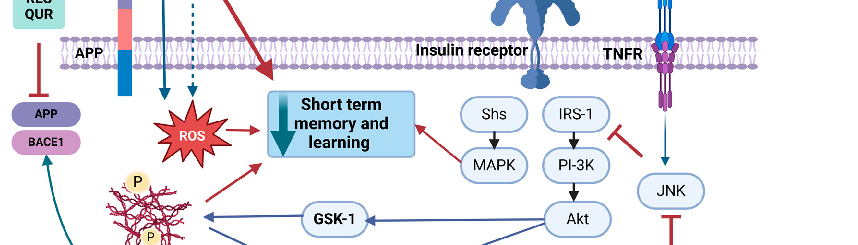
Schematic representation highlighting the mechanisms underlying mechanisms Linking Obesity, Insulin Resistance, and Alzheimer's Disease and their potential therapeutic implications.
Mechanisms Linking Obesity, Insulin Resistance, and Alzheimer's Disease: Effects of Polyphenols and …
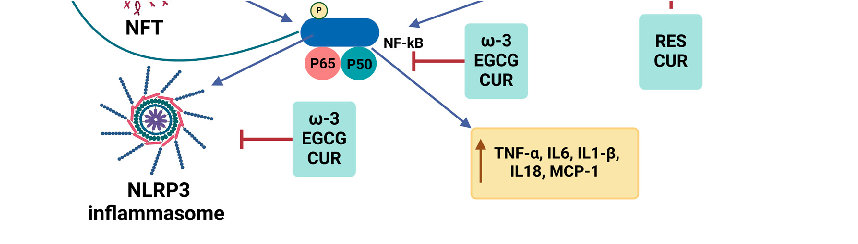
Summary of the mechanistic effects of dietary ω-3 fatty acids and polyphenols on the amyloidogenic pathway. In the context of obesity, IR, and the presence of Aβ, inflammatory pathways are upregulated.
Mechanisms Linking Obesity, Insulin Resistance, and Alzheimer's Disease: Effects of Polyphenols and …
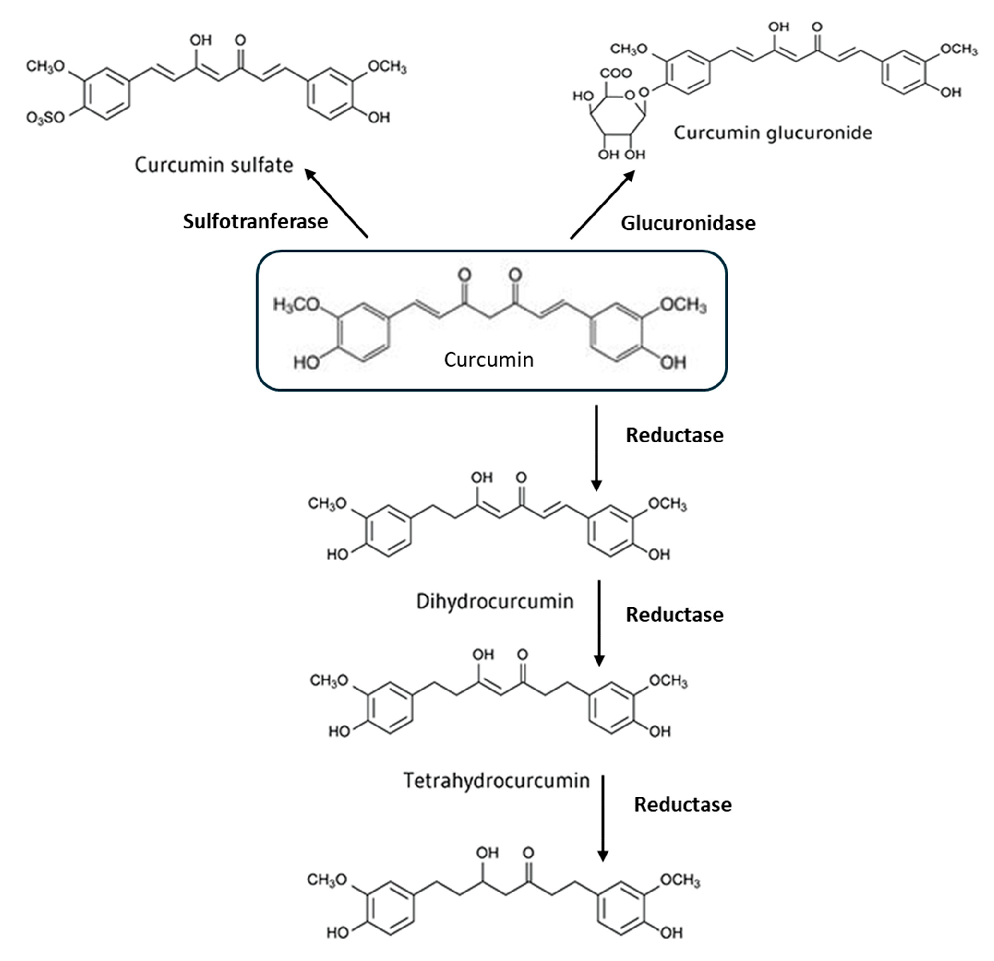
Conceptual diagram summarizing the relationship between curcumin Modulation of the Gut and the biological processes described in this research.
Curcumin Modulation of the Gut-Brain Axis for Neuroinflammation and Metabolic Disorders Prevention …
Sayfa 3 / 4