Forschungsprozess
368 Abbildungen aus begutachteter Forschung
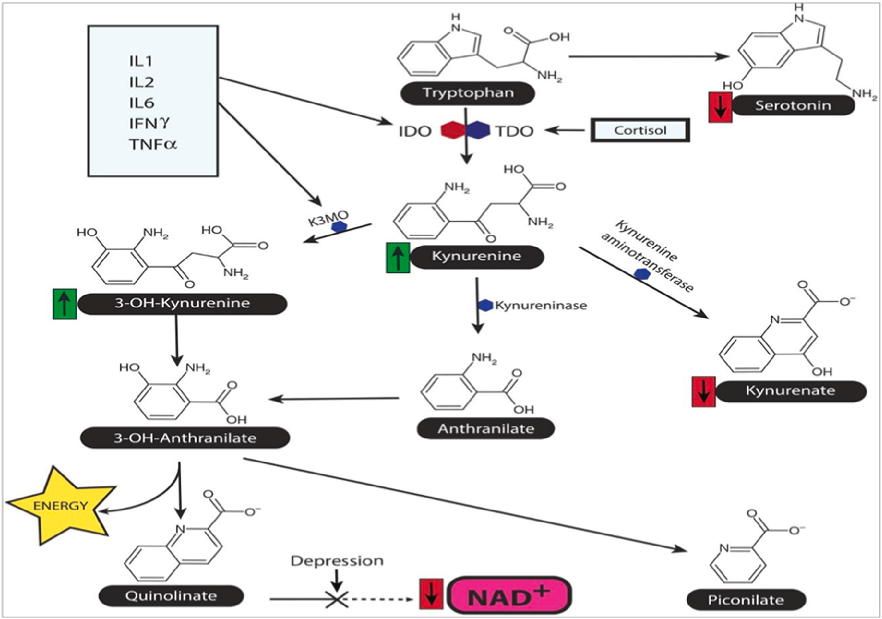
Bidirectional relationships between depression and metabolic disturbances are outlined, showing how each condition exacerbates the other through shared inflammatory and neuroendocrine mechanisms.
A review on linking stress, depression, and insulin resistance via low-grade chronic …
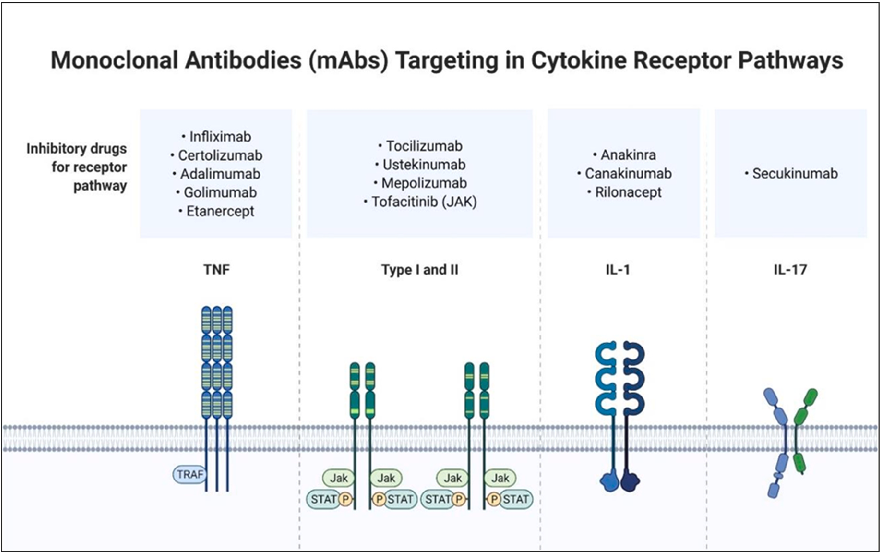
Treatment options for major depressive disorders are presented, including pharmacological, psychological, and lifestyle interventions that address the inflammatory-metabolic axis.
A review on linking stress, depression, and insulin resistance via low-grade chronic …
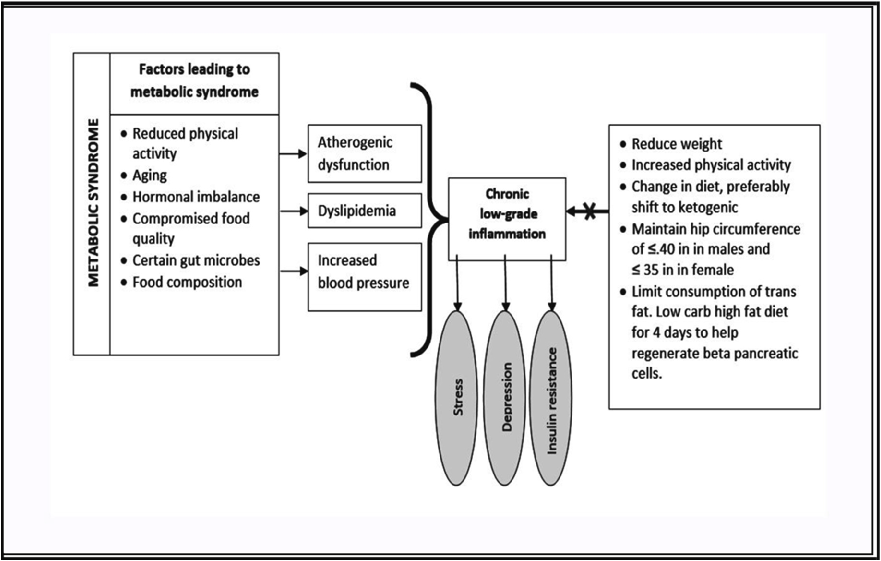
A schematic representation maps the factors contributing to metabolic syndrome alongside corresponding dietary and lifestyle modifications that may alleviate these conditions, integrating evidence on stress management and anti-inflammatory nutrition.
A review on linking stress, depression, and insulin resistance via low-grade chronic …
Major pharmacotherapeutic targets in Alzheimer's disease are mapped, including amyloid-beta aggregation, tau hyperphosphorylation, neuroinflammation, and cholinergic dysfunction as key intervention points.
Review of Pharmacotherapeutic Targets in Alzheimer's Disease and Its Management Using Traditional …
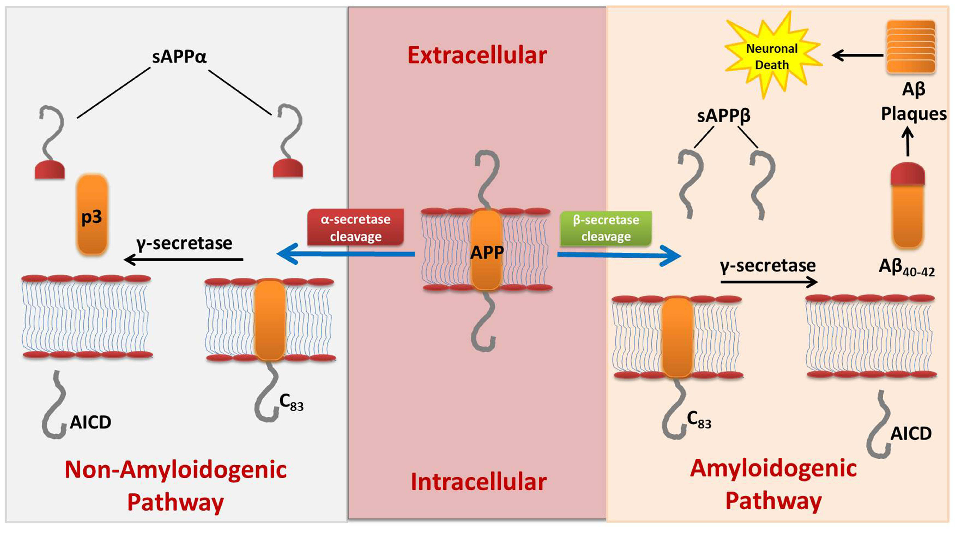
The amyloid cascade hypothesis and its therapeutic targets are illustrated, showing how beta-secretase and gamma-secretase inhibitors, along with anti-amyloid antibodies, aim to reduce pathological plaque formation.
Review of Pharmacotherapeutic Targets in Alzheimer's Disease and Its Management Using Traditional …
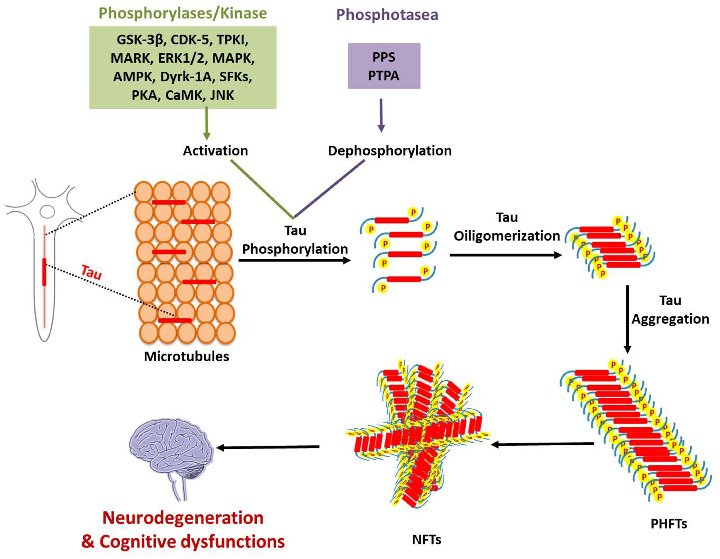
Tau protein pathology and potential therapeutic interventions are depicted, including kinase inhibitors and immunotherapy approaches targeting neurofibrillary tangle formation in Alzheimer's disease.
Review of Pharmacotherapeutic Targets in Alzheimer's Disease and Its Management Using Traditional …
Neuroinflammatory pathways in Alzheimer's disease and anti-inflammatory therapeutic targets are outlined, showing microglial activation, cytokine cascades, and potential points of pharmacological intervention.
Review of Pharmacotherapeutic Targets in Alzheimer's Disease and Its Management Using Traditional …
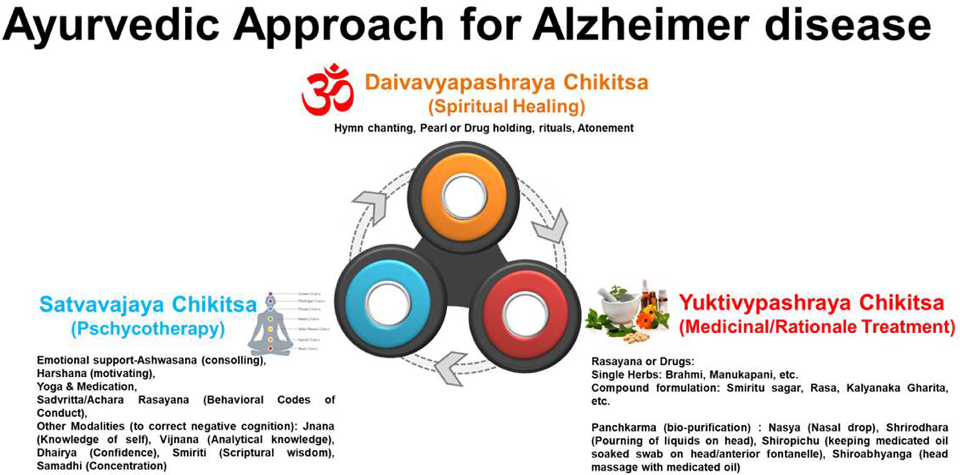
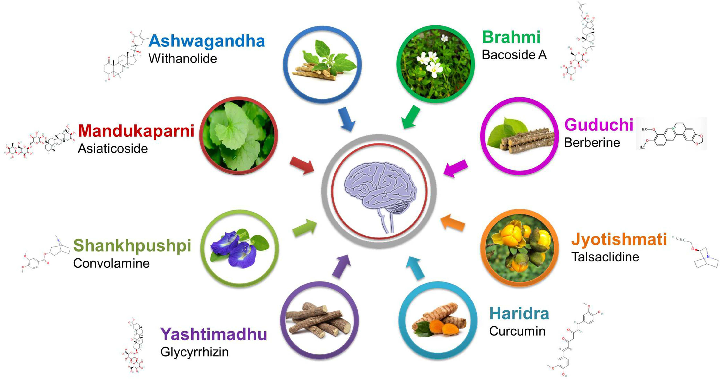
Traditional medicinal plants investigated for Alzheimer's management are catalogued with their bioactive compounds and proposed neuroprotective mechanisms, including antioxidant and anti-inflammatory activities.
Review of Pharmacotherapeutic Targets in Alzheimer's Disease and Its Management Using Traditional …
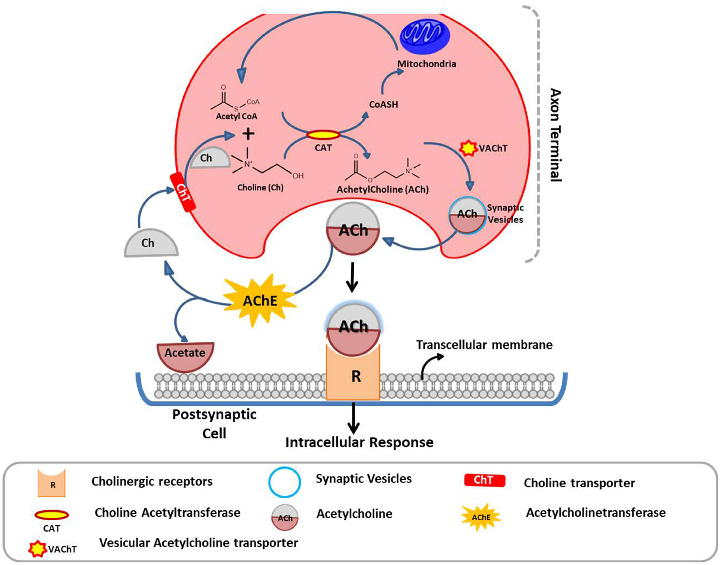
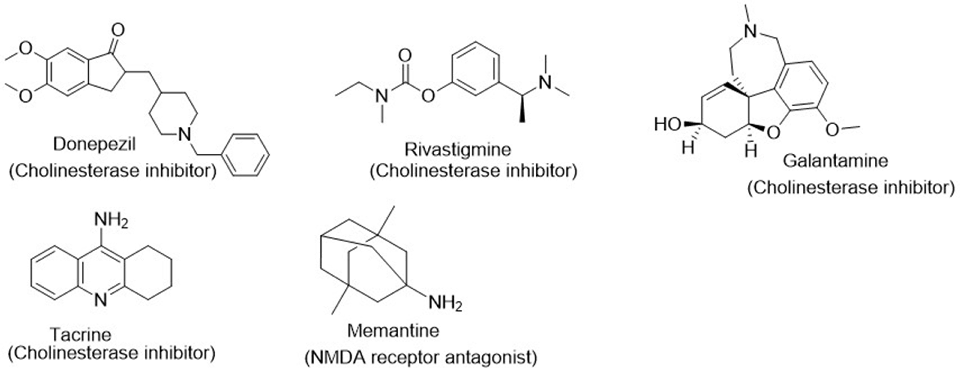
Cholinergic system dysfunction in Alzheimer's disease and current cholinesterase inhibitor therapies are illustrated, showing how acetylcholine deficiency contributes to cognitive decline.
Review of Pharmacotherapeutic Targets in Alzheimer's Disease and Its Management Using Traditional …
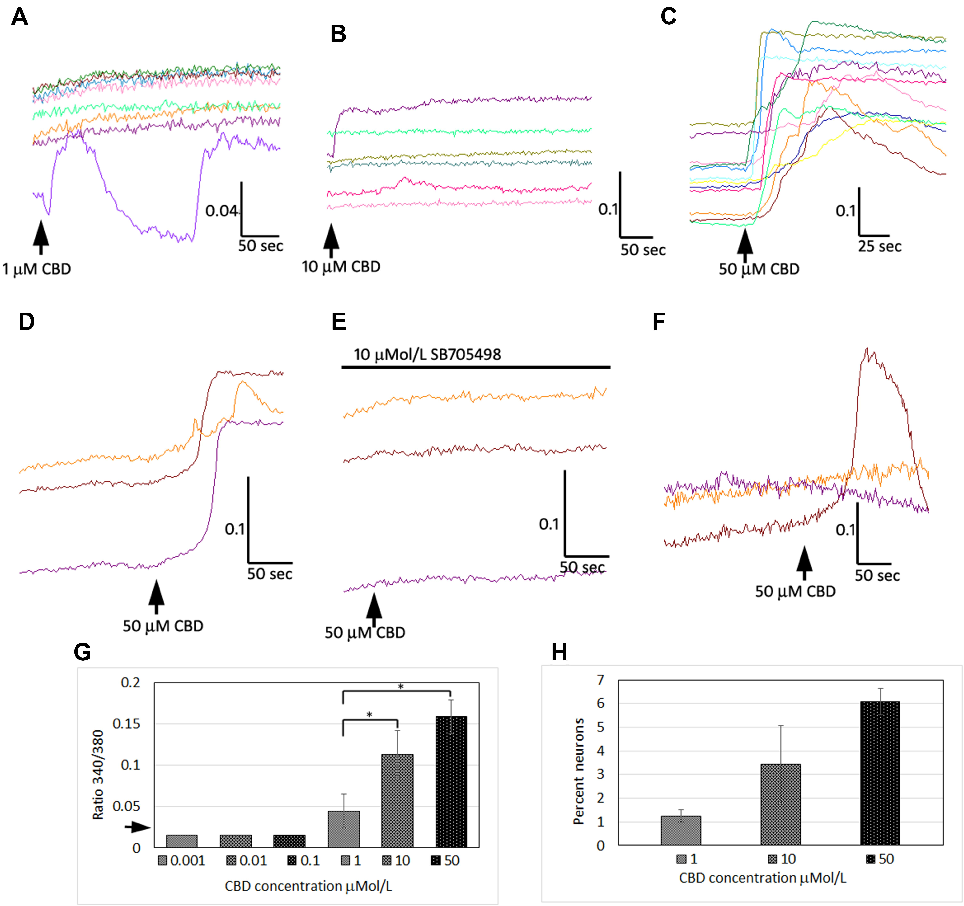
Calcium imaging or electrophysiological recordings from cultured DRG neurons demonstrating CBD's dose-dependent effects on TRPV1-mediated capsaicin responses and downstream signaling pathways.
CBD Effects on TRPV1 Signaling Pathways in Cultured DRG Neurons.
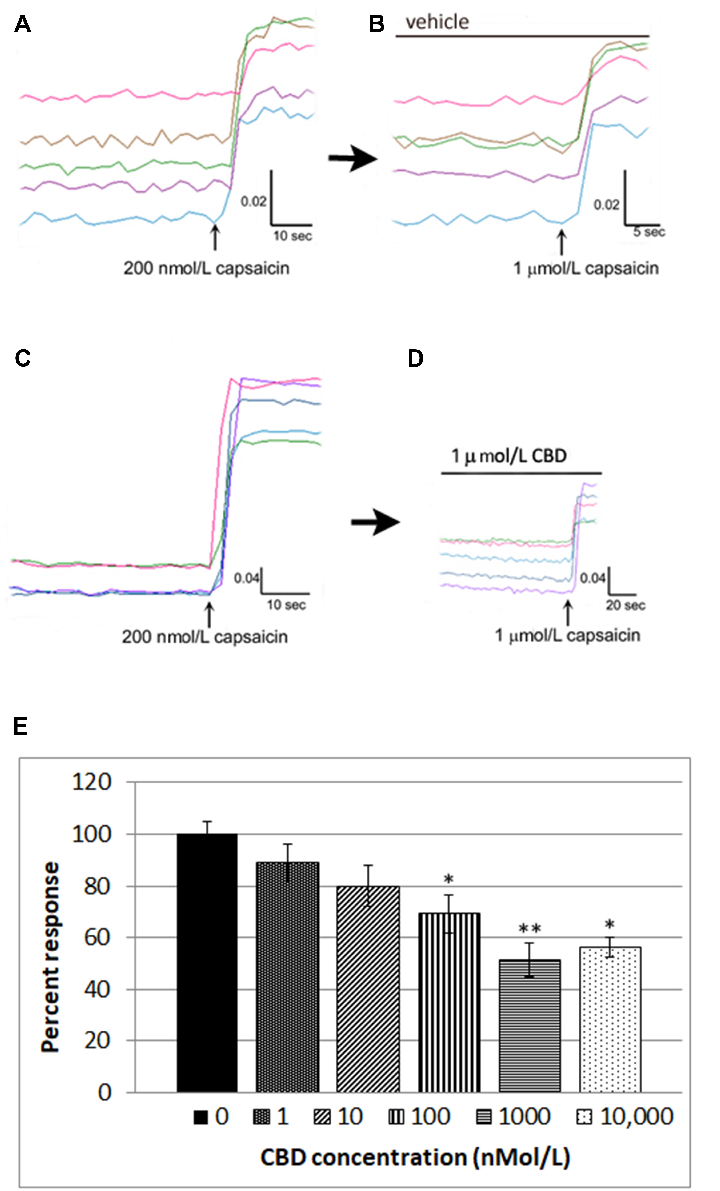
Calcium imaging or electrophysiological recordings from cultured DRG neurons demonstrating CBD's dose-dependent effects on TRPV1-mediated capsaicin responses and downstream signaling pathways.
CBD Effects on TRPV1 Signaling Pathways in Cultured DRG Neurons.
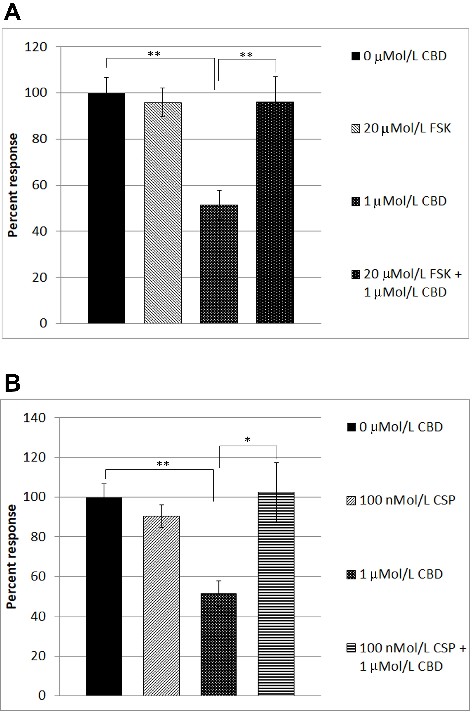
CBD-mediated TRPV1 desensitization was reversed by forskolin (cAMP pathway activator) and cyclosporin (calcineurin inhibitor), indicating that cannabidiol's analgesic mechanism involves phosphatase-dependent receptor desensitization in DRG neurons.
CBD Effects on TRPV1 Signaling Pathways in Cultured DRG Neurons.
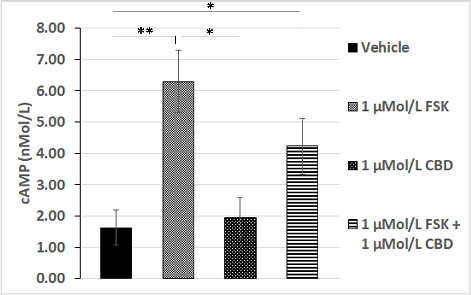
Forskolin-stimulated cAMP levels were significantly inhibited by CBD co-treatment in DRG neurons, suggesting cannabidiol modulates the cAMP-PKA signaling axis downstream of TRPV1 activation.
CBD Effects on TRPV1 Signaling Pathways in Cultured DRG Neurons.
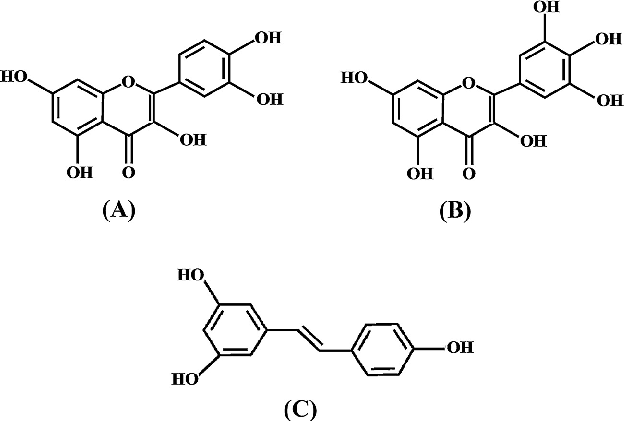
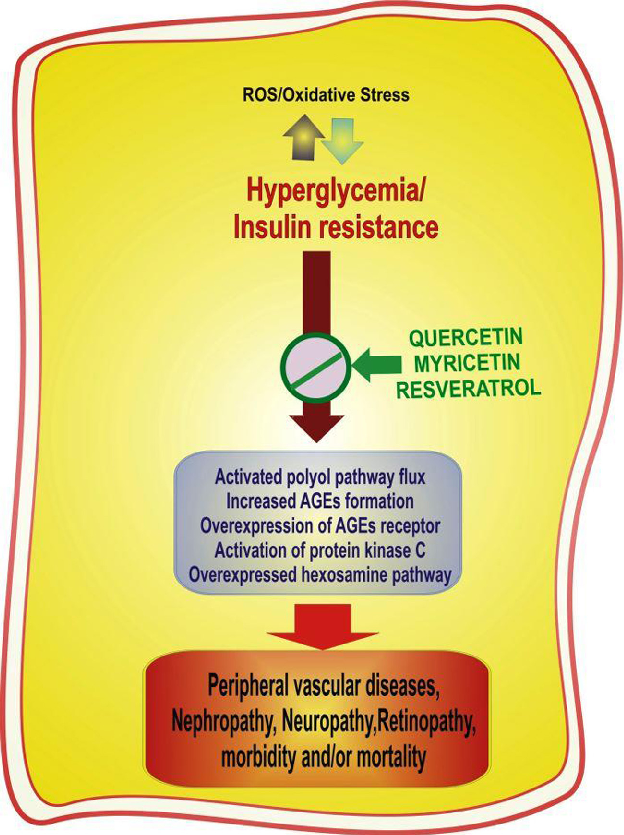
Molecular mechanisms by which red grape polyphenols exert antidiabetic effects are illustrated, including modulation of insulin signaling, glucose uptake, and oxidative stress pathways.
Role of red grape polyphenols as antidiabetic agents.
Preclinical and clinical evidence for red grape polyphenol interventions in diabetes management is reviewed, highlighting effects on glycemic control, insulin sensitivity, and diabetic complications.
Role of red grape polyphenols as antidiabetic agents.
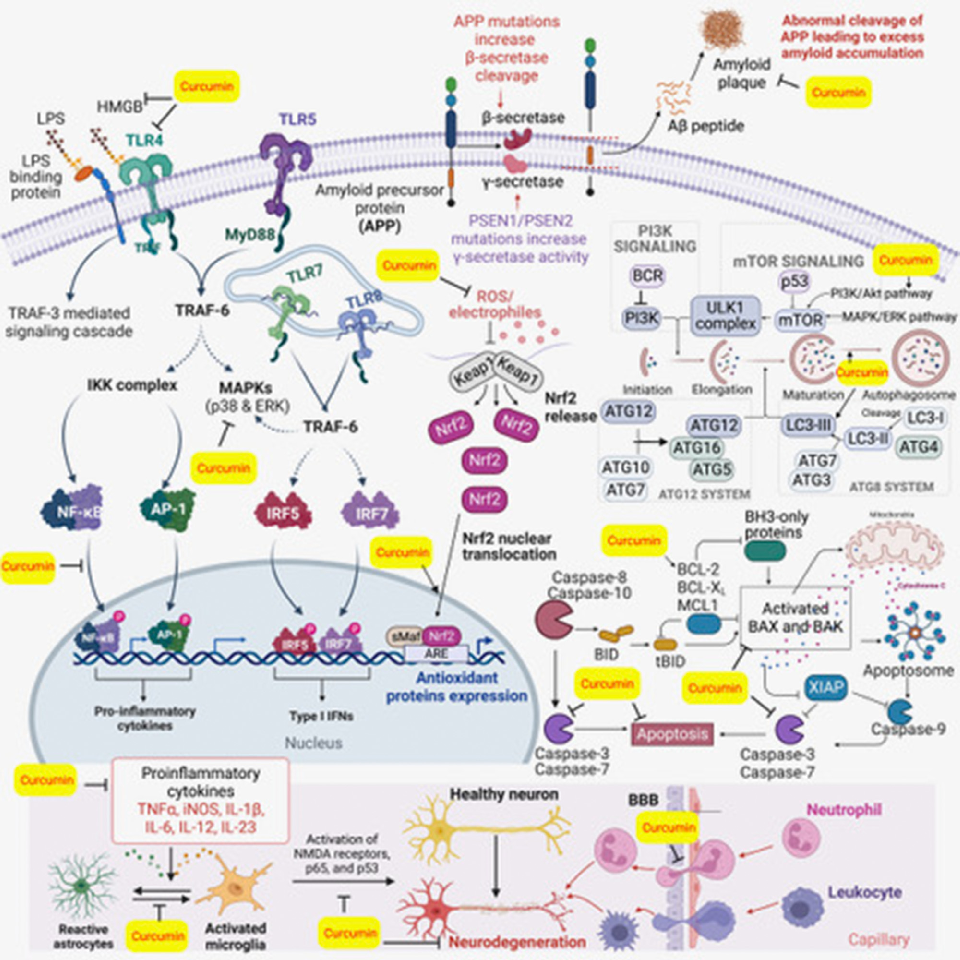
Major inflammatory pathways associated with neurological disorders and curcumin's potential to restore deregulated signaling are depicted. NF-kB, Nrf2, and inflammasome pathways are central to curcumin's neuroprotective mechanism.
Curcumin, inflammation, and neurological disorders: How are they linked?
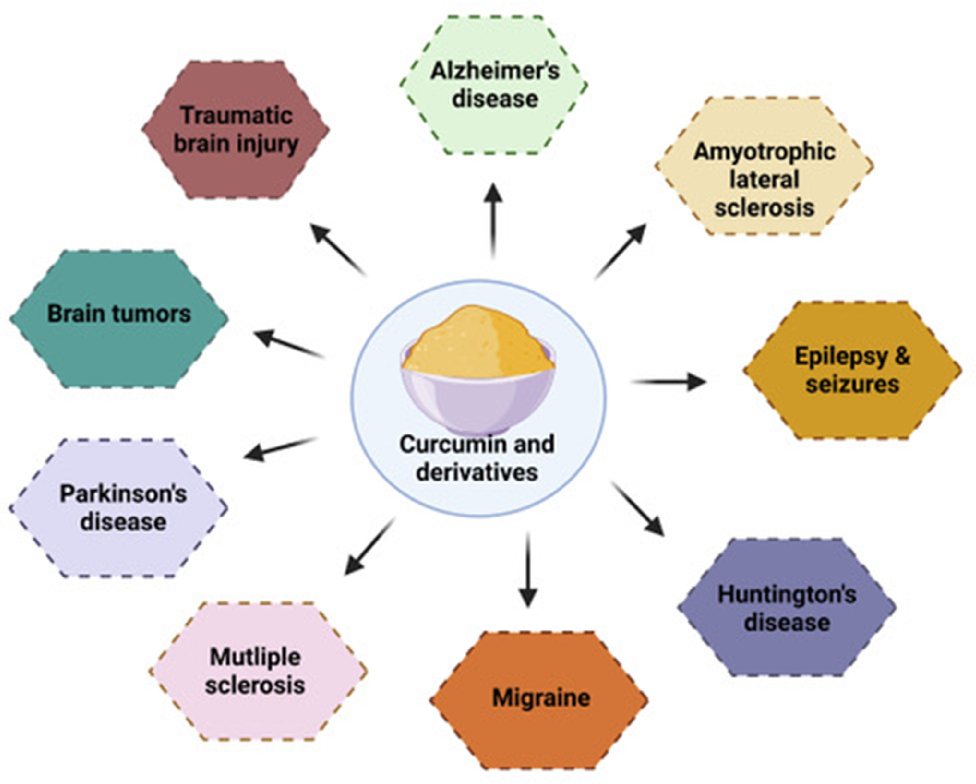
Curcumin activity against various neurodegenerative diseases is illustrated, spanning Alzheimer's disease, Parkinson's disease, Huntington's disease, and amyotrophic lateral sclerosis. Distinct molecular targets are engaged in each condition.
Curcumin, inflammation, and neurological disorders: How are they linked?
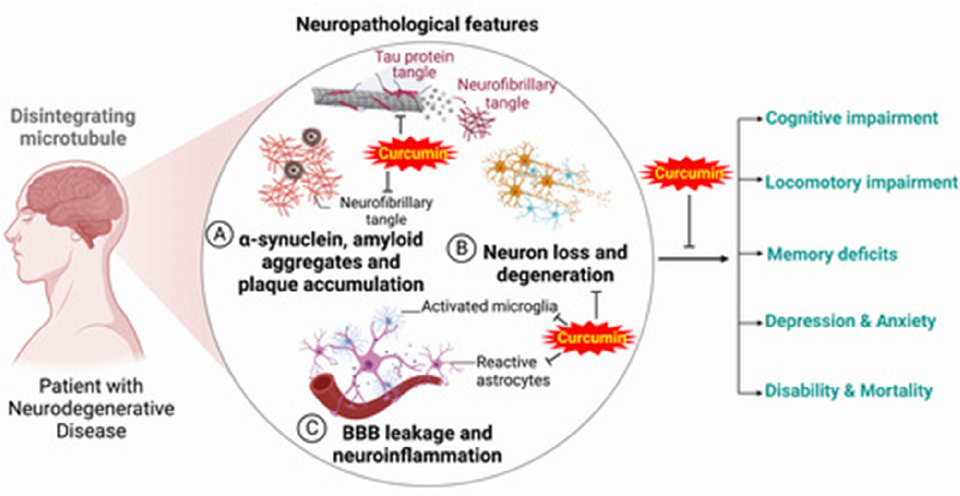
Neuropathological features associated with commonly occurring neurodegenerative diseases and their clinical outcomes are depicted. Protein aggregation, neuroinflammation, and oxidative stress represent shared pathological hallmarks.
Curcumin, inflammation, and neurological disorders: How are they linked?
[Not Available].
[Not Available].
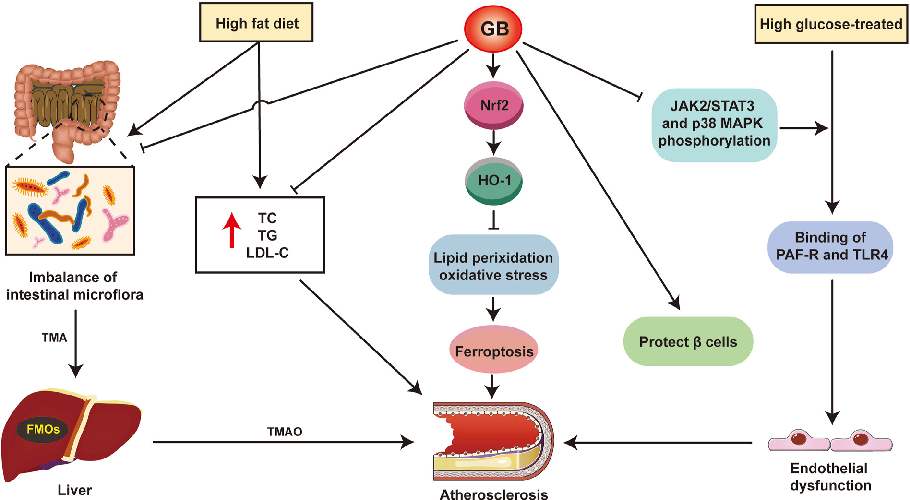
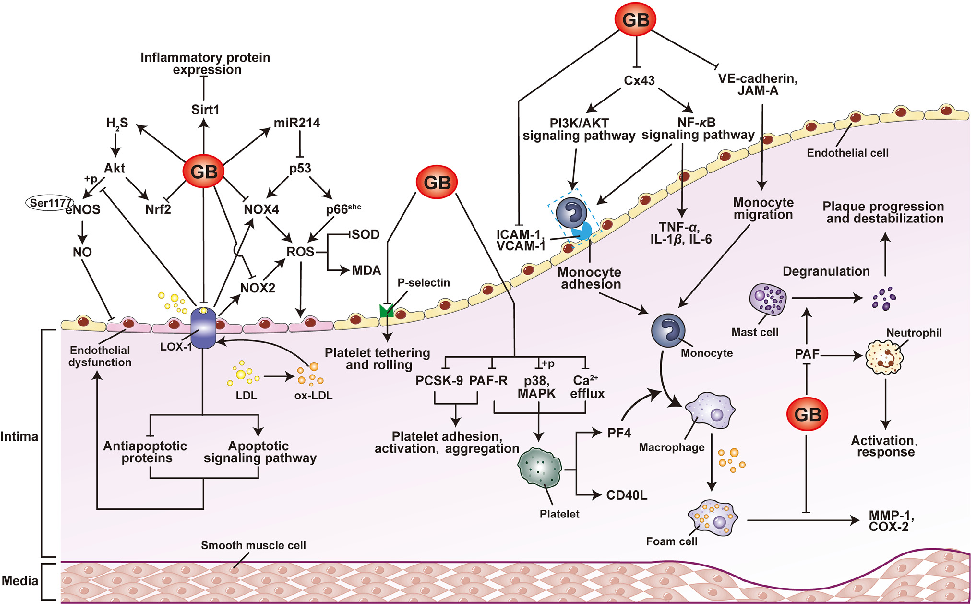
Figure 4 Diagram of the mechanism of GB on independent risk factors for atherosclerosis. Trimethylamine N-oxide (TMAO) levels in the blood can be utilized as a predictor of early atherosclerosis. …
[Not Available].
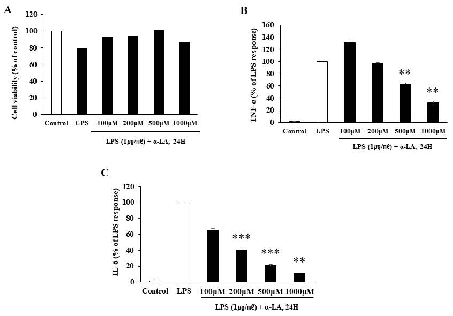
Effects of α-lipoic acid on LPS-induced neuroinflammation and NLRP3 inflammasome activation through …
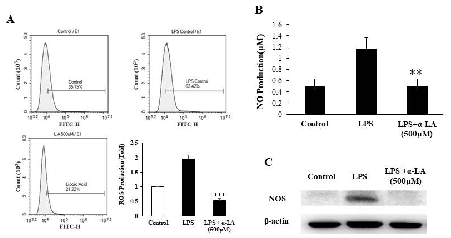
Effects of α-lipoic acid on LPS-induced neuroinflammation and NLRP3 inflammasome activation through …
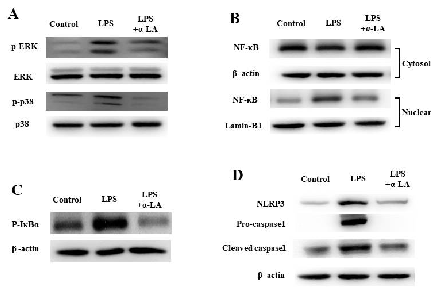
Effects of α-lipoic acid on LPS-induced neuroinflammation and NLRP3 inflammasome activation through …
Seite 4 von 16