Omega-3 Fatty Acids (DHA/EPA) Figuras
49 figuras de pesquisa revisada por pares
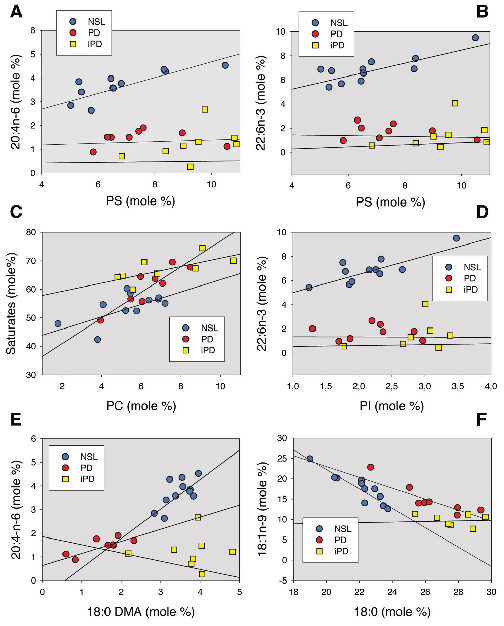
Lipid composition analyses comparing raft and non-raft fractions between control and Parkinson's disease frontal cortex samples show significant alterations in cholesterol and sphingolipid content.
Severe alterations in lipid composition of frontal cortex lipid rafts from Parkinson's …
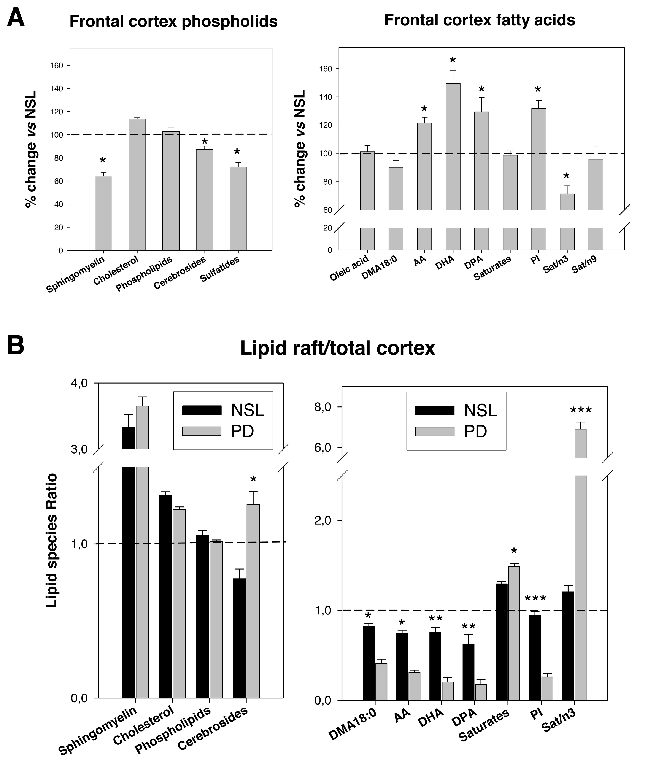
Comparative analyses of main lipid classes and fatty acid content between control and PD frontal cortex gray matter reveal disease-associated shifts in polyunsaturated fatty acid profiles and raft lipid indices.
Severe alterations in lipid composition of frontal cortex lipid rafts from Parkinson's …
![Figure 5. Expected global nutraceutical market by 2025 with China, India, Tibet and Nepal as global leaders for production and extraction of cordycepin [144].](https://pdfs.citedhealth.com/figures/32545666/223.png)
Global demand for Cordyceps-based nutraceuticals is concentrated in China, India, Tibet, and Nepal. This figure projects the expected nutraceutical market growth, with these regions positioned as global leaders in cordycepin production and extraction.
Cordycepin for Health and Wellbeing: A Potent Bioactive Metabolite of an Entomopathogenic …
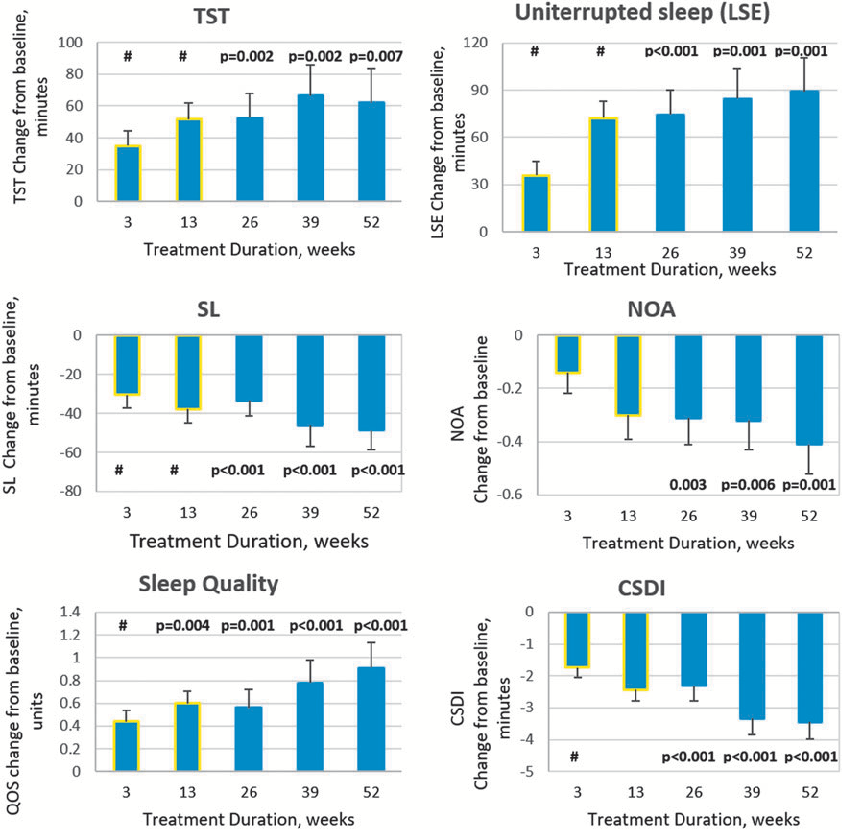
Efficacy outcomes showing changes in sleep parameters over the extended treatment period with pediatric prolonged-release melatonin in children with ASD. Long-term data indicate sustained improvements in sleep onset latency and total sleep time.
Long-Term Efficacy and Safety of Pediatric Prolonged-Release Melatonin for Insomnia in Children …
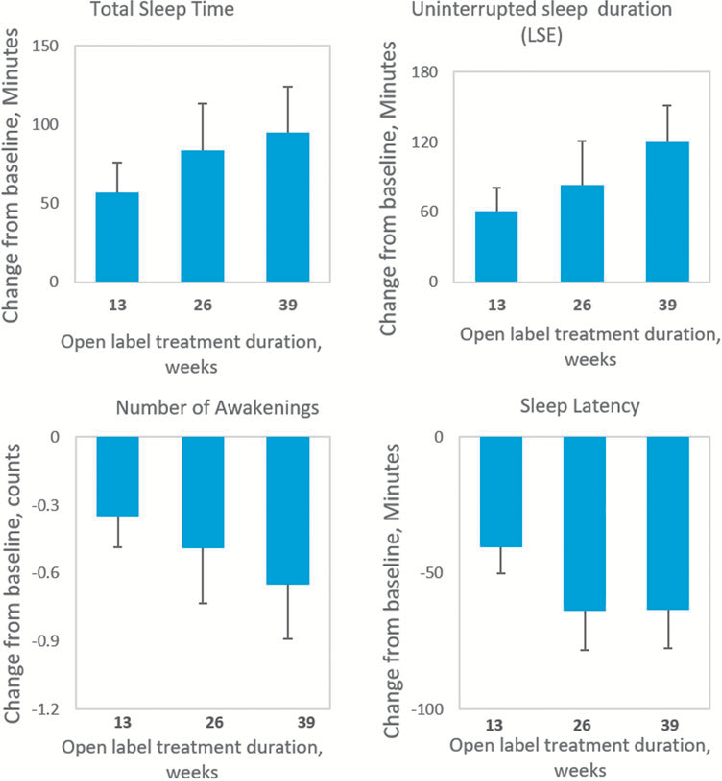
Safety assessment data from the open-label extension of PedPRM treatment in pediatric patients with autism spectrum disorder. Adverse event profiles suggest the prolonged-release melatonin formulation maintained an acceptable safety profile over the extended study period.
Long-Term Efficacy and Safety of Pediatric Prolonged-Release Melatonin for Insomnia in Children …
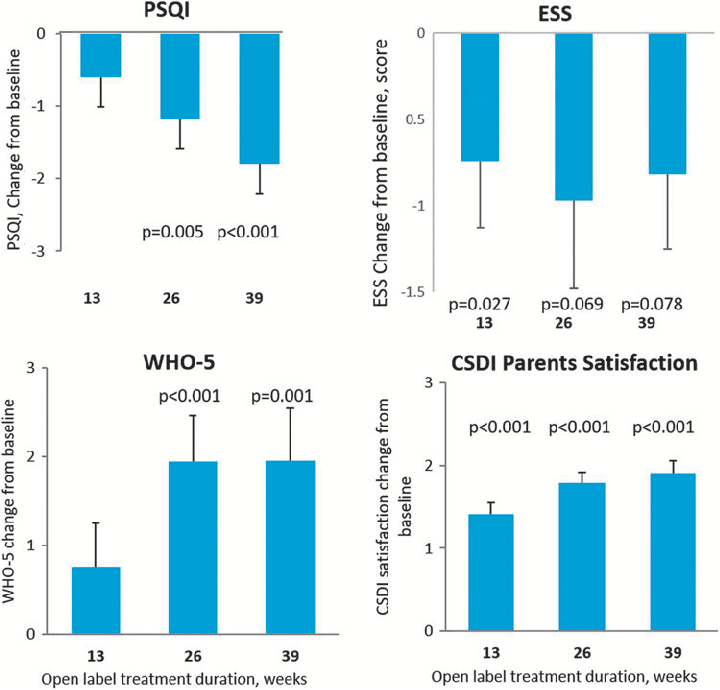
Summary of sleep quality measures or caregiver-reported outcomes during long-term PedPRM administration in children with ASD and comorbid insomnia. Results suggest continued therapeutic benefit with nightly melatonin use.
Long-Term Efficacy and Safety of Pediatric Prolonged-Release Melatonin for Insomnia in Children …
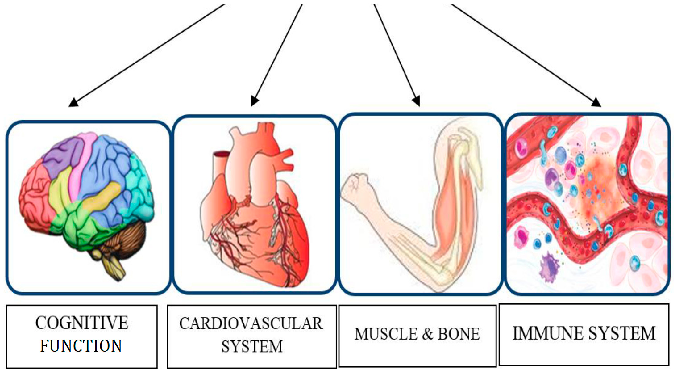
Evidence supporting omega-3 fatty acid supplementation in elderly populations is summarized, highlighting the role of DHA and EPA in maintaining cognitive function and reducing age-related inflammatory processes.
The role for dietary omega-3 fatty acids supplementation in older adults.
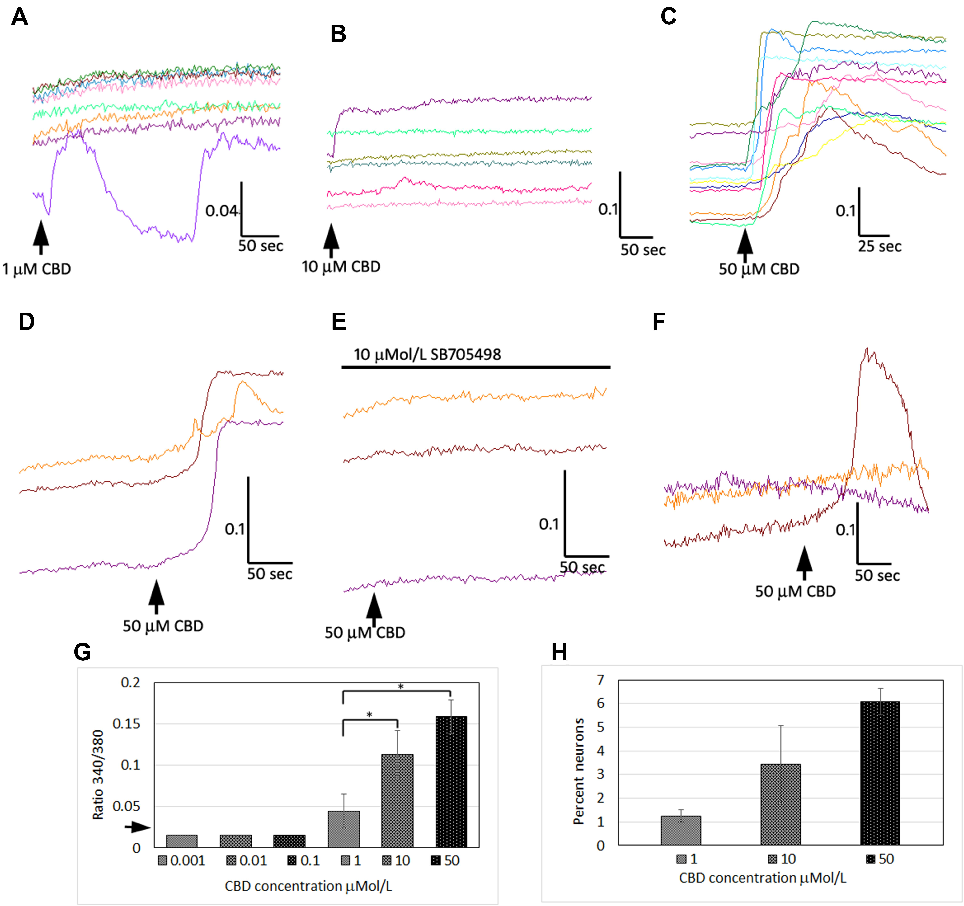
Calcium imaging or electrophysiological recordings from cultured DRG neurons demonstrating CBD's dose-dependent effects on TRPV1-mediated capsaicin responses and downstream signaling pathways.
CBD Effects on TRPV1 Signaling Pathways in Cultured DRG Neurons.
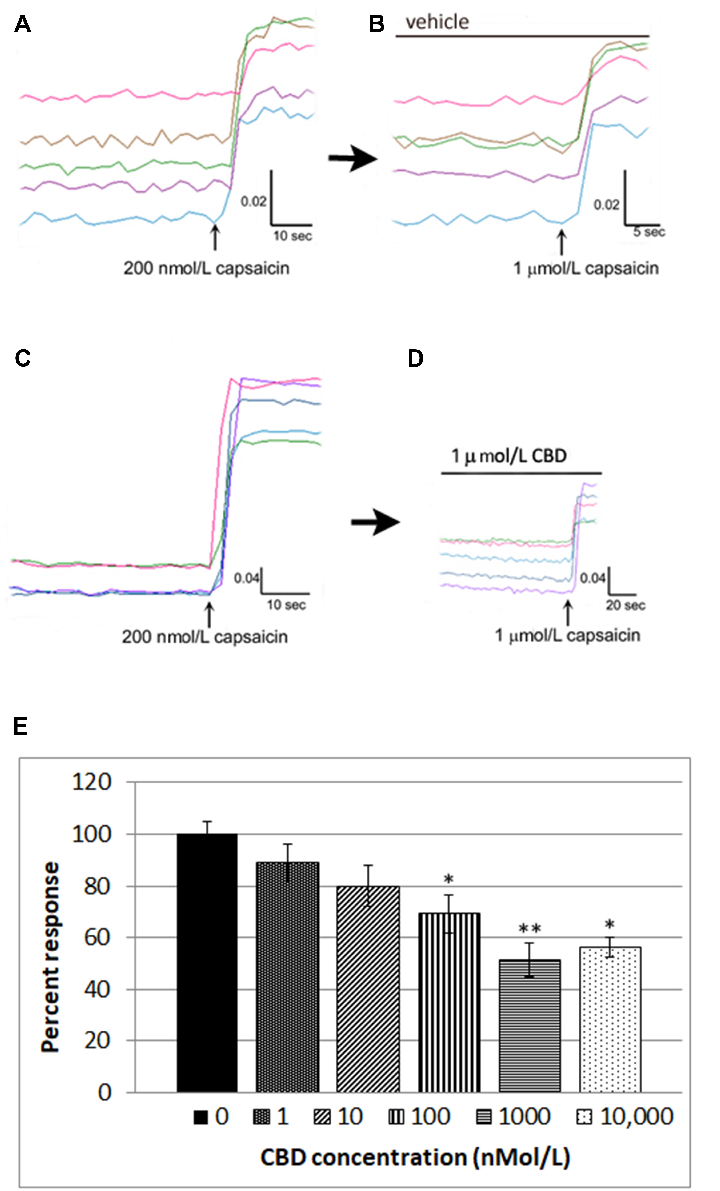
Calcium imaging or electrophysiological recordings from cultured DRG neurons demonstrating CBD's dose-dependent effects on TRPV1-mediated capsaicin responses and downstream signaling pathways.
CBD Effects on TRPV1 Signaling Pathways in Cultured DRG Neurons.
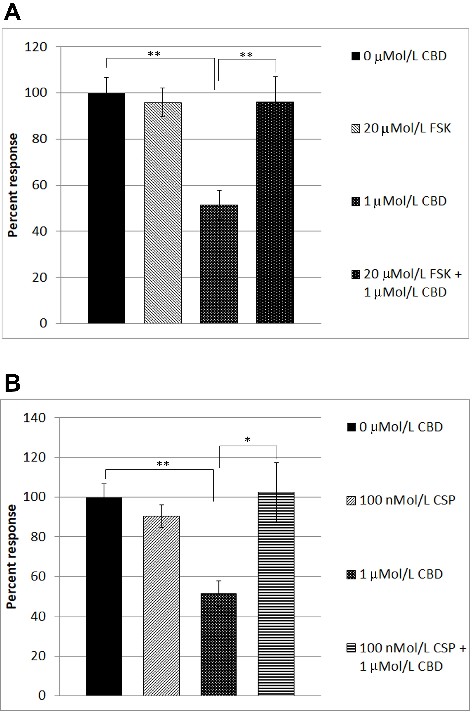
CBD-mediated TRPV1 desensitization was reversed by forskolin (cAMP pathway activator) and cyclosporin (calcineurin inhibitor), indicating that cannabidiol's analgesic mechanism involves phosphatase-dependent receptor desensitization in DRG neurons.
CBD Effects on TRPV1 Signaling Pathways in Cultured DRG Neurons.
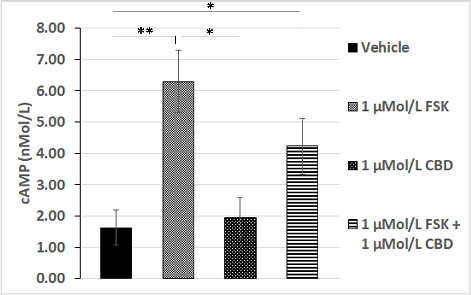
Forskolin-stimulated cAMP levels were significantly inhibited by CBD co-treatment in DRG neurons, suggesting cannabidiol modulates the cAMP-PKA signaling axis downstream of TRPV1 activation.
CBD Effects on TRPV1 Signaling Pathways in Cultured DRG Neurons.
Gut microbiota composition analyzed by 16S rRNA sequencing reveals distinct community structures across treatment groups, with the combination therapy restoring microbial diversity.
The combination of berberine and evodiamine ameliorates high-fat diet-induced non-alcoholic fatty liver …
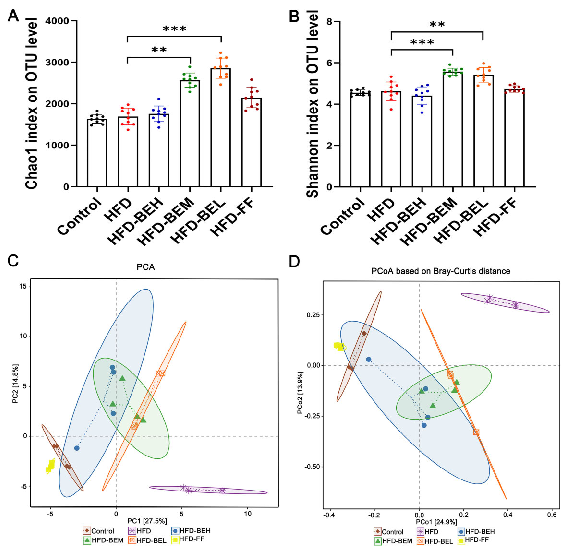
Alpha diversity indices of gut microbiota are compared across groups, indicating that berberine and evodiamine co-administration partially reverses high-fat diet-induced dysbiosis.
The combination of berberine and evodiamine ameliorates high-fat diet-induced non-alcoholic fatty liver …
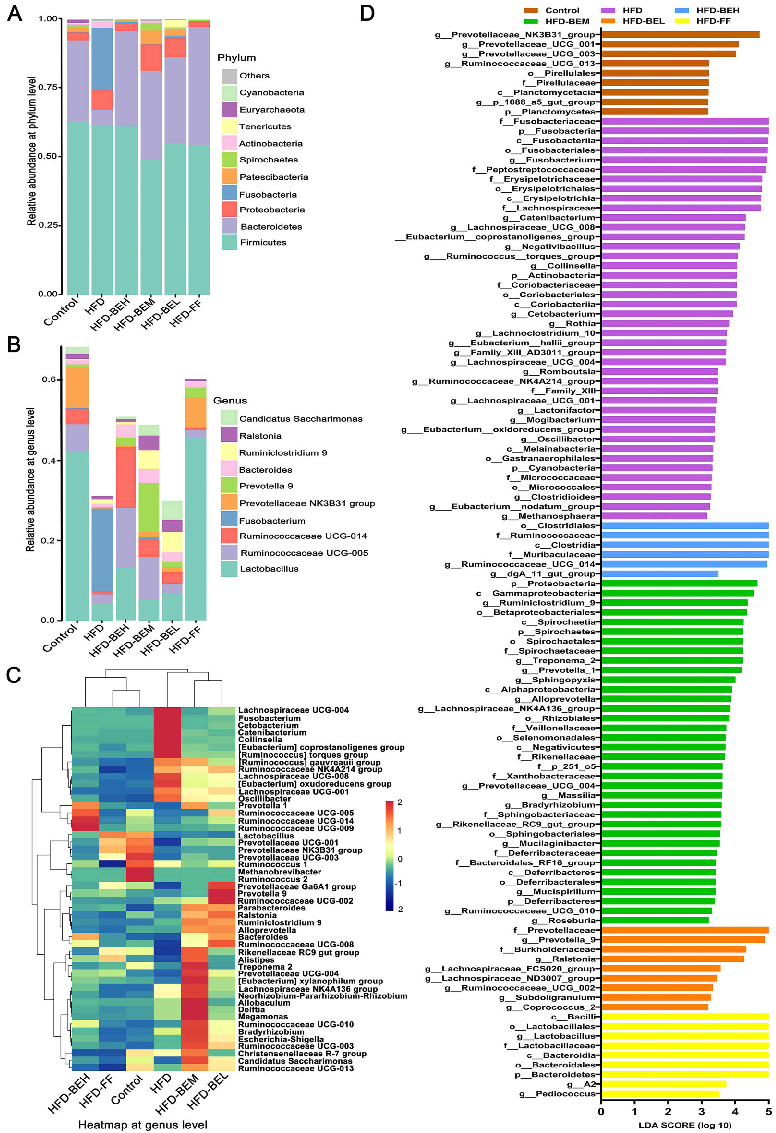
Key bacterial taxa differentially abundant between treatment groups are identified, with specific genera associated with improved metabolic outcomes in the combination therapy arm.
The combination of berberine and evodiamine ameliorates high-fat diet-induced non-alcoholic fatty liver …
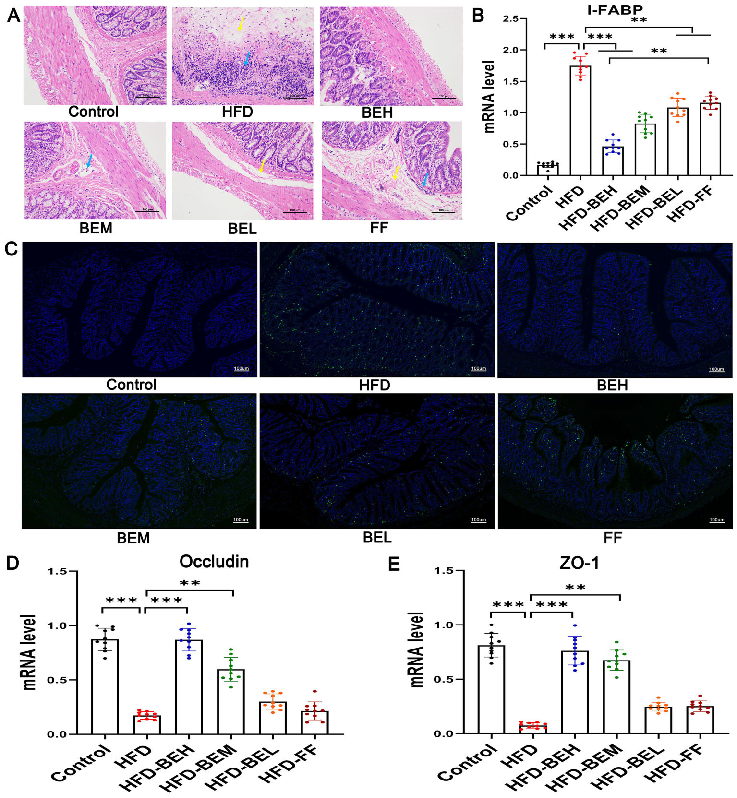
Short-chain fatty acid concentrations in fecal samples reflect changes in microbial metabolic activity following berberine and evodiamine treatment.
The combination of berberine and evodiamine ameliorates high-fat diet-induced non-alcoholic fatty liver …
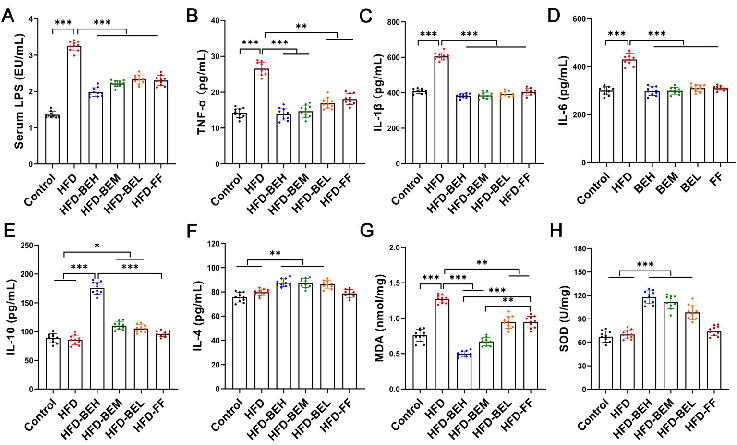
Correlation analysis between gut microbiota composition and hepatic lipid parameters links specific bacterial taxa to the amelioration of non-alcoholic fatty liver disease.
The combination of berberine and evodiamine ameliorates high-fat diet-induced non-alcoholic fatty liver …
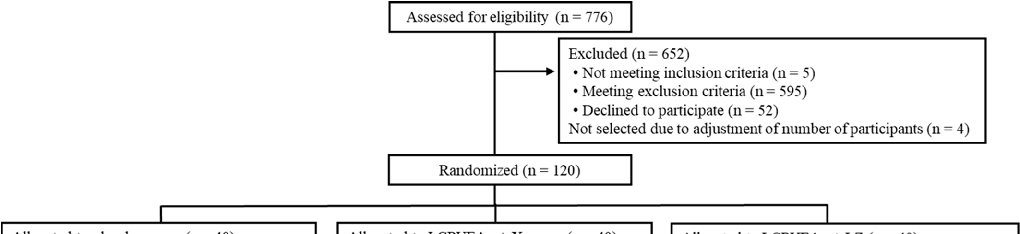
Blood levels of DHA, EPA, and arachidonic acid are tracked over the intervention period, confirming adherence and bioavailability of the fatty acid supplement.
Effects of Long-Chain Polyunsaturated Fatty Acids in Combination with Lutein and Zeaxanthin …
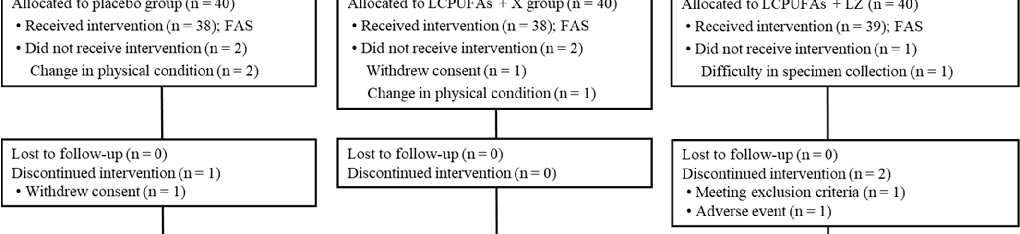
Plasma lutein and zeaxanthin concentrations are compared between treatment and control groups, demonstrating successful supplementation and absorption.
Effects of Long-Chain Polyunsaturated Fatty Acids in Combination with Lutein and Zeaxanthin …
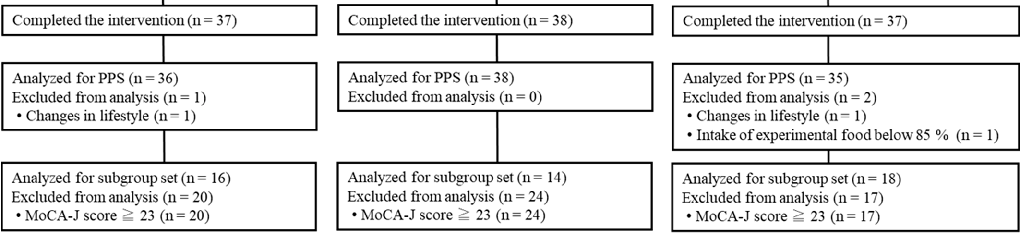
Macular pigment optical density measurements assess the accumulation of lutein and zeaxanthin in the retina following supplementation.
Effects of Long-Chain Polyunsaturated Fatty Acids in Combination with Lutein and Zeaxanthin …

Verbal memory test performance including word recall and recognition tasks is compared between supplementation and placebo groups.
Effects of Long-Chain Polyunsaturated Fatty Acids in Combination with Lutein and Zeaxanthin …

Visual memory and spatial recall scores are assessed following LCPUFA and lutein/zeaxanthin supplementation compared to placebo.
Effects of Long-Chain Polyunsaturated Fatty Acids in Combination with Lutein and Zeaxanthin …

Working memory and executive function task results are presented for both treatment arms, assessing broader cognitive effects of the combined supplementation.
Effects of Long-Chain Polyunsaturated Fatty Acids in Combination with Lutein and Zeaxanthin …

Processing speed assessments compare reaction time and cognitive throughput between the supplemented and placebo groups.
Effects of Long-Chain Polyunsaturated Fatty Acids in Combination with Lutein and Zeaxanthin …

Subgroup analyses stratify cognitive outcomes by baseline DHA status, revealing whether individuals with lower initial omega-3 levels benefit more from supplementation.
Effects of Long-Chain Polyunsaturated Fatty Acids in Combination with Lutein and Zeaxanthin …
Página 1 de 3