Vitamin E Figures
4 figures from peer-reviewed research
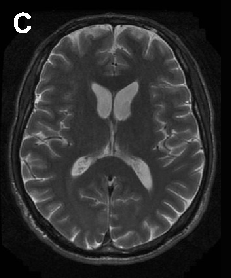
Neuroacanthocytosis encompasses multiple genetic subtypes with overlapping clinical features. This figure provides additional clinical, pathological, or molecular data supporting the differential diagnosis of these rare movement disorders.
Neuroacanthocytosis syndromes.
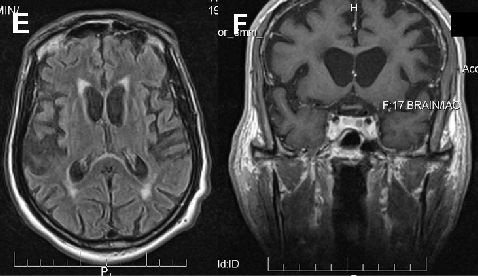
Neuroacanthocytosis encompasses multiple genetic subtypes with overlapping clinical features. This figure provides additional clinical, pathological, or molecular data supporting the differential diagnosis of these rare movement disorders.
Neuroacanthocytosis syndromes.
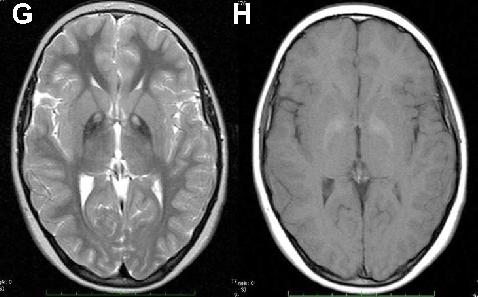
Neuroacanthocytosis encompasses multiple genetic subtypes with overlapping clinical features. This figure provides additional clinical, pathological, or molecular data supporting the differential diagnosis of these rare movement disorders.
Neuroacanthocytosis syndromes.
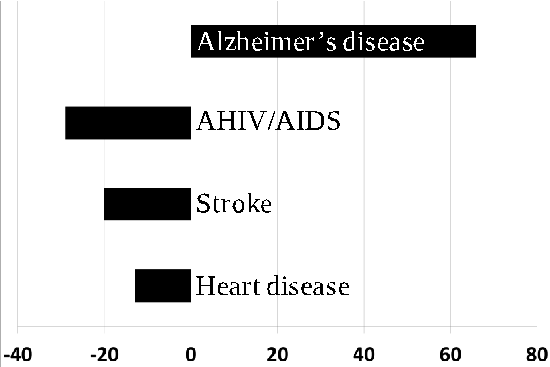
Mechanisms by which vitamin E may protect against cognitive decline during aging and in Alzheimer's disease are illustrated. As the brain is highly susceptible to oxidative stress, vitamin E's antioxidant properties are hypothesized to reduce free radical-mediated neuronal damage associated with neurodegeneration.
Effects of vitamin E on cognitive performance during ageing and in Alzheimer's …