Исследовательский процесс
368 иллюстрации из рецензируемых исследований
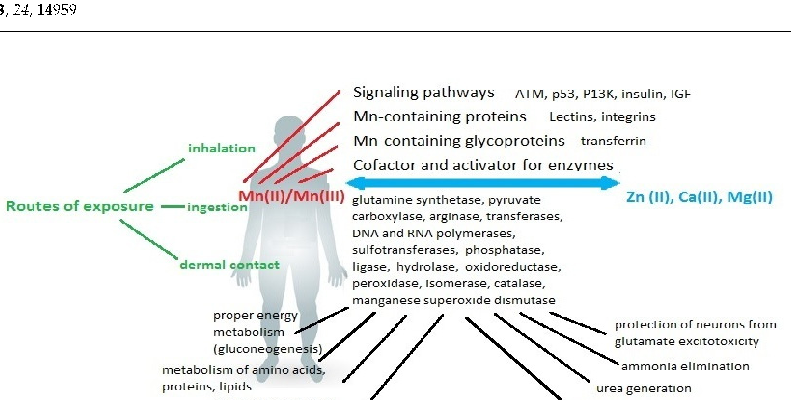
Neurological consequences of chronic manganese exposure are summarized, including cognitive impairment, motor dysfunction, and emotional disturbances. The symptoms collectively termed manganism share clinical features with Parkinson's disease.
Consequences of Disturbing Manganese Homeostasis.
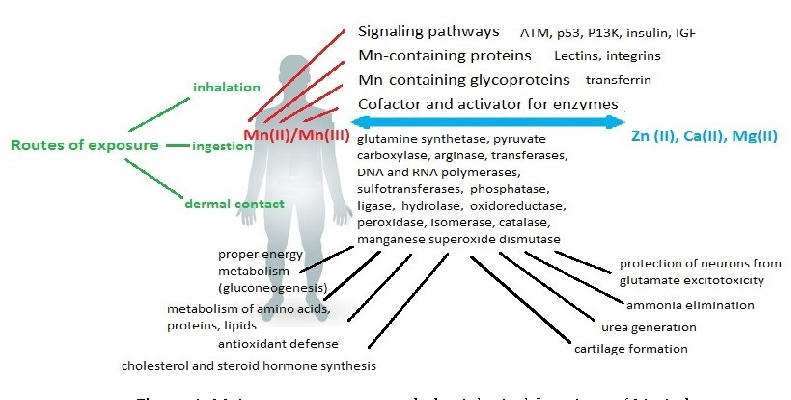
Manganese's dual role as both essential nutrient and potential toxin is explored through its effects on enzymatic systems. Superoxide dismutase, arginase, and glutamine synthetase all require manganese as a cofactor for normal function.
Consequences of Disturbing Manganese Homeostasis.
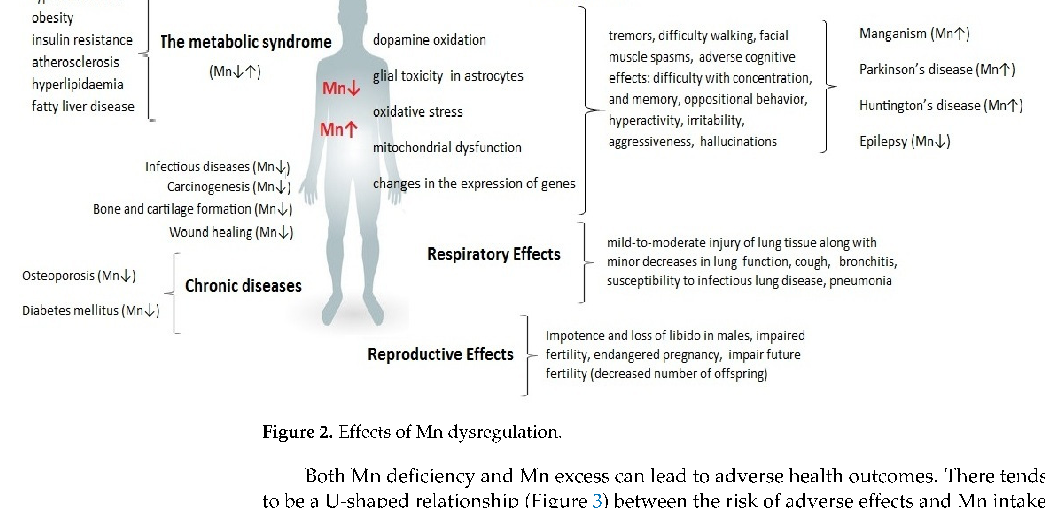
A comprehensive diagram maps the systemic effects of manganese dysregulation across multiple organ systems. Both deficiency and excess disrupt metabolic processes, with the nervous system being particularly vulnerable to manganese imbalance.
Consequences of Disturbing Manganese Homeostasis.
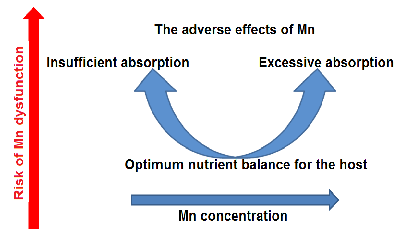
The U-shaped dose-response curve for manganese illustrates that both deficiency and excess are associated with adverse health outcomes. An optimal range exists where manganese fulfills its essential cofactor roles without triggering neurotoxic or systemic damage.
Consequences of Disturbing Manganese Homeostasis.
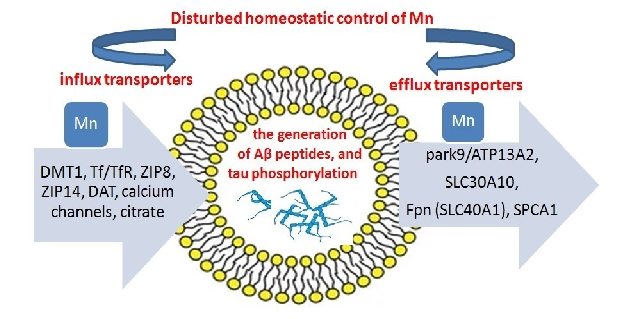
A model of manganese transport imbalance depicts the interplay between uptake, distribution, and excretion mechanisms. Disruption of transporters such as SLC30A10 and SLC39A14 can lead to pathological manganese accumulation in target tissues.
Consequences of Disturbing Manganese Homeostasis.
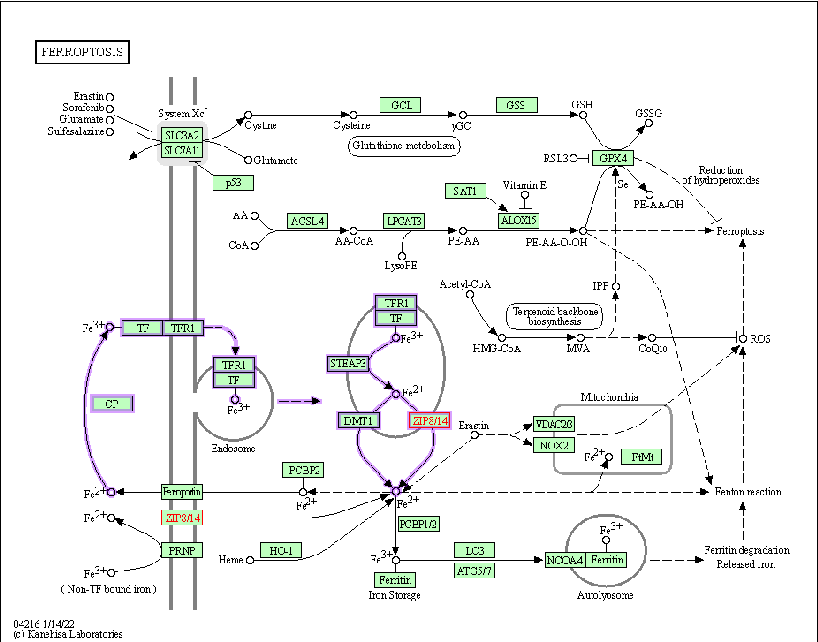
Supplementary or concluding data on manganese homeostasis consequences are presented. The review emphasizes that maintaining manganese within a narrow physiological range is critical for preventing both deficiency-related enzyme dysfunction and toxicity-related neurodegeneration.
Consequences of Disturbing Manganese Homeostasis.
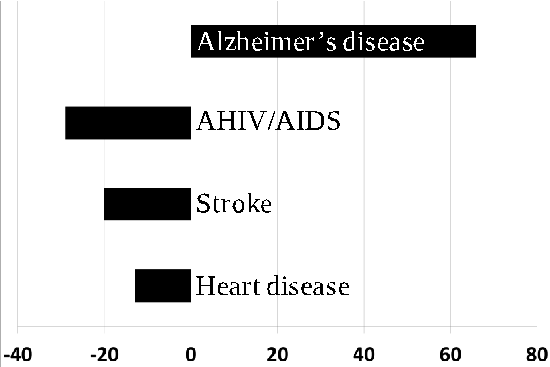
Mechanisms by which vitamin E may protect against cognitive decline during aging and in Alzheimer's disease are illustrated. As the brain is highly susceptible to oxidative stress, vitamin E's antioxidant properties are hypothesized to reduce free radical-mediated neuronal damage associated with neurodegeneration.
Effects of vitamin E on cognitive performance during ageing and in Alzheimer's …
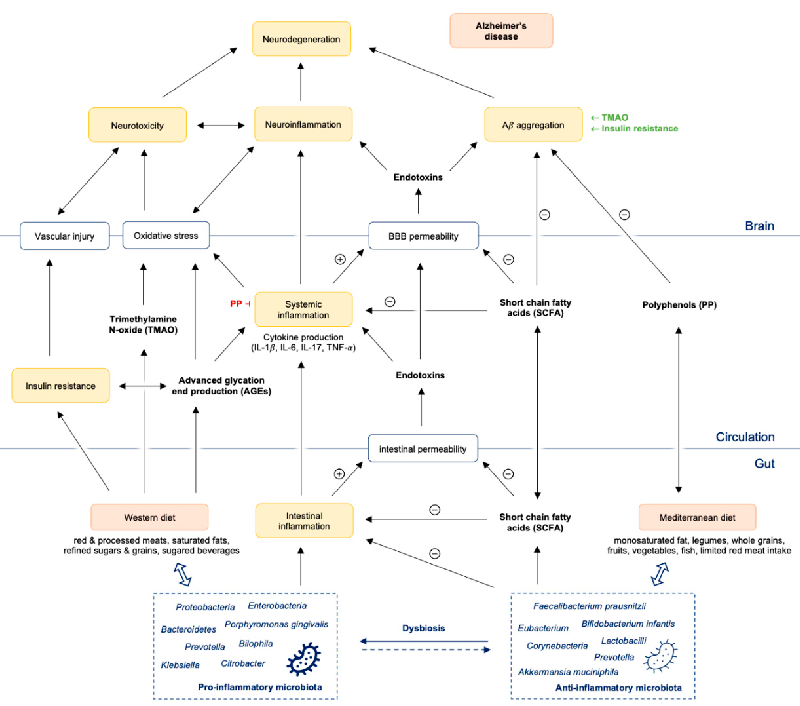
A pathway diagram illustrates how gut dysbiosis promotes intestinal and systemic inflammation, leading to amyloid-beta aggregation, neuroinflammation, and ultimately neurodegeneration in Alzheimer's disease. The cascade connects microbial imbalance to blood-brain barrier compromise and central nervous system pathology.
The Immunopathogenesis of Alzheimer's Disease Is Related to the Composition of Gut …
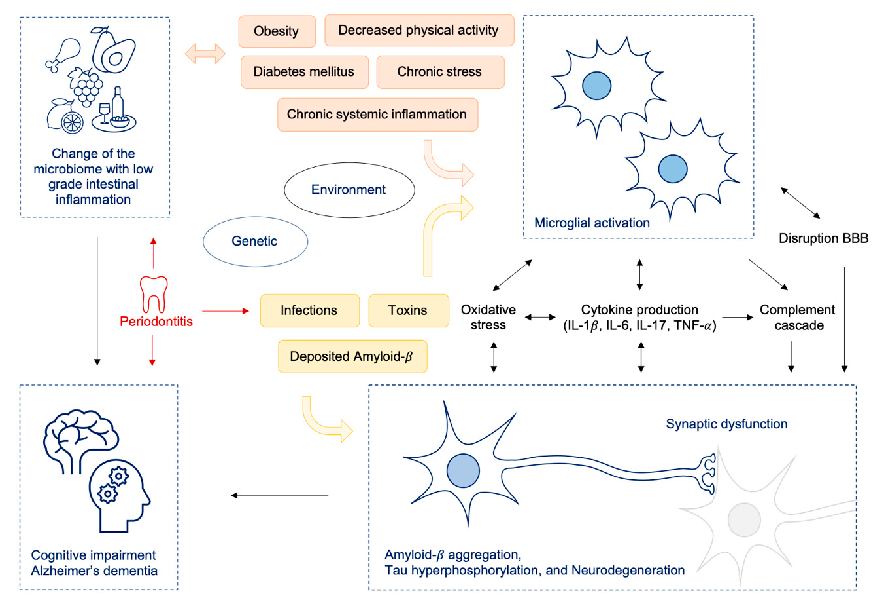
Western diet-induced microbiome changes are mapped to intestinal dysbiosis, low-grade gut inflammation, and increased permeability of both the intestinal barrier and blood-brain barrier. The resulting systemic inflammatory state is linked to neuroinflammatory processes implicated in Alzheimer's disease progression.
The Immunopathogenesis of Alzheimer's Disease Is Related to the Composition of Gut …
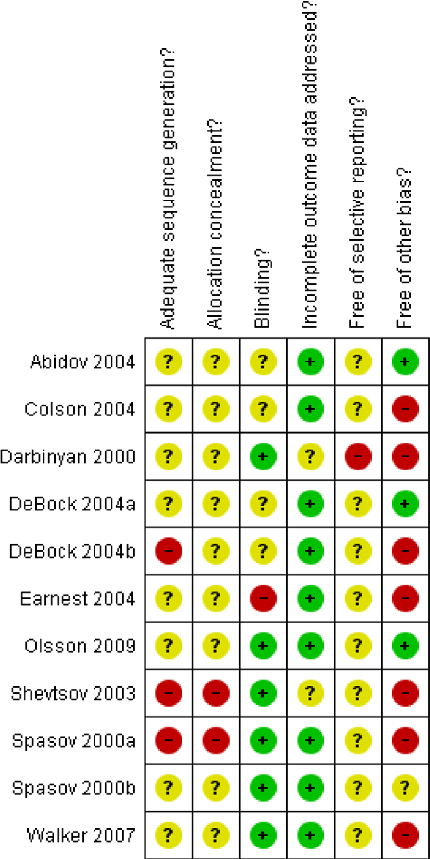
Evidence from clinical studies evaluating Rhodiola rosea extract for the management of physical and mental fatigue is summarized, showing outcomes across multiple trials included in this systematic review.
Rhodiola rosea for physical and mental fatigue: a systematic review.
![Figure 1. One-carbon metabolism. Abbreviations: PLP, plasma pyridoxal phosphate; MTHFR, methylenetetrahydrofolate reductase; FAD, flavin adenine dinucleotide; FMN, flavin mononucleotide. Adapted from [16].](https://pdfs.citedhealth.com/figures/27854316/97.png)
One-carbon metabolism pathways involving folate, vitamin B12, and vitamin B6 are mapped, showing key enzymatic reactions catalyzed by MTHFR and the roles of FAD and FMN as cofactors in homocysteine recycling.
Causes, Consequences and Public Health Implications of Low B-Vitamin Status in Ageing.
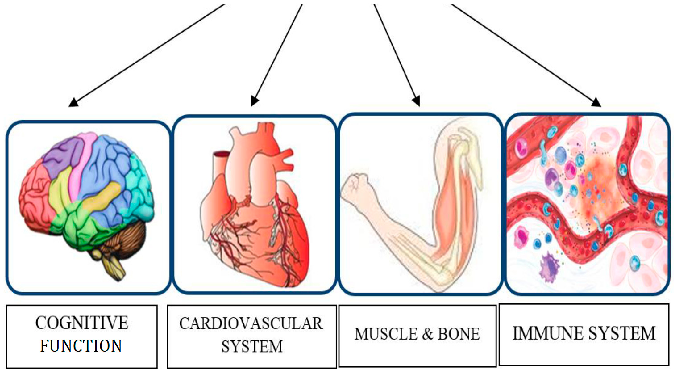
Target organs and physiological functions modulated by omega-3 polyunsaturated fatty acids in older adults are mapped, illustrating the widespread systemic benefits of EPA and DHA supplementation across cardiovascular, neurological, and musculoskeletal systems.
The role for dietary omega-3 fatty acids supplementation in older adults.
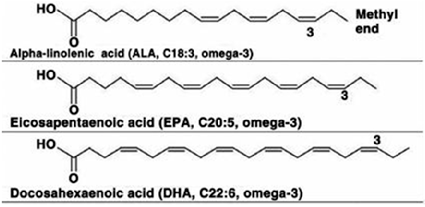
Evidence supporting omega-3 fatty acid supplementation in elderly populations is summarized, highlighting the role of DHA and EPA in maintaining cognitive function and reducing age-related inflammatory processes.
The role for dietary omega-3 fatty acids supplementation in older adults.
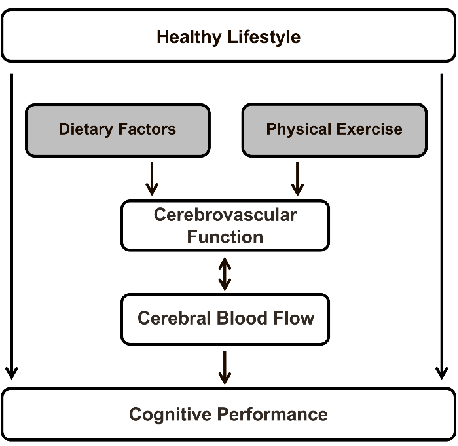
A schematic overview maps the relationships between dietary factors — including nitrate, polyphenols, fatty acids, and caffeine — and their effects on cerebral blood flow, integrating evidence from neuroimaging studies.
Cerebral Blood Flow Measurements in Adults: A Review on the Effects of …
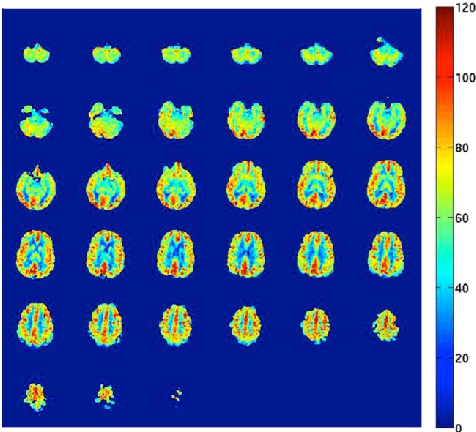
An arterial spin labeling cerebral blood flow map displays regional perfusion in units of milliliters per 100 grams of brain tissue per minute, illustrating the spatial distribution of blood flow across cortical regions.
Cerebral Blood Flow Measurements in Adults: A Review on the Effects of …
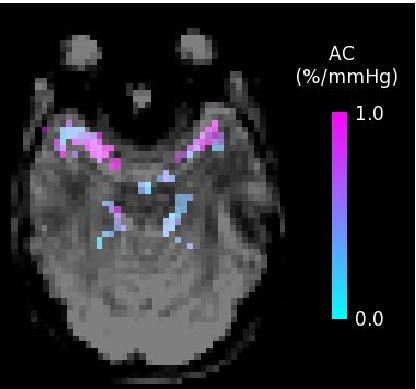
An arterial compliance map shows the percentage change in arterial blood volume per millimeter of mercury, obtained using short inversion time arterial spin labeling to assess cerebrovascular reactivity.
Cerebral Blood Flow Measurements in Adults: A Review on the Effects of …
Bacopa monnieri's anti-amyloid and anti-tau activities in experimental models are quantified, suggesting potential disease-modifying effects beyond symptomatic cognitive improvement.
Bacopa monnieri, a Neuroprotective Lead in Alzheimer Disease: A Review on Its …
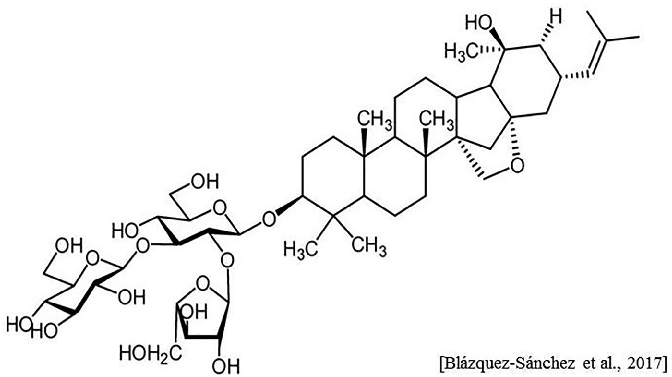
Pharmacokinetic profiles of bacoside absorption and brain distribution are plotted, informing optimal dosing strategies for Bacopa monnieri supplementation in neurodegenerative conditions.
Bacopa monnieri, a Neuroprotective Lead in Alzheimer Disease: A Review on Its …
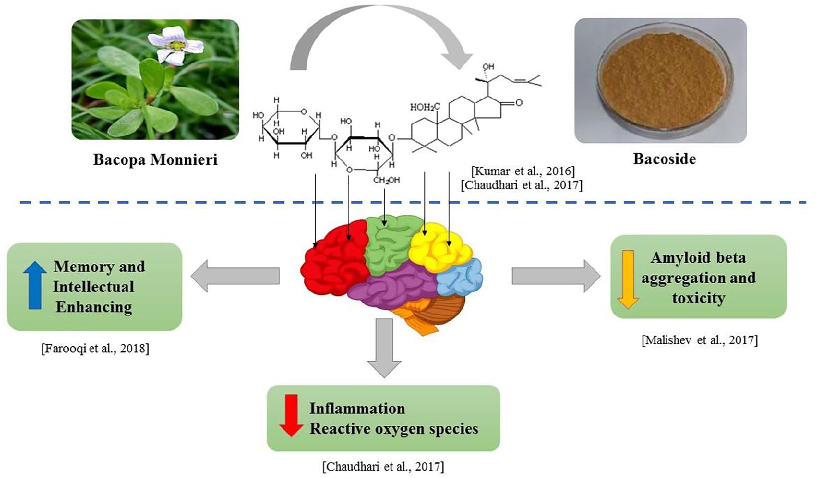
Neuroprotective mechanisms of Bacopa monnieri extract are diagrammed, showing how bacosides modulate cholinergic, serotonergic, and antioxidant pathways relevant to Alzheimer's disease.
Bacopa monnieri, a Neuroprotective Lead in Alzheimer Disease: A Review on Its …
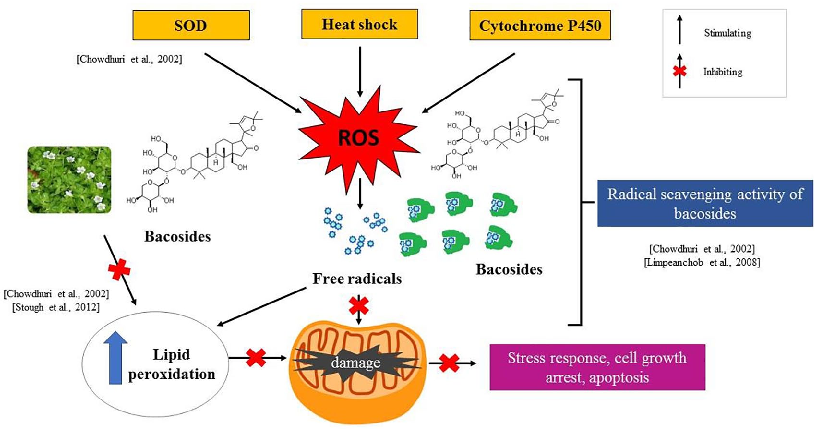
Chemical structures of key bioactive bacosides isolated from Bacopa monnieri are presented, identifying the saponin compounds responsible for the plant's cognitive-enhancing properties.
Bacopa monnieri, a Neuroprotective Lead in Alzheimer Disease: A Review on Its …
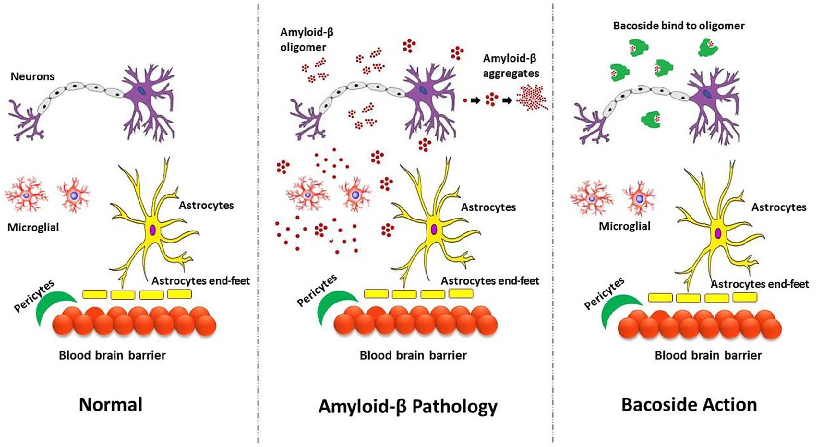
Preclinical evidence for Bacopa monnieri's effects on memory and learning is summarized across animal models, showing improvements in spatial navigation and passive avoidance tasks.
Bacopa monnieri, a Neuroprotective Lead in Alzheimer Disease: A Review on Its …
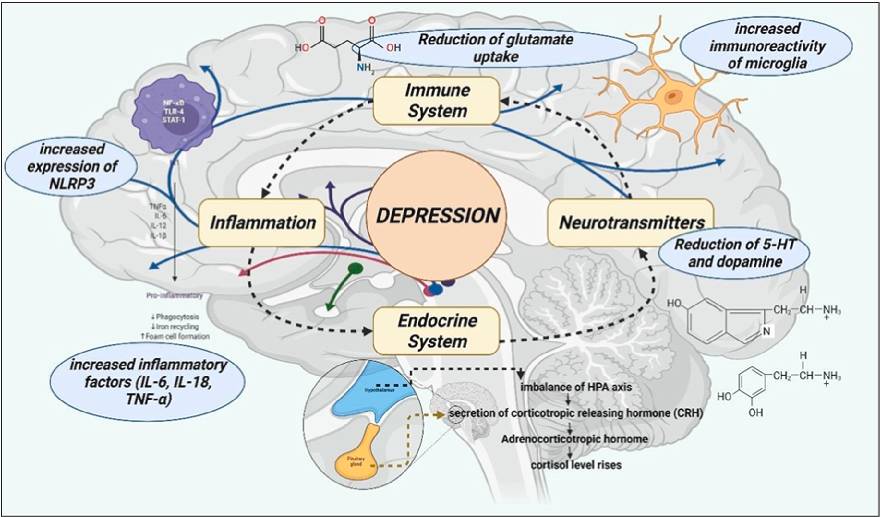
Brain insulin resistance mechanisms underlying depression are depicted, showing how HPA axis dysregulation, reduced anterior cingulate cortex volume, and impaired hippocampal function contribute to the condition.
A review on linking stress, depression, and insulin resistance via low-grade chronic …
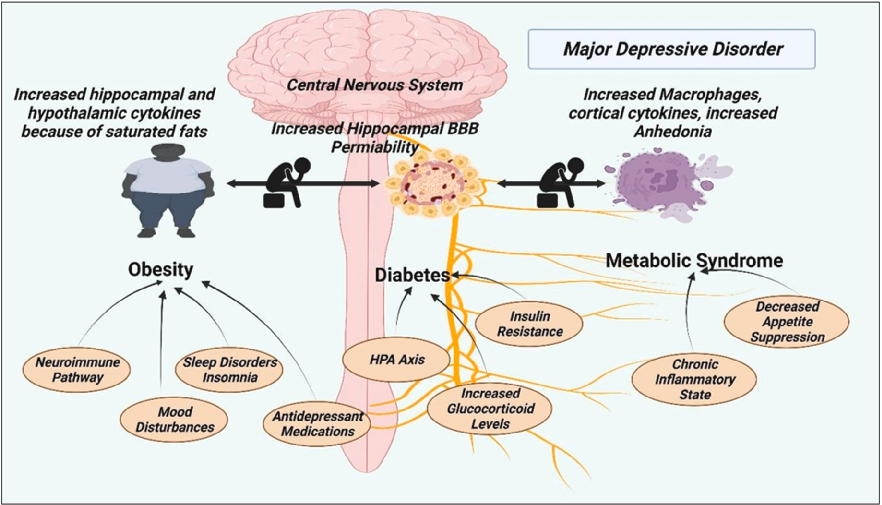
Obesity, diabetes, and metabolic syndrome are illustrated as metabolic diseases that commonly coexist with depression, highlighting their shared pathophysiological mechanisms through chronic low-grade inflammation.
A review on linking stress, depression, and insulin resistance via low-grade chronic …
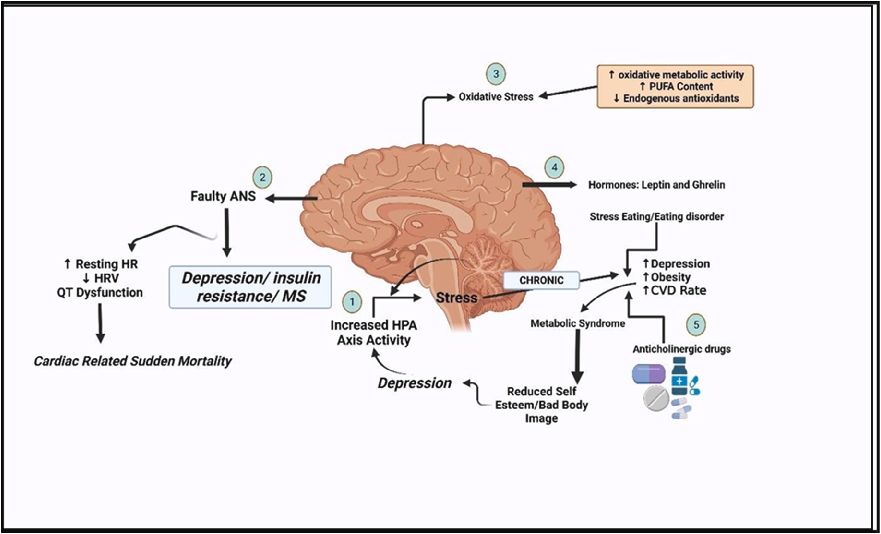
Molecular pathways connecting stress-induced inflammation to insulin resistance are detailed, tracing how inflammatory signaling cascades impair insulin receptor substrate phosphorylation.
A review on linking stress, depression, and insulin resistance via low-grade chronic …
Страница 3 из 16